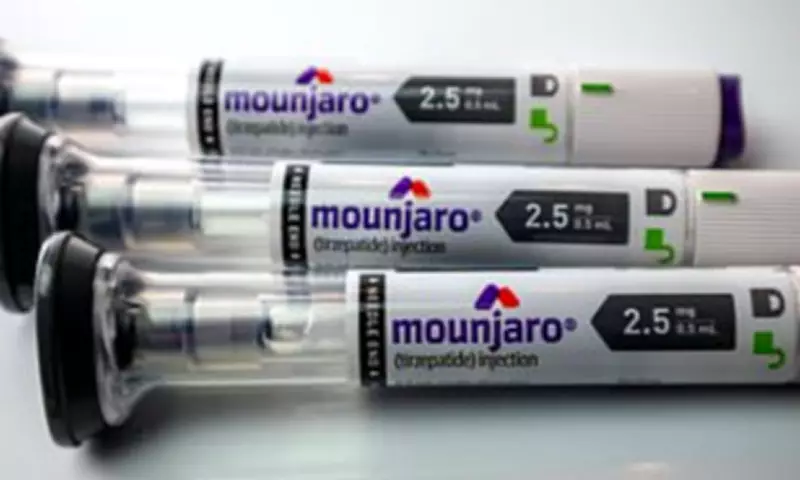
Two Northern Ireland Deaths Potentially Linked to NHS Weight Loss Injections
The deaths of two individuals from Northern Ireland have been potentially connected to weight loss injections that are approved for use on the NHS. These two tragic cases form part of a broader collection of more than 500 suspected adverse drug reactions that have been formally reported to the Medicines and Healthcare products Regulatory Agency (MHRA) in relation to GLP-1 medications.
Details of the Fatal Cases
In the two fatal instances, official reports indicate that one person had taken Mounjaro, often referred to as the 'King Kong' of fat-busting injections. The other adverse reaction was linked to an unidentified semaglutide medication. It is important to note that Wegovy, Ozempic, and Rybelsus, the latter approved for treating type 2 diabetes, all contain semaglutide. This compound mimics hormones that are naturally released in the body in response to eating.
The MHRA has provided a crucial clarification regarding these reports. A spokesperson stated that a report of a suspected adverse reaction 'does not necessarily mean it has been caused by the medicine, only that the reporter had a suspicion it may have.' The agency further added: 'Underlying or concurrent illnesses may be responsible, or the events could be purely coincidental.'

Demographics and Regulatory Warnings
The submitted reports reveal that the deceased were a man and a woman, one in their 60s and the other in their 40s. The MHRA does not currently hold information on whether the medication associated with these reported deaths was obtained via an NHS prescription, purchased from a legitimate pharmacy, or sourced from an illegitimate supplier.
Earlier this year, the MHRA issued a specific warning about the risk of developing severe inflammation of the pancreas, known as pancreatitis, which can be fatal. This condition is often linked to gallstones, a recognised common side effect of these injections. In response, the drug watchdog has updated the official product information for GLP-1 medications to highlight the 'small risk of severe acute pancreatitis'.
The primary symptom of pancreatitis is severe abdominal pain that radiates to the back and does not subside. Anyone experiencing such symptoms is strongly advised to seek immediate medical assistance.
Reporting and Broader Side Effect Concerns
The MHRA is actively urging users who experience any serious adverse side-effects to report these complications to authorities using the regulator's established Yellow Card scheme. This enables the agency to 'act promptly to mitigate any identified risk'. Over the last two years, there have been 511 reports from Northern Ireland alone, with 242 of these classified as serious. UK-wide figures are estimated to be significantly higher, with approximately 2 million people thought to be using these injections, many of whom obtain them through private channels.
Since the drugs were first launched, the MHRA has received more than 1,296 Yellow Card reports specifically concerning pancreatitis associated with these medications. Furthermore, there have been additional adverse reactions and deaths linked to other side-effects following the use of GLP-1 drugs.
Health Officials' Stance and Recent Research
Health officials maintain that while these injections have revolutionised obesity treatment, GLP-1s are not a silver bullet and they do come with a range of potential side-effects. The majority of side effects linked to the jabs are gastrointestinal, including nausea, constipation, and diarrhoea.
Recent research has raised further concerns. Last week, scientists at the University of Cambridge warned that these fat-busting jabs could potentially leave users 'worse off than before' if they regain fat after stopping treatment. Their study found that users typically regain an average of 60 per cent of the weight they lose within a year of ceasing treatment. Experts are concerned that if the regained weight is disproportionately fat, individuals may ultimately face a higher risk of developing conditions like type 2 diabetes and heart disease.

Furthermore, a separate new study has identified twenty individual health problems linked to weight-loss jabs. The range of complaints is broad, spanning from relatively mild episodes like fainting to more serious concerns such as kidney stones and arthritis.