UK Health Security Agency Issues Early Pollen Warning for Hay Fever Sufferers
Households across the United Kingdom are being strongly advised to keep their windows and doors firmly closed during specific daytime hours as meteorological spring commences. Experts from the UK Health Security Agency (UKHSA) have issued a timely alert, emphasising that the peak pollen period between 10am and 3pm poses the highest risk for individuals suffering from hay fever.
Climate Change Accelerating Pollen Season Onset
The traditional hay fever season, which typically runs from late March through September, may begin significantly earlier this year due to the effects of a warming climate. Recent scientific studies indicate that rising temperatures could trigger the release of pollen and other allergens as early as January or February, with extended durations throughout the year.
The UKHSA stated clearly: "Hay fever is already common during the spring and summer months, but our changing climate could see some symptoms starting earlier in the year for allergy sufferers across the UK."

Research further suggests that oak and grass pollen seasons may commence sooner than historical patterns, with warmer conditions leading to increased pollen production overall.
Three Overlapping Pollen Seasons Explained
The United Kingdom experiences three distinct yet overlapping pollen phases annually:
- Tree Pollen Season: Running from March through May
- Grass Pollen Season: Occurring from mid-May until July
- Weed Pollen Season: Taking place approximately from July to September
Pollen levels remain heavily influenced by local weather conditions, with temperature, wind, and humidity all playing crucial roles in distribution and concentration.
Practical Prevention Strategies for Households
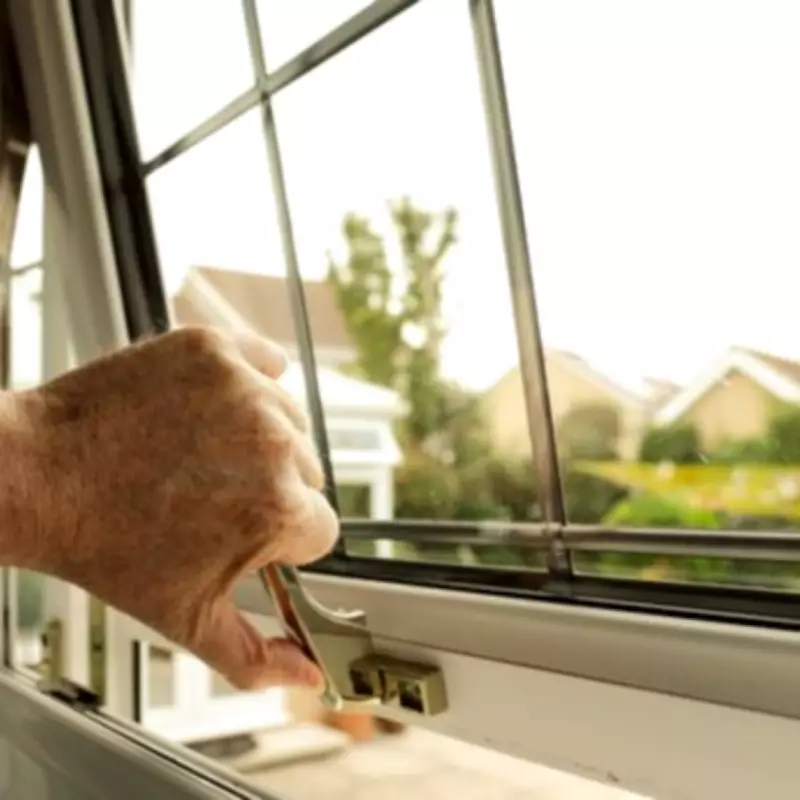
Since no cure currently exists for hay fever, effective management relies primarily on preventative measures. Keeping windows and doors closed represents one of the most straightforward methods to reduce indoor pollen exposure.
Glen Peskett, DIY expert at Saxton Blades, elaborated: "It's important to get fresh air, and when the weather begins to improve, it's even more tempting to open your home up to the warmer elements. However, during peak pollen times - usually between 10 am and 3 pm, and on windy days - it's extremely beneficial to keep your windows and doors shut. This is especially important in bedrooms, where you want to breathe easy at night."
NHS guidance recommends keeping openings closed "as much as possible," but if ventilation is necessary, restricting it to hours outside the peak pollen period can significantly minimise symptom exacerbation.
Geographical Variations in Pollen Exposure
Hay fever onset and severity vary considerably across different UK regions:
- Northern areas typically experience later starts and shorter seasons due to generally lower pollen counts
- Urban locations tend to have reduced pollen levels compared to rural environments
- Inland regions face higher pollen concentrations than coastal areas
Symptoms generally emerge when pollen counts exceed 50 grains per cubic metre of air, with peak exposure typically occurring during early evening hours.
By implementing these practical window-closing strategies during specified high-risk periods, households can create safer indoor environments and substantially reduce hay fever discomfort throughout the extended pollen season.