UK Health Security Agency Launches Investigation into Legionnaires' Disease Cluster
The UK Health Security Agency (UKHSA) has initiated a detailed investigation following an increase in cases of Legionnaires' disease, a serious bacterial infection that can lead to life-threatening pneumonia. The agency is focusing on a cluster of cases specifically linked to north and south west London, examining potential sources and common factors among patients.
Understanding Legionnaires' Disease and Its Transmission
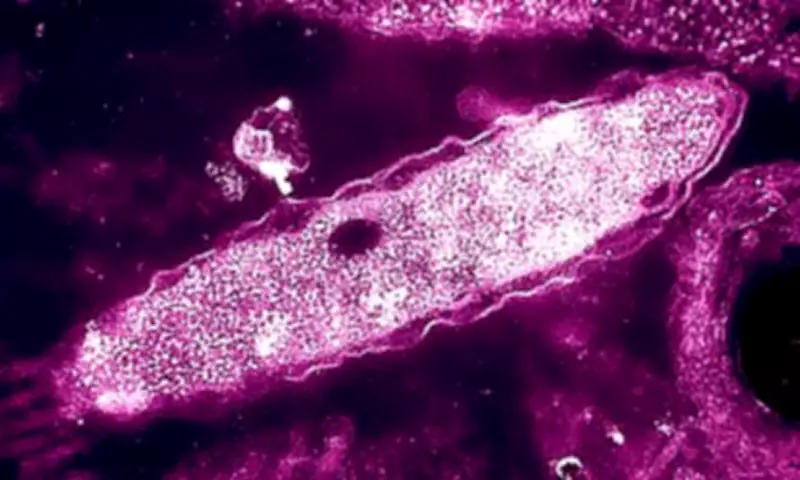
Legionnaires' disease is caused by Legionella bacteria, which thrive in warm, stagnant water environments. These bacteria are commonly found in systems such as shower heads, pipes, water butts, garden hoses, and sprinkler systems. The bacteria grow most effectively in temperatures between 20°C and 45°C, and infection occurs when contaminated water droplets are inhaled deep into the lungs.
Symptoms typically manifest within a few days and include breathlessness, severe chest pain, and a high temperature. The infection can progress to a severe form of pneumonia, posing significant health risks, particularly to vulnerable individuals.

Current Investigation and Public Health Response
Health officials are meticulously reviewing each case reported this year, conducting interviews with patients or their families to retrace movements and identify any common links. Dr Janice Lo, consultant in health protection for London at the UKHSA, stated, 'At this stage, a common source has not yet been confirmed, but we are carrying out further investigations with partners which will provide us with more information.'
Investigators are cross-referencing data from patients to pinpoint possible infection sources. Managers of cooling towers and large water systems in the affected areas have been instructed to treat their systems with high doses of chlorine to eliminate any potential contamination.
Risk Factors and Treatment Protocols
While around 300 cases of Legionnaires' disease are reported annually in England and Wales, the overall risk to the wider public remains low due to the disease's rare person-to-person transmission. Most cases occur individually, but outbreaks can arise when a shared water source becomes contaminated.
Patients are typically treated with antibiotics, which may need to be administered for several weeks. Those at highest risk include smokers, older adults, and individuals with weakened immune systems due to conditions like diabetes or cancer. The average fatality rate is approximately one in ten, but this can escalate to as high as 30% among immunocompromised populations.
Preventive Measures and Historical Context
Dr Lo emphasised the importance of proper maintenance: 'Legionella bacteria are widely distributed in the environment and can multiply in large water systems within buildings. It is important that water systems are properly maintained with regular testing and treatment to prevent the bacteria from multiplying and posing a risk to health.'
Experts advise running unused taps and showers briefly before use after long periods of inactivity to prevent water stagnation, which can foster bacterial growth. The disease was first identified in 1976 after an outbreak at a conference in Philadelphia, traced to contaminated water droplets in a hotel air-conditioning system.
Early symptoms often resemble flu, including muscle aches, tiredness, headaches, dry cough, and fever. Anyone experiencing these symptoms is urged to contact NHS 111 or their GP for medical advice. Although relatively rare, Legionnaires' disease continues to occur globally, with bacteria naturally present in freshwater but multiplying in poorly maintained systems.