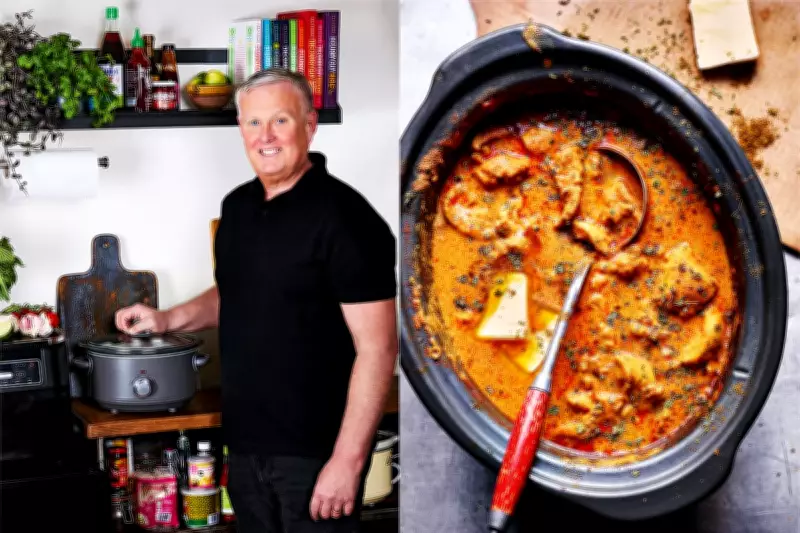
Curry Guy Reveals Secrets for Restaurant-Quality Home Curries
Dan Toombs, widely recognised as the Curry Guy, has dedicated his career to demystifying the art of curry making for home cooks. With the release of his eleventh cookbook, The Curry Guy Slow Cooker, he emphasises that achieving takeaway-level flavour at home is both accessible and affordable. Toombs, who moved from California to Britain in 1993, became enamoured with the UK's vibrant curry scene and has since become a leading authority on recreating those beloved restaurant dishes in domestic kitchens.
Master the Essential Base Sauce
The cornerstone of authentic British curry house cooking, according to Toombs, is the base sauce. "There's a base sauce for pretty much every curry that's made," he explains. This foundational element is akin to a bland stock, typically an onion-based liquid that may include mild vegetables like cabbage or green pepper. Its purpose is to provide a neutral canvas upon which spices can build complex flavours. "The magic happens when it hits the pan," Toombs notes, as different spice combinations transform this simple base into distinct curries. He highlights that this technique is a uniquely British innovation, not commonly practised in India, and mastering it is key to replicating takeaway-style meals.
Embrace Flexibility and Personal Taste
Toombs advises against rigid adherence to recipes, encouraging cooks to trust their palates. "A lot of people concentrate too much on the recipe rather than what they personally enjoy," he states. Whether preferring extra sauce or additional heat, adjustments should be made during cooking. This experimental approach helps individuals learn how different spices interact and develop their own signature dishes. "You'll get the idea behind it, and you can make up your own recipes once you know how to use that base sauce," he adds, promoting a hands-on learning process.

Utilise Slow Cookers for Enhanced Flavour
Slow cookers are championed by Toombs for their ability to produce intensely flavoured curries with minimal effort. "What you get from a slow cooker is a more intense flavour, because you're not trying to rush things," he remarks. This method allows ingredients to meld gradually, resulting in tender meat and rich sauces. It is particularly effective for dishes like lamb nihari, a northern Indian and Pakistani specialty traditionally simmered for hours. Additionally, slow cooking can elevate cheaper cuts of meat, making them succulent and flavourful while reducing costs. "You let it sit there and simmer until it's cooked through and really tender, and you get a better flavoured meat and it's a lot less expensive," Toombs explains.
Prepare Fresh Spice Blends and Pastes
Toombs strongly recommends creating homemade spice blends and pastes to ensure optimal freshness and potency. Pre-ground spices from supermarkets may have diminished flavour over time, whereas toasting whole spices before grinding can significantly enhance their aroma and taste. For pastes, such as those for Rogan Josh or tikka masala, he suggests storing them in airtight jars covered with oil to prolong shelf life. "Spices, once they're ground, start to lose their flavour. But by making these pastes and covering them with oil, you're giving them a longer life," he advises, noting that this upfront effort saves time and money in the long run.
Explore Unique Regional Specialties
While classics like jalfrezi and Madras remain popular, Toombs encourages venturing into lesser-known regional curries for a culinary adventure. He highlights Sri Lankan black chicken curry as a standout example, which involves roasting curry powder until it achieves a deep, chocolatey brown hue, imparting a distinctive intensity. "I haven't seen it in any other curries from other parts of the world, it's something very Sri Lankan, and if you're looking for something unique, that's what you have to try," he says, underscoring the diversity within global curry traditions.

Featured Recipes for Home Cooks
Toombs provides detailed recipes in his new book, including simplified versions of favourites like butter chicken and dal makhani, tailored for slow cooker use. These dishes emphasise that time, rather than complexity, is often the missing ingredient in home cooking. For instance, his butter chicken recipe utilises a yogurt-based marinade and creamy sauce, while dal makhani benefits from extended cooking to soften lentils perfectly. Each recipe includes instructions for preparing essential components like garam masala, tandoori masala, and garlic-ginger paste, ensuring cooks have the tools for success.
By integrating these techniques—mastering the base sauce, embracing slow cooking, and using fresh spices—home cooks can elevate their curry game significantly. Toombs' insights demonstrate that with patience and practice, restaurant-quality curries are well within reach, offering richer flavours and greater satisfaction than standard takeaways.