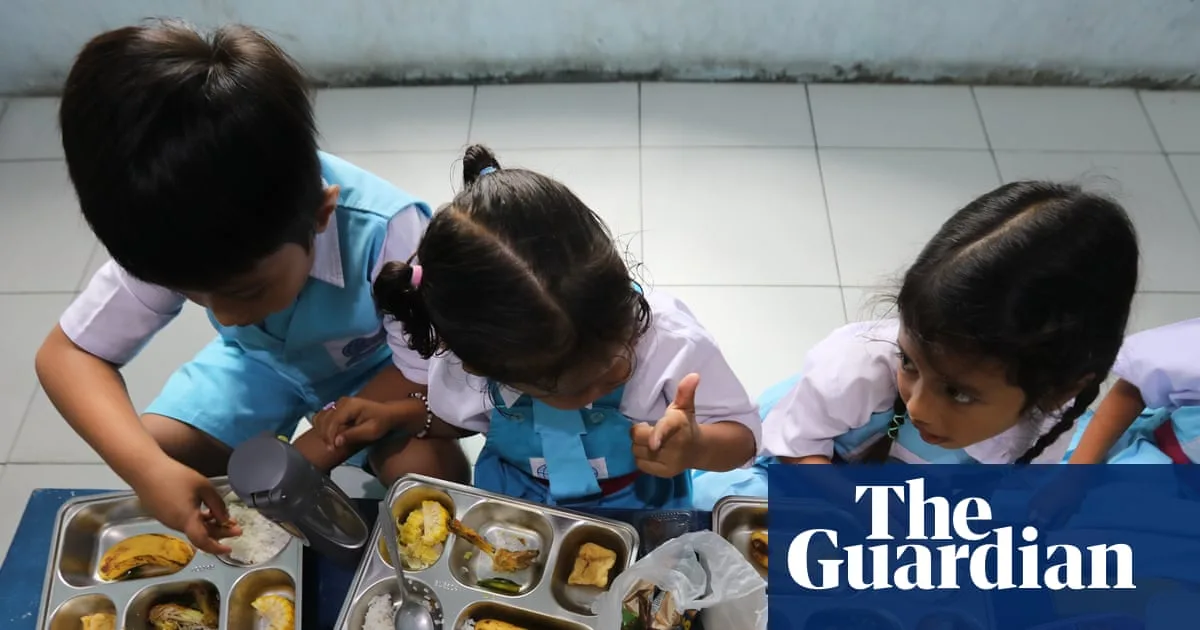
At least one pupil has died and dozens have been hospitalised after a series of food poisoning outbreaks linked to Indonesia's flagship free school meals programme. The scheme, launched by President Prabowo Subianto in January to combat malnutrition, has been marred by contamination including maggots in tempeh and shards of glass in rice.
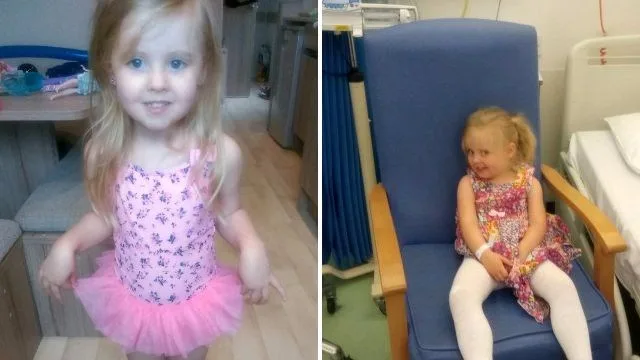
Rini Irawati found her 16-year-old daughter Nabila pale and barely breathing after eating a government-provided meal in West Java. Nabila was among 500 students who fell violently ill in the area. 'I've seen nothing like it, even during Covid-19,' said Aep Kunaepi, who works at a shelter where victims were taken.
The £3.2 billion programme aims to provide daily meals to 39 million schoolchildren, toddlers, pregnant women and new mothers, with a target of 83 million by year end. However, the Indonesian Education Monitoring Network has documented more than 15,000 poisoning cases nationwide, with outbreaks reported in West Java, Yogyakarta, Central Java and Sumatra.

Nutritionist Dr Tan Shot Yen criticised the government's focus on scale, saying bacterial contamination such as salmonella or E coli could become endemic. President Prabowo has downplayed the issue, calling the poisoning rate of 0.0017% a 'proud achievement'. He has since drafted a decree to improve food safety.
BGN spokeswoman Dian Fatwa said investigations found improper food storage, poor sanitation and late delivery were to blame. The agency has suspended 132 kitchens and aims for 'zero incidents' through stricter hygiene and smaller operations. Experts warn the programme was rushed, with one kitchen in West Java catering to 3,500 students, making quality control impossible.