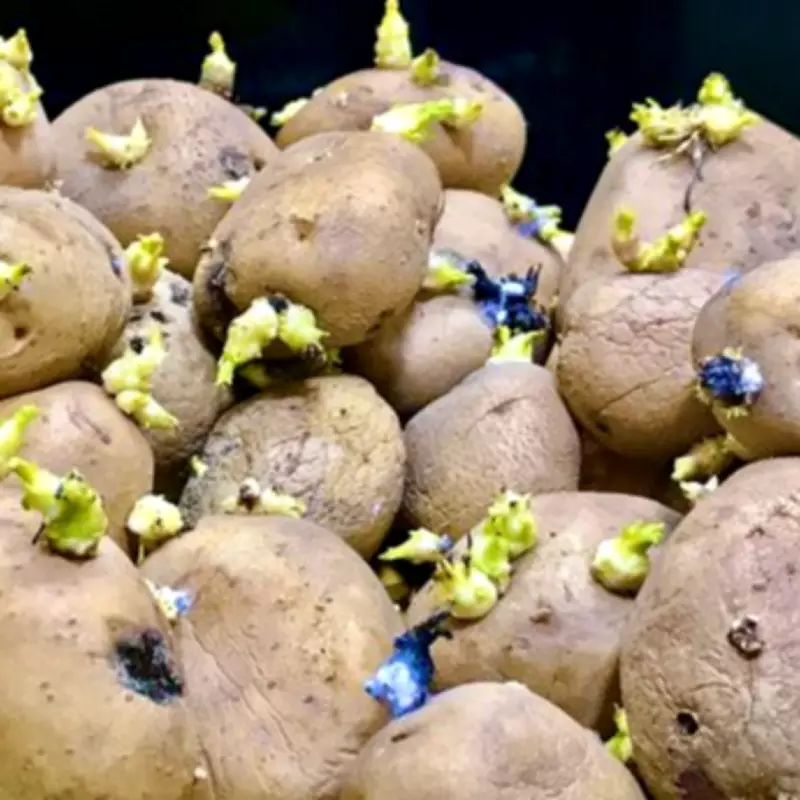
We've all experienced that unsettling moment when opening the kitchen cupboard reveals a forgotten potato that has clearly seen better days. Wrinkled, sprouting shoots, sometimes with eerie tentacles stretching toward any available light. When potatoes reach this advanced state of decay, most people instinctively know to discard them rather than risk using them in a meal. However, what about catching them earlier in their decline? Can you safely eat a potato that has just begun budding, or are you risking an unpleasant bout of food poisoning?
The Hidden Danger in Sprouted Potatoes
Mark McShane, a chef and food safety expert at Food Hygiene Certificate, has identified crucial warning signs that indicate when potatoes become unsafe to consume. According to his expert analysis reported by the Express, the primary concern with sprouted potatoes is the increased presence of naturally occurring toxins called glycoalkaloids, specifically solanine and chaconine.
"The sprouts and green parts of the potato contain compounds which become toxic when people consume large amounts," Mark explained. These toxins develop as potatoes age and are exposed to certain conditions, potentially making them hazardous to human health.

When to Keep and When to Discard
Mark provides clear guidance on navigating the grey area between edible and dangerous potatoes. "People can safely use a knife to remove small sprouts from the potato which remains edible as long as its body remains hard and shows no green discoloration," he advises. This means potatoes with minimal sprouting that are still firm to the touch can often be salvaged with careful preparation.
However, the expert emphasizes that certain conditions warrant immediate disposal. "The potato should be thrown away when it reaches the stage of soft, wrinkled, or heavily sprouted condition," Mark states unequivocally. Additionally, he highlights another critical warning sign: "The green tint that sometimes develops under the skin is another warning sign because it indicates that glycoalkaloid levels may be elevated."
Understanding Glycoalkaloid Poisoning
Consuming significant quantities of these toxins can lead to glycoalkaloid poisoning, which while uncommon according to the Food Standards Authority, remains a genuine health concern. The symptoms of this type of food poisoning include:
- Abdominal pain
- Vomiting
- Diarrhoea
These gastrointestinal symptoms typically develop within a few hours of consuming contaminated potatoes and can range from mild discomfort to more severe illness requiring medical attention.
Proper Potato Storage Techniques
To prevent potatoes from developing dangerous toxins and unsightly sprouts, Mark recommends specific storage practices. "Light exposure should be avoided because it causes potatoes to develop a green colour and to begin sprouting, which happens when people store potatoes inside plastic bags or in spots that receive direct sunlight," he explains.
The ideal storage method involves keeping potatoes in a cool, dry location away from plastic packaging that can trap moisture. Proper ventilation is crucial to maintaining potato quality and safety over time. By following these storage guidelines, you can extend the shelf life of your potatoes while minimizing the risk of toxin development.
Understanding these warning signs and implementing proper storage techniques can help consumers make informed decisions about potato safety, potentially preventing unnecessary food waste while avoiding the risk of foodborne illness from contaminated tubers.