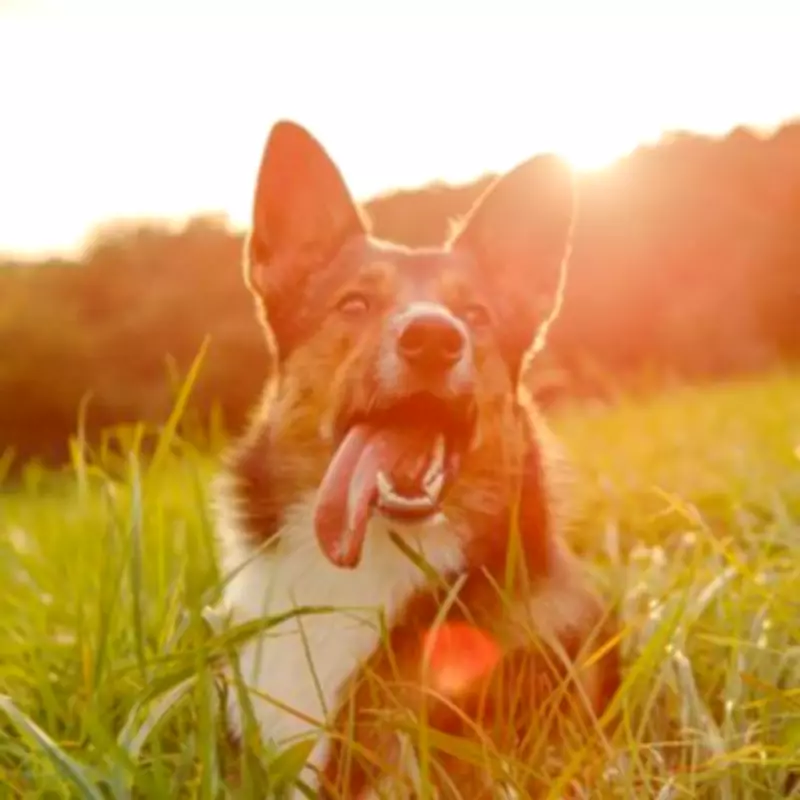
A leading veterinarian has issued an urgent warning to dog owners across the United Kingdom as temperatures are forecast to reach 30°C in the coming days. With many people expected to flock to pub gardens and outdoor spaces, pet owners are being urged to take extra precautions to protect their dogs from the dangers of excessive heat and sun exposure.
Expert advice from Dr Anna Foreman
Dr Anna Foreman, in-house veterinarian at Everypaw Pet Insurance, has highlighted that while dogs enjoy sunbathing for the same reasons humans do—the warmth and bright light promote relaxation and well-being—there are significant risks involved. She cautions that dogs should only be allowed to sunbathe for a maximum of 45 minutes to one hour during peak sunlight hours, typically between 11am and 3pm.
"Sunburned skin is painful in animals as it is in humans. More chronically and seriously, repeated sunburn can lead to cancerous changes. We particularly see this on the ear tips and noses of white animals, especially cats," Dr Foreman explained.

Can sunlight benefit dogs?
Unlike humans, dogs cannot absorb UVB rays through their skin to produce vitamin D; they rely entirely on their diet for this nutrient. However, sunlight does help regulate a dog's circadian rhythm by promoting the production of melatonin and serotonin, which support healthy sleep patterns and mental well-being.
How long should dogs be in the sun?
Dogs should be limited to sunbathing for no more than 45 minutes to an hour when the sun is at its strongest. They must always have access to shade and fresh water. Cooling mats or paddling pools can also help dogs regulate their body temperature.
Dr Foreman warns that dogs with breathing issues, such as brachycephalic breeds (e.g., pugs and French bulldogs), should not be allowed to lie in the sun at all, as the increase in body temperature puts significant strain on their compromised airways.
Exercise and heat risks
Dogs should not be exercised during the middle of the day in warm weather. Early mornings before 8am or evenings after 8pm are far safer. Generally, it is safe to walk dogs in temperatures under 20°C, but large or flat-faced breeds, obese dogs, or those with health conditions require extra caution. Even healthy dogs can be at risk of heatstroke at temperatures as low as 20-23°C, and extreme caution is needed above 24°C.
Instead of walking in the heat, Dr Foreman suggests indoor games such as puzzle feeders, lick-e-mats, or supervised paddling pool play in the shade. If exercise is reduced, owners should also reduce food and treats to prevent weight gain.
Dangers of prolonged sun exposure
Heatstroke
Heatstroke occurs when a dog's core temperature rises above 39.2°C due to prolonged heat exposure. Brachycephalic breeds, older dogs, and those with underlying health conditions are particularly vulnerable. Signs of heatstroke include excessive panting, drooling, lethargy, and collapse.
Sunburn
Dogs with thin coats or pink skin are susceptible to sunburn, which can lead to skin cancers such as squamous cell carcinoma. The vet notes that sunburn is painful and repeated exposure can cause cancerous changes.
Cancerous changes
Dr Foreman warns that malignant squamous cell carcinoma can be locally invasive and may require removal of ear flaps (pinnae) or become non-resectable if left untreated. Tumours on the nose are particularly difficult to remove due to tight skin and proximity to bone and cartilage.
Hot pavements
Pavements can become dangerously hot for dogs' paws. A simple test: if you cannot hold the back of your hand against the pavement for five seconds, it is too hot for your dog to walk on. Walk on grass or at cooler times of the day to avoid burns.
Pet owners are advised to remain vigilant during the heatwave and prioritise their pets' safety by limiting sun exposure, providing shade and water, and avoiding exercise during peak heat.