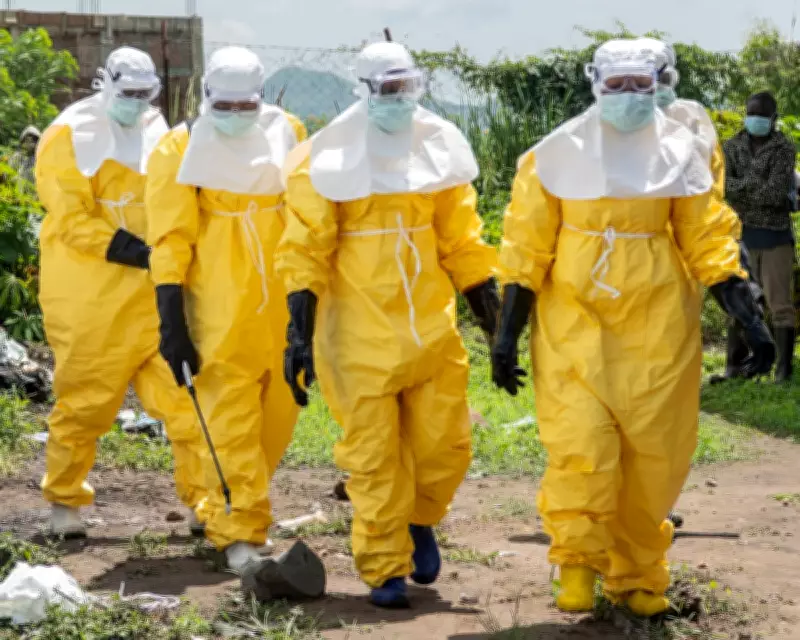
The Democratic Republic of the Congo is grappling with its 17th Ebola outbreak, which the World Health Organization has declared a public health emergency of international concern. Since the virus was first discovered in 1976, the DRC has faced this deadly threat 16 times, with a 2018-20 outbreak killing nearly 2,300 people. As of now, 139 suspected deaths and almost 600 suspected cases of the haemorrhagic fever have been reported, predominantly in the northeastern provinces of Ituri and North Kivu. Two cases have also been identified in Uganda among individuals who traveled from the DRC.
Regional Spread and Risk Assessment
Neighbouring South Sudan is also on high alert. The WHO suspects the disease has been circulating for a couple of months and, given the highly mobile population in the region, warns that it could take several more months to bring under control. While the global risk is considered low, the regional risk is deemed high.
The Virus and Its Challenges
The Bundibugyo virus responsible for the current outbreak is believed to be less lethal than more common Ebola strains, such as the one that killed 11,000 people during the 2014-16 West African outbreak. However, studies indicate that it still kills approximately one-third of those infected. There are currently no licensed vaccines or approved treatments, though some are under development. The rarity of this strain may have contributed to delays in detection, as authorities initially tested for other strains.

Human Factors Exacerbating the Crisis
Human choices play a significant role in shaping disease outbreaks. Eastern DRC has endured years of armed conflict, with a recent surge in violence. War hampers access to communities, forces displaced people into crowded and unsanitary conditions, and reduces healthcare access. Health facilities are frequently attacked by combatants, particularly in Ituri. Overburdened communities receiving minimal support often distrust authorities and health workers. Overcoming this requires not only sensitivity to local beliefs and customs but also a significant increase in medical provision, including routine healthcare and vaccinations, to build trust and facilitate the establishment of Ebola treatment centres.
Impact of Aid Cuts
Medical workers in the region possess expertise and experience; they do not need international teams to fly in, but they do require adequate resources. However, aid budget cuts by Donald Trump and leaders in the UK and elsewhere have had severe consequences. The International Rescue Committee reports that it had to reduce its health and outbreak preparedness areas in eastern DRC from five to two due to US cuts, affecting everything from disease surveillance to the provision of handwashing stations and latrines. The funding reduction is directly blamed for the delayed detection of the virus. US criticism of the WHO's response as "a little late" is ironic given the administration's withdrawal from the organization, which removed its largest source of funding.
Need for Consistent Support
International governments are now offering emergency-response funding. While essential, controlling deadly diseases requires consistent support for frontline workers and international expertise and monitoring. A Global Preparedness Monitoring Board report released on Monday warns that infectious disease outbreaks are becoming more frequent due to the climate crisis and war, while geopolitical fragmentation weakens collective responses. The DRC's outbreak serves as a reminder that our choices have long-term consequences.