Uganda has confirmed two new Ebola cases, bringing the total number of infections to seven, all directly linked to the ongoing outbreak in neighbouring Democratic Republic of Congo. The latest cases involve two health workers at a private hospital in Kampala, the Ugandan Ministry of Health announced on Monday.
First Local Transmissions
These new infections follow the confirmation on Saturday of the first local transmissions: a driver and another health worker who had been exposed to a 59-year-old Congolese man. This man was admitted to a Kampala hospital on 11 May and died three days later, before it was known he was suffering from the Ebola virus. Two other Congolese nationals who sought medical care in Uganda subsequently tested positive for the disease.
Congo Outbreak Intensifies
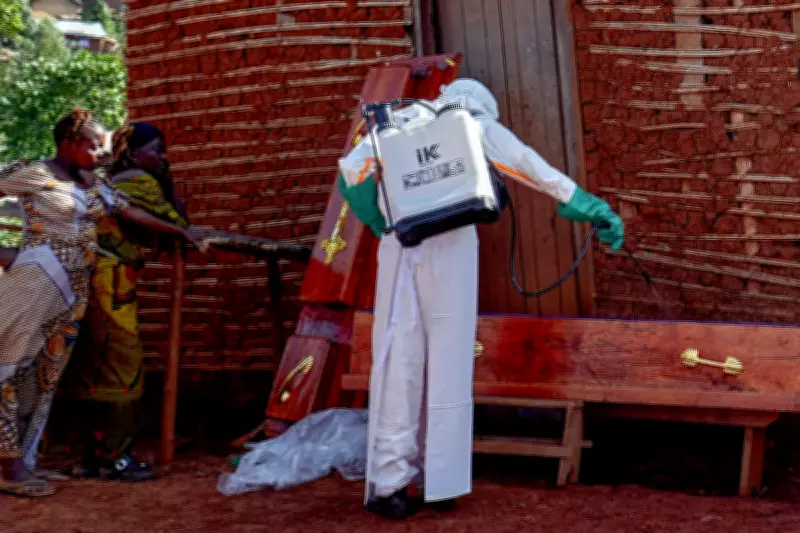
The outbreak in Congo, which authorities officially declared on 15 May, is believed to have begun several days or weeks prior. Suspected Ebola cases in Congo have now surpassed 900, predominantly in the eastern Ituri province, where the epidemic is centred. Response efforts have been significantly hampered by widespread fear, anger, and distrust among local communities, leading to attacks on treatment centres in a region long plagued by armed violence.

Global Health Emergency
The World Health Organisation has declared the outbreak a global health emergency. The Bundibugyo type of Ebola virus, responsible for the current infections, currently has no approved vaccine or treatment.
Oxford Vaccine Development
Scientists at Oxford University are developing a vaccine for a new strain of Ebola that could be ready for clinical trials within months. Last week, scientists at Oxford said they are working urgently to develop a vaccine which could be used in case the virus spirals out of control.
The team are working on testing the ChAdOx1 BDBV vaccine, a type of viral-vector vaccine that has been previously used in the development of immunisations for emerging infectious diseases – including Covid-19. Viral vector vaccines use a harmless, modified version of a virus (the vector) to deliver genetic instructions into human cells. ChAdOx1 is a highly adjustable technology, meaning it can quickly be changed to target different viruses.
According to the BBC, animal testing is already underway at Oxford. The World Health Organisation (WHO) told the BBC the vaccine could be available for use in clinical trials in two to three months. It comes as the risk of the Bundibugyo strain was upgraded from “high” to “very high” by the WHO.