Tour Guide's Harrowing Account of White Island Volcanic Eruption Survival
In the heart of the island, two streams meander down to Crater Bay, a spot where groups often pause to regroup after a walk and discuss the distinct tastes of the water—one iron-rich, the other sharp and acidic. Kelsey Waghorn, a 25-year-old tour guide, was explaining this to her group on December 9, 2019, when chaos erupted.
The Moment of Eruption
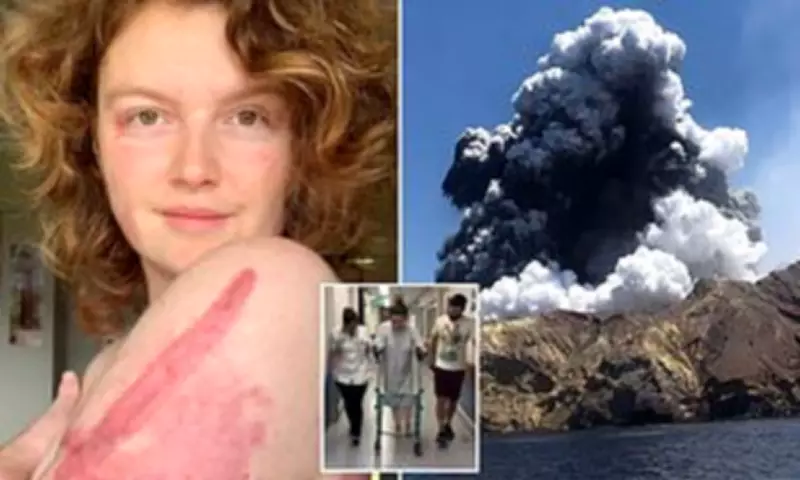
As Waghorn described how to taste the water, sudden exclamations of "Wow!" and "Look at that!" filled the air, followed by a blaring radio alert. Turning around, she saw an enormous black-and-grey plume rising rapidly above White Island, higher than its peak, set against a bright blue sky. The eruption was silent, with no sonic boom or rumble, only the urgent radio warnings and her own shouts to run for cover.
Waghorn, one of 47 people on the island that day, immediately activated her safety training, leading most of her group to shelter behind boulders about 300-400 metres from the main crater. Within moments, she faced a pyroclastic surge—a deadly wave of hot gas and volcanic debris rolling toward them. Despite the urge to flee, she kept the group sheltered, knowing survival odds were near zero.

Surviving the Surge
As the surge hit, darkness enveloped them, with temperatures soaring to oven-like levels. Waghorn recalls the sensation of her skin beginning to melt, like cooling candle wax, as she fought to keep her hands over her face. Screams echoed as others burned, but she clung to the knowledge that such eruptions typically last about 90 seconds. When the chaos subsided, the island was coated in ash, and her group emerged injured, with Waghorn suffering severe burns.
Realizing no official rescue was imminent, she rallied her group, shouting, "Get up! We've got to go!" Her quick thinking and leadership were crucial in their survival. The disaster claimed 22 lives, with two bodies never recovered, and left 25 injured, including Waghorn, who endured extensive physical and emotional trauma.
Aftermath and Recovery
In her book, Surviving White Island, Waghorn details the aftermath, from hospital recovery and rehab for life-threatening burns to struggles with PTSD. She reflects on the absurdity of the situation, comparing it to safety drills, and the profound fear that gripped her as she thought of her family and loved ones. Her story highlights the unpredictable dangers of active volcanoes and the resilience required to overcome such a catastrophe.
Published by HarperCollins, the book offers a raw, firsthand perspective on one of New Zealand's deadliest volcanic events, serving as a testament to human endurance in the face of natural disasters.