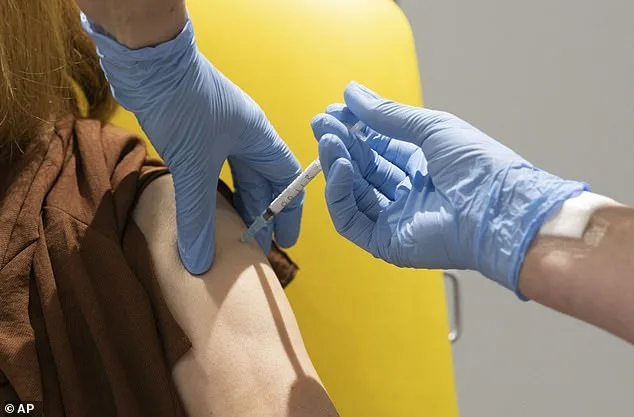
AstraZeneca took one month to provide the US Food and Drug Administration (FDA) with safety data from its coronavirus vaccine trial after the study was paused, according to a report by CNN. The late-stage trial, conducted with Oxford University, was halted on September 9 when a British participant suffered a serious reaction involving spinal cord inflammation.
The FDA has been awaiting this information to determine whether the illness was linked to the experimental vaccine. An unnamed source told CNN that the delay was due to data being stored differently at the European Medicines Agency compared to the FDA, requiring conversion between formats. The source compared it to transferring data from a PC to an Apple system, requiring significant time and effort.
Testing has resumed at all sites except the US arm, which remains paused. AstraZeneca declined to answer questions about the specific data provided or the reason for the delay, but stated it is working closely with regulators. A spokesperson said, 'AstraZeneca is continuing to work with the FDA to facilitate review of the information needed to make a decision regarding resumption of the US trial.'

An internal safety report revealed the British patient was diagnosed with transverse myelitis, an inflammation of the spinal cord that can cause pain, weakness, and even permanent paralysis. The condition can be triggered by infections or immune system disorders. Dr William Schaffner of Vanderbilt University noted that it is theoretically possible for a vaccine to induce such an immune response, warranting a thorough investigation.
Former FDA commissioner Dr Robert Califf suggested the delay may not be solely a technology issue, but that the FDA may have requested more data than initially provided, including expert opinions and further follow-up. Dr Paul Mango of the US Department of Health and Human Services indicated that updates on the trial's future could come within the next week.