More than 500 mothers and babies suffered potentially avoidable harm or died due to “deeply embedded systemic failures” at a “toxic” hospital trust, a review has found. The inquiry, led by senior midwife Donna Ockenden, found leaders at Nottingham University Hospitals NHS Trust (NUH) knew there were serious issues in its maternity department going back years but failed to take action to prevent more deaths.
Scope of Harm and Deaths
Some 520 mothers and babies suffered potentially avoidable harm or death. There were at least 156 cases involving the deaths of babies, and six mothers died. Of the baby deaths where potential or actual harm occurred, 94 were stillbirths. Some 62 cases were neonatal deaths shortly after birth. Assessors found babies died from a range of conditions, including oxygen starvation, mismanaged labour, hospital-acquired infections and poor postnatal care delivered by midwives and doctors.
More than 2,500 families and over 800 members of staff have contributed to the largest maternity inquiry in the history of the NHS, with NUH having already paid out millions of pounds in compensation and fines after being prosecuted for poor care.

Specific Cases Highlighted
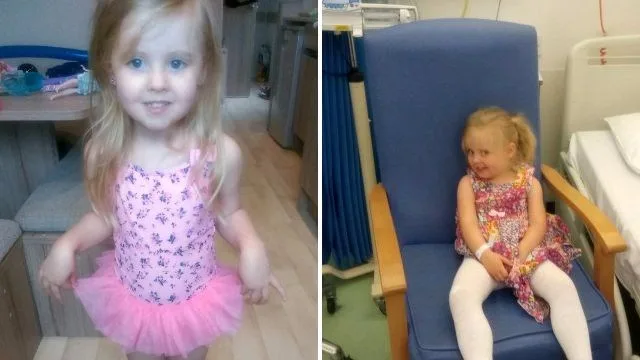
Among those babies who died were Harriet Hawkins, who died “avoidably in 2016 following significant failures in maternity care”; Wynter Andrews who died in 2019 “after significant failures in care”; and Ladybird, whose parents were wrongly told to terminate a healthy pregnancy, the report said.
The more than 500 cases of mothers and babies were graded as 2 or 3 for harm, with grade 2 representing “significant concerns” and grade 3 “major concerns” over care. Grade 2 represents sub-optimal care where different management might have made a difference to the outcome, and grade 3 is where different management would reasonably be expected to have made a difference. Some 30 cases of potentially avoidable harm related to “massive obstetric haemorrhage”, and 12 reviews into babies led to major concerns relating to brain damage due to a lack of oxygen.
Systemic Failures and Cultural Issues
Looking at the catalogue of errors spanning many years, the report found failures in the monitoring of babies, poor CTG interpretation, a failure to recognise babies were in distress during labour and a failure to escalate some cases to senior doctors. Assessors also found that some families who raised concerns with the trust were told lessons would be learned, and yet “similar incidents recurred repeatedly over many years”. There was also evidence that harm was downgraded by the trust, with families told babies had died of natural causes when that was not true.
“Across multiple cases and over many years, opportunities to recognise deterioration, escalate concerns and intervene appropriately were missed,” the report said.
Key Findings from the Review
Experts on Ms Ockenden’s team found multiple examples where failures in neonatal care may have contributed to long-term brain injury and adverse neurodevelopmental outcomes in babies. Leadership instability was a “major contributing factor” affecting the quality and safety of maternity services. Between 2017 and 2021 there was “sustained turnover in senior maternity leadership positions” and senior operational roles.
A “bullying and toxic culture” at the trust over years was identified. The review team heard how some staff members were “specifically and consistently mentioned as forming intimidating cliques that were/are well known, but not confronted”. There was also a belief in the “Nottingham-way” and “tribalism” among staff groups.
Staff reported experiences shaped by longstanding cultural challenges, including hierarchy, bullying (particularly by some labour ward co-ordinators), nepotism and aggressive behaviour. One member of staff said “bad behaviours and toxic culture were normalised; people didn’t even recognise it…(There were) entrenched ways of behaving that were unprofessional and cruel to women on labour ward.”

Staff reported “a culture of organisational denial” over years, where poor outcomes “were regularly dismissed as ‘known complications’”. There were multiple examples of “poor telephone risk assessment” of women ringing in with concerns during pregnancy and labour, alongside missing documentation and a “culture of discouraging women to attend in-person”.
Staff and Patient Experiences
Staff who worked at NUH prior to 2017 told the review team “there was a culture of not admitting women who were seeking admission in labour”. One staff member said: “There was nowhere for those women to safely go to, because they were perceived as bed-blocking on labour suite… honestly, when I worked there, it would be when they complained enough, when they complained loud enough…”
Some women in labour suffered delays in being examined and there were cases where staff were reluctant to escalate concerns and transfer to the labour ward “due to professional cultures”. The “toxic bullying culture among labour ward co-ordinators” lasted years and resulted in women receiving inadequate care. Reviewers also found inappropriate use of the drug oxytocin to induce labour.
There were delays in recognition and escalation of postpartum haemorrhage, as well as major obstetric haemorrhage, causing women harm. Incidents were “frequently graded too low” and closed, contributing to the “under-recognition of serious harm and limiting escalation to serious incident investigation”. Stillbirths where sub-optimal care was identified “were classed as causing ‘no harm’”. Staff told how “catastrophic outcomes” were recorded as low or no harm.
Antenatal and Postnatal Care Failures
With antenatal care, women repeatedly described feeling unheard, inadequately informed and unsupported when expressing anxiety, particularly in relation to reduced foetal movements or emerging medical complications. There was inadequate communication support for women whose first language was not English. Staff described racism and “racist attitudes towards black women labelled too loud, too demanding”.
In postnatal care, some mothers with very high blood pressure or who were deteriorating were not adequately assessed and there were “failures in the recognition and management of the unwell or poorly feeding baby”. Some patients received phone calls when they should have been seen in person. “In several cases the consequences of these failures were severe and irreversible.”
Managers at the trust were often thought of as “invisible, unapproachable and unresponsive”, they ignored concerns, bullied people, and were rude and aggressive. Staff shortages and “operational pressures” affected all areas of maternity. Staff described routinely working “beyond safe capacity”. Some patients described inadequate pain relief, with one saying “It felt brutal… traumatic… they were screaming at me… ‘you need to pull yourself together’…”
Failures in Care After Death
The review also examined 17 babies and one adult who died and what happened to them after death. It found “recurring examples of failure to protect the dignity of the deceased, including an early gestation baby disposed as clinical waste; dehumanising language by clinicians; and poor mortuary care, including failure to comply with legal requirements…” On Monday, Nottinghamshire Police said two men had been arrested “in connection with operating practices in the mortuary service” provided by the trust.
Reactions and Next Steps
In her introduction to the report, Ms Ockenden said: “We owe it to every mother, every baby and every family whose terrible experiences are recorded here that they are never repeated.” She added that “the culture of compounding of harm needs to stop”. Detailing the case of Jack and Sarah Hawkins, she said baby “Harriet’s avoidable death was compounded by a systemic cover-up and investigations designed to mislead, which took a profound toll on the couple’s wellbeing”.
She added that the list of organisations that failed the Hawkins family include the trust, the Nursing and Midwifery Council, the Human Tissue Authority and the Care Quality Commission (CQC) regulator. Ms Ockenden added that many of the systems of oversight established for maternity care “are no longer fit for purpose”. Actions set down in the review “when implemented will drive improvement both within perinatal services at Nottingham University Hospitals NHS Trust and across England”, she said. “The evidence heard by the review team makes clear that we are not yet consistently providing safe, equitable and compassionate care to all women, babies and families. That must change.”
Ms Ockenden suggested a new national framework for clinical governance introduced to hospitals in England in 2022 may also have flaws. She said “like many other trusts NUH has struggled to implement PSIRF (Patient Safety Incident Reporting Framework). In maternity, the policy for including incidents is vague, resulting in under-reporting.”
Health Secretary James Murray pledged to “deliver lasting change”, adding: “We will reflect on these findings and lessons from Nottingham will form part of our national plan to deliver real improvements in maternal and neonatal care for all families.”
Nick Carver, NUH trust chairman and Anthony May, chief executive, who both joined in 2022, apologised in an open letter and said while improvements have been made, there is more to do. They added: “We apologise unreservedly to the women and families who have suffered harm, loss, trauma or distress while receiving care in our services.”