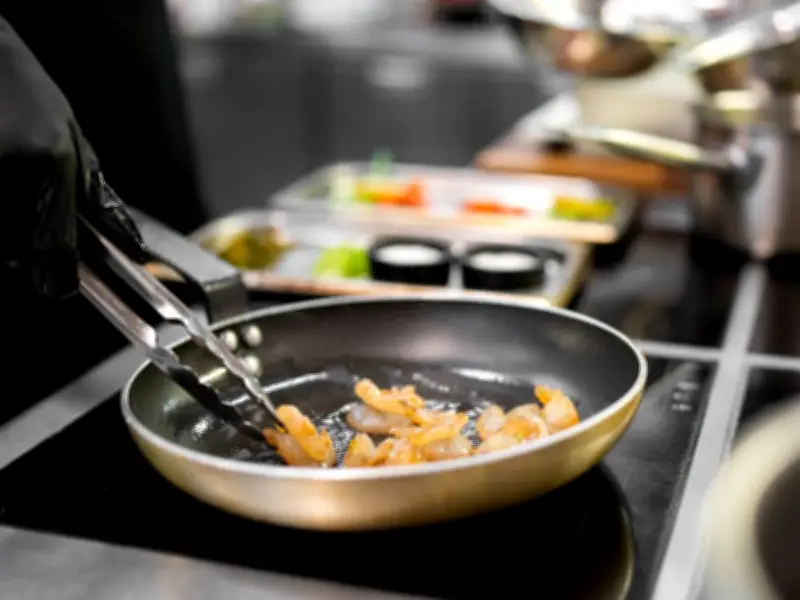
Damaged non-stick frying pans can pose a significant cancer risk, according to Dr Jiri Kubes, a radiation oncologist and Medical Director at the Proton Therapy Center in Prague. He warns that scratched, peeling, or flaking non-stick coatings can release toxic fumes and microscopic particles into food when heated, increasing exposure to harmful chemicals.
The Dangers of Damaged Non-Stick Cookware
Dr Kubes explains that the non-stick coating often contains per- and polyfluoroalkyl substances (PFAS), known as "forever chemicals" due to their persistence in the environment and the body. These chemicals have been linked to hormonal disruption, immune system effects, and an increased risk of certain cancers. When the coating is damaged, high heat can cause the underlying materials to release toxic fumes and particles that contaminate food.
"Modern non-stick cookware is generally considered safe when used correctly, but damaged pans should be replaced, and it's sensible to avoid overheating them unnecessarily," Dr Kubes said. He emphasizes that small, consistent choices in daily life can reduce cancer risk over time.

Other Cancer Risks in the Home
Beyond frying pans, Dr Kubes highlights several other household items and habits that may increase cancer risk:
Heavily Charred Barbecued Meat
While summer barbecues are fine, regularly eating heavily charred meat is not. High-temperature cooking can form heterocyclic amines (HCAs) and polycyclic aromatic hydrocarbons (PAHs), chemicals linked to cancer. Dr Kubes advises avoiding burnt meat as a regular habit.
Disposable Plastic Bottles in Heat
Single-use plastic bottles left in hot cars or direct sunlight can leach chemicals into the water. Dr Kubes recommends against reusing these bottles, especially after heat exposure, to reduce unnecessary chemical exposure.
DIY Dust
Fine dust from sanding, cutting concrete, or drilling walls, particularly silica dust, is a known health hazard. Dr Kubes stresses the importance of good ventilation and appropriate respiratory protection during DIY projects.
Damaged Asbestos in Older Homes
Asbestos in older properties is not dangerous if undisturbed, but renovation work can release fibers that significantly increase the risk of lung diseases, including mesothelioma. Dr Kubes advises caution during home renovations.
Poor Kitchen Ventilation
Cooking at high temperatures generates airborne particles that accumulate indoors. Using an extractor fan or opening windows can improve indoor air quality, a simple change that reduces exposure to potential carcinogens.
Radon in Higher-Risk Areas
Radon is a naturally occurring radioactive gas and the second leading cause of lung cancer after smoking. Dr Kubes recommends testing homes in areas where radon is common.
The Biggest Preventable Cancer Risk
Smoking remains the single largest preventable cause of cancer, responsible for more than one in four cancer deaths and about eight in ten lung cancer cases, according to Cancer Research UK. "If there was one habit I'd remove completely, it would be smoking. There really isn't a safe level of tobacco exposure, including second-hand smoke," Dr Kubes said.
Alcohol Consumption
Alcohol is a recognized risk factor for several cancers. Dr Kubes suggests keeping alcohol for special occasions rather than everyday drinking to reduce overall intake.
Making Healthy Choices Easy
Dr Kubes emphasizes creating an environment that promotes healthy living: keeping fruit visible, wearing sunscreen, staying physically active, avoiding smoking, and limiting alcohol. These habits have a far greater impact on cancer risk than many people realize.
"I don't want people to become anxious about every item in their home. Cancer is a complex disease with many different causes, and there is rarely one single factor responsible. The important message is that many of the biggest cancer risks are modifiable. Small, practical changes repeated consistently over many years really can make a difference to your overall health," Dr Kubes concluded.