As the UK bakes in a heatwave with temperatures potentially reaching 40°C in some areas, staying hydrated is vital. A sports nutritionist and hydration expert has shared how to spot the signs of dehydration and distinguish it from ordinary thirst.
Subtle Signs of Dehydration
James Morehen, sports nutritionist and hydration specialist at electrolyte brand Vidrate, explained that dehydration signs are not always obvious. They can show up as a headache or difficulty concentrating, which can be mistaken for tiredness or screen fatigue. If you experience either during hot weather, it can be an early sign your body needs more fluids.
Particular cravings can also indicate dehydration. If you find yourself wanting salty or sugary snacks, it might suggest your body is under strain. When fluid levels drop, it can lead to fatigue, which the body may interpret as hunger.

Persistent bad breath can be another overlooked sign. When you're not drinking enough fluids, your body produces less saliva, which plays a key role in washing away bacteria in the mouth. As bacteria build up, it can lead to an unpleasant odour.
Thirst vs Dehydration
Thirst is actually a late indicator of dehydration. By the time you begin feeling thirsty, dehydration has already taken hold. That's why it's crucial to regularly sip water throughout the day to prevent becoming too dehydrated.
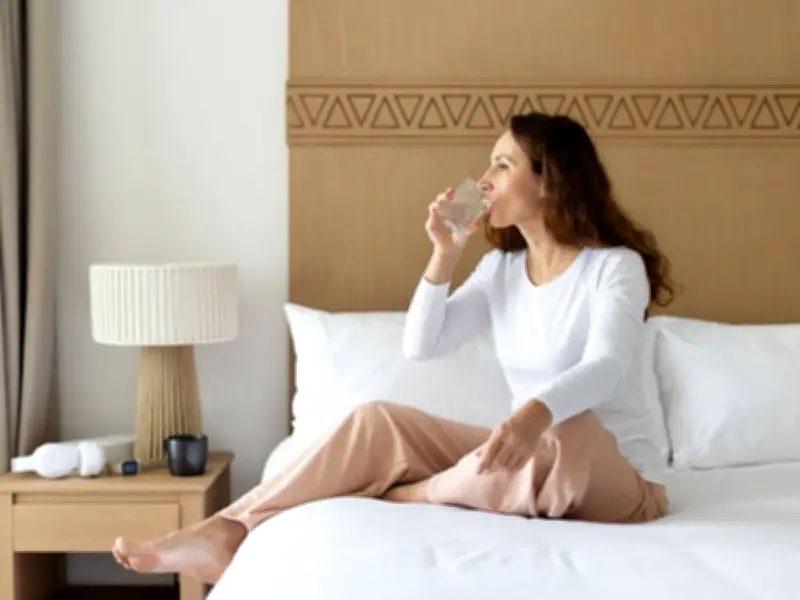
James recommended: "Drinking a full glass of water when you wake up and before you go to bed is one of the best things you can do during hot weather. Your morning glass helps to rehydrate after a night of sweating, and a glass before bed can help regulate body temperature - just leave a gap of 30 to 45 minutes before sleep to avoid a disrupted night."
How Much Water Should You Drink?
James said: "It is recommended to drink six to eight glasses of water a day but during hot weather, this can increase to around three litres, especially if you're active or spending time outdoors."
A simple way to check if you're hydrated enough is by checking your urine colour. You should aim for a pale-yellow colour; if it's darker than that, you likely need to consume more water.