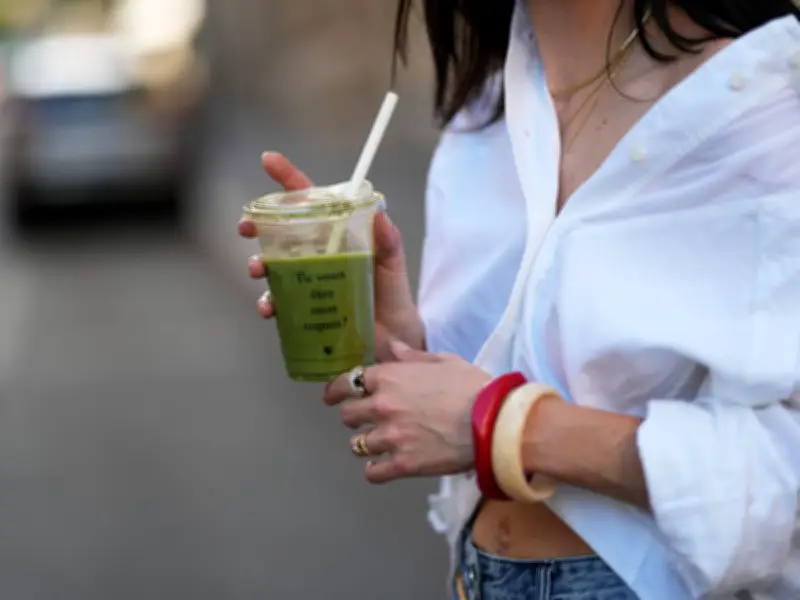
Dr Ahmed, an A&E physician known as the Gordon Ramsay of healthcare, has warned that the massively popular matcha tea trend could be leaving people exhausted. During a recent visit to Manchester's Arndale Centre, he observed 'every single woman and a lot of men' sipping matcha tea, but cautioned that it may contribute to iron deficiency anaemia.
Matcha's Popularity and Health Concern
Matcha, a traditional Japanese tea packed with antioxidants called catechins, has seen millions of posts on TikTok, Instagram, and YouTube. However, Dr Ahmed highlighted that matcha's polyphenol content can prevent the absorption of non-heme iron, the type found in plant sources like leafy vegetables and spinach. He noted that 57% to 65% of Gen Z and millennials are consuming matcha extensively, which could lead to iron deficiency, especially as diets shift towards more plant-based options.
Impact on Iron Absorption
Dr Ahmed explained: 'Because you consume the whole ground leaf, matcha is packed with catechins that block non-heme iron by up to 60-90%. That's higher than standard green tea (~60%) and nearly matches the heavy binding power of black tea (~70-94%).' He stressed that this only applies to plant-based iron; iron from red meat, poultry, or fish (heme iron) is unaffected by matcha or coffee.

To mitigate the issue, he advised waiting 60 to 90 minutes after eating before consuming matcha, or pairing meals with Vitamin C to override the block. 'So, no, I don't want you to stop drinking your 35 cups of matcha a day, I just want you to space them out between what you eat,' he said.
Iron Deficiency Anaemia Symptoms
According to the Mayo Clinic, iron deficiency anaemia occurs when the blood lacks enough healthy red blood cells, causing tiredness and shortness of breath. Symptoms include extreme tiredness, weakness, pale skin, chest pain, fast heartbeat, headache, dizziness, cold hands and feet, brittle nails, and restless legs syndrome. In severe cases, it may cause cravings for non-food items like ice or dirt.
Dr Ahmed's warning comes as matcha continues to trend on social media, with many influencers promoting its health benefits without highlighting potential risks for those on plant-based diets.