As the UK continues to experience a severe heatwave, experts have issued a stern warning that drinking alcohol can significantly increase the risk of heart-related problems, including a potential heart attack. The combination of high temperatures and alcohol consumption places a tremendous burden on the heart, leading to dangerous drops in blood pressure and possible collapse.
How Heat and Alcohol Affect the Heart
In hot weather, the body sweats more, reducing blood volume due to water loss. Blood vessels near the skin expand to facilitate heat loss, and alcohol exacerbates this dilation. This combination causes blood pressure to drop, forcing the heart to work harder to deliver oxygen to the brain and other organs. If the heart cannot keep up, individuals may experience dizziness, fainting, or even a heart attack.
Professor Helmut Seitz at the University of Heidelberg in Germany told the Guardian: “If there is too little blood and the pump function is not good and you have arrhythmia, you may have a problem in supplying your own heart with blood.”

Dehydration Risks from Alcohol
Alcohol acts as a diuretic, promoting fluid loss. Research indicates that every 1ml of alcohol prompts the body to generate roughly 10ml of urine. For example, a 25ml measure of 40% whisky contains 10ml of alcohol and 15ml of water, triggering 100ml of urine production, resulting in a net fluid loss of 85ml.
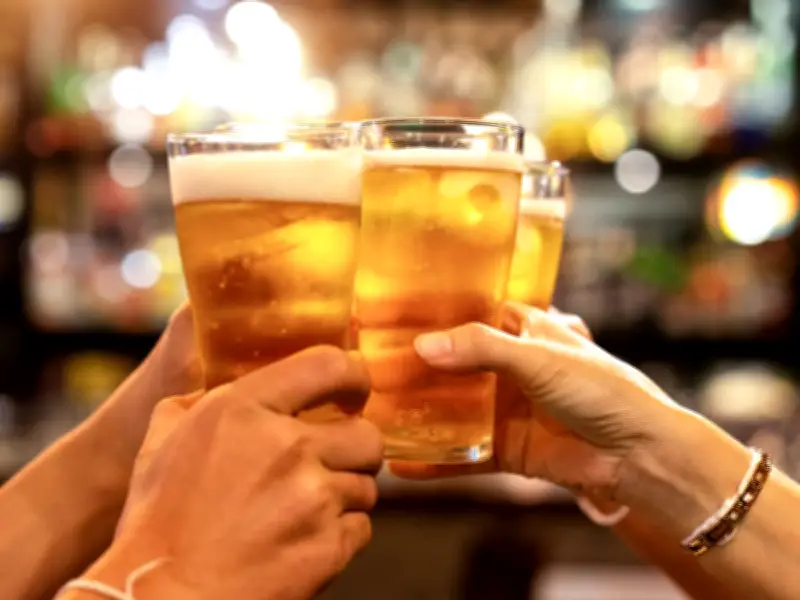
Beer has a lesser impact. A pint (568ml) of 5% beer contains approximately 28ml of alcohol, which triggers around 280ml of urine, but the body still gains roughly 260ml of water. Professor Ron Maughan, an honorary professor at the University of St Andrews who has worked with the British Olympic Association, said: “You’re better off with that pint of beer, you are more hydrated than you would be if you didn’t drink it.”
Practical Advice for Staying Safe
While a chilled pint in the sunshine may not pose a significant problem, potent spirits and large quantities can be hazardous. Experts recommend limiting alcohol intake during heatwaves, opting for lower-alcohol beverages like beer, and ensuring adequate hydration with water. Red weather warnings are in place for most of the UK, emphasizing the need for caution.