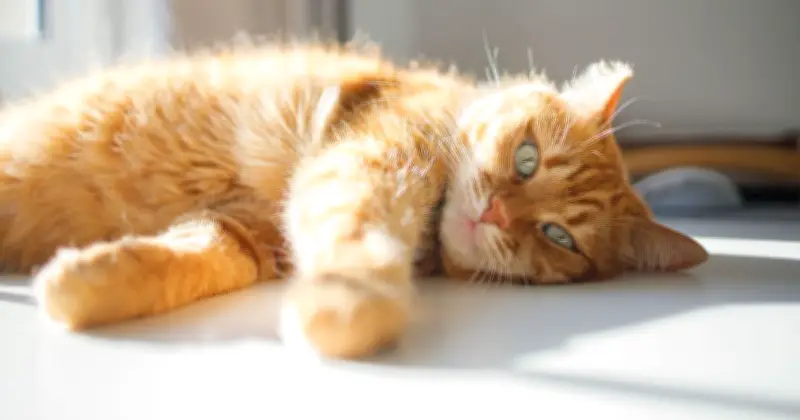
Vets are warning pet owners that heatstroke in cats is a life-threatening emergency, with symptoms ranging from panting to seizures. The PDSA, a leading veterinary charity, stresses that heatstroke can cause severe dehydration, organ damage, and death if not treated promptly.
What Causes Heatstroke in Cats?
Unlike dogs, cats rarely get heatstroke from exercise. The most common cause is being accidentally trapped in a hot, poorly ventilated space such as a shed, conservatory, or garage. A cat's normal body temperature is between 38.1°C and 39.2°C; once it exceeds 40°C, they are at risk. Prolonged overheating can lead to seizures, blood clotting problems, coma, and death.
Key Symptoms of Heatstroke in Cats
According to the PDSA, common signs include panting and fast breathing, bright red or very pale gums, vomiting, diarrhoea (sometimes with blood), weakness, confusion, wobbliness, collapse, seizures, blindness, and unconsciousness. Owners should act immediately if they notice any of these symptoms.

Which Cats Are Most at Risk?
While any cat can suffer heatstroke, those with long coats, obesity, or flat faces (like Persians) are more vulnerable. Very old cats and young kittens also struggle to regulate body temperature. Cats with pre-existing heart or lung conditions are at higher risk too.
How to Prevent Heatstroke
To prevent accidental trapping, always check sheds, greenhouses, conservatories, and cars before closing them. Never leave a cat in a hot room or car, even with windows open. Ensure constant access to shade and fresh water. If you suspect heatstroke, take your cat to the vet immediately.