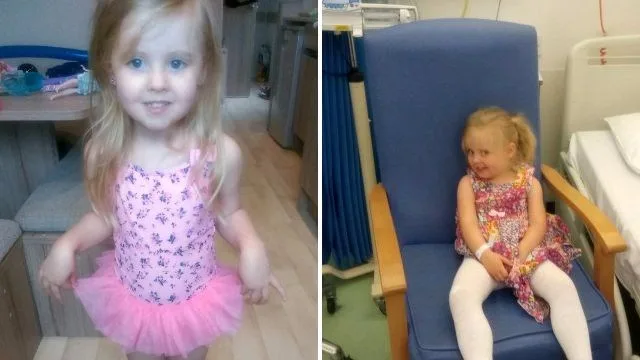
Liverpool and Knowsley have the lowest uptake rates for the MMR vaccine in five-year-olds anywhere in England outside London, according to the latest UK Health Security Agency (UKHSA) figures from October to December 2025. Only 87% of children in these areas received the first dose of the MMR vaccine, while just 76% received the second dose, which protects against measles, mumps, and rubella.
Vaccination rates fall short of WHO target
The World Health Organisation (WHO) recommends a 95% vaccination rate to achieve measles elimination. In January 2026, the WHO announced that the UK had lost its measles elimination status, which it had achieved in 2021. The low uptake in Liverpool and Knowsley leaves children vulnerable to serious complications such as meningitis, pneumonia, blindness, and seizures.
In 2024, the UK experienced its largest measles outbreak since 2012, with nearly 3,000 cases. Over 700 cases have been reported so far in 2026. The NHS Cheshire and Merseyside board emphasised that the vaccine is "the safest and most effective way" to protect against these diseases and that "it is never too late to catch up on missed vaccinations."

Other childhood vaccines also lagging
Liverpool ranks sixth worst among 161 local authority areas in England for uptake of the 6-in-1 vaccine (protecting against polio, whooping cough, diphtheria, tetanus, Hib, and hepatitis B) in children aged 12 months, with only 83% vaccinated. By age five, the rate improves to 89%, still below the national average of 93%. The lowest uptake is for the dTaP/IPV booster vaccine, with just 73% of five-year-olds in Liverpool vaccinated, compared to 84% nationally and 83% in the North West.
Knowsley also trails, with only 74% of children fully immunised by age five. St Helens and Sefton match the national rate, while Wirral performs above it at 87%.
Local efforts to improve uptake
A spokesperson for NHS Cheshire and Merseyside said: “The MMR vaccine (now MMRV) is the safest and most effective way to protect individuals and communities from measles, mumps and rubella. Like many parts of the country, we have seen challenges in maintaining vaccination uptake over recent years. We are working closely with GP practices, local authorities, NHS England, UKHSA, school-age immunisation providers and community partners to improve uptake through targeted call and recall activity, community outreach, catch-up opportunities and public engagement campaigns.”
Public Health Liverpool acknowledged that "many children are at risk of serious vaccine-preventable diseases" and is implementing a Vaccination Engagement Plan to build confidence and tackle misinformation. Director of Public Health, Professor Matt Ashton, urged families to check their child's red book or contact their GP practice to ensure vaccinations are up to date.
Knowsley Council added: "Many people do not understand how serious measles can be, and how easily it spreads. Vaccination remains the best way to protect your family from serious illnesses such as measles."