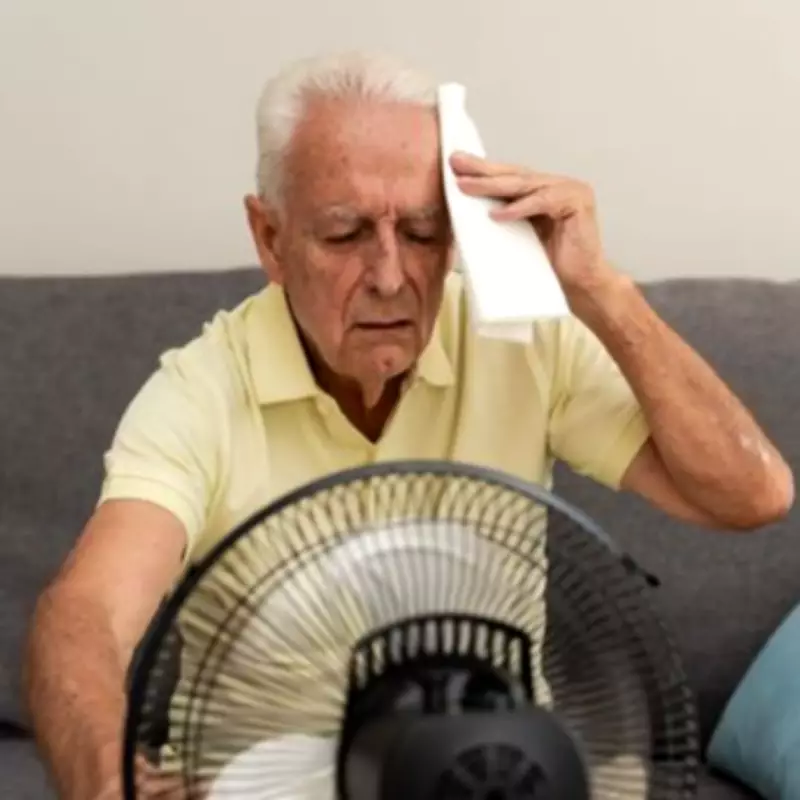
The NHS has urged Brits to "call 999 now" if they spot a potentially serious hot weather symptom appearing on the skin. With the UK set to experience high temperatures this weekend, it is vital to recognise any indicators of heatstroke.
Heat exhaustion can escalate into heatstroke
The NHS states that heat exhaustion can develop into heatstroke without swift treatment. "Heat exhaustion does not usually need emergency medical help if you can cool down within 30 minutes," the health body said. "If it turns into heatstroke, it needs to be treated as an emergency." On its website, the NHS warns you should "call 999 now if you or someone else have signs of heatstroke".
Key symptom: hot, dry skin
One crucial sign includes skin that feels hot but isn't sweating and may look red. The NHS notes that this can be harder to spot on brown and black skin.

Emergency help should also be called if someone stays unwell after 30 minutes of resting in a cool place, receiving cooling treatment and drinking fluids. Additional heatstroke symptoms requiring immediate 999 assistance include:
- An extremely high temperature
- Rapid pulse
- Fast breathing or shortness of breath
- Confusion and lack of coordination
- Seizure or fit
- Loss of consciousness
"Put the person in the recovery position if they lose consciousness while you're waiting for help," the NHS advises.
Heat exhaustion warning signs
Before developing into heatstroke, the warning signs of heat exhaustion to look out for include:
- Tiredness
- Dizziness
- Headache
- Feeling sick or being sick
- Cramps in the arms, legs and stomach
- Excessive sweating and skin becoming pale and clammy or getting a heat rash
- Fast breathing or heartbeat
- A high temperature
- Being very thirsty
- Weakness
The NHS said: "The symptoms of heat exhaustion are often the same in adults and children, although children may become irritable too."
What to do if someone has symptoms
If someone you know is showing signs of heat exhaustion, they need to be cooled down straight away and given fluids. The NHS recommends following these four crucial steps:
- Move them to a cool place
- Remove all unnecessary clothing like a jacket or socks
- Get them to drink a sports or rehydration drink, or cool water
- Cool their skin – spray or sponge them with cool water and fan them. Cold packs, wrapped in a cloth and put under the armpits or on the neck are good too
You should stay with them until they recover, which should take 30 minutes. However, if this approach doesn't work you may need to call 999.
Preventing heatstroke
"There's a high risk of heat exhaustion or heatstroke during hot weather or exercise," the NHS says. To help prevent heat exhaustion or heatstroke, the health body recommends you:
- Drink more cold drinks, especially if you're active or exercising
- Wear light-coloured, loose clothing
- Avoid the sun between 11am and 3pm
- Avoid excess alcohol
- Avoid extreme exercise
- If you're inside on a very hot day, close curtains, close windows if it's hotter outside than in your home and turn off electrical equipment and lights that get hot
Following this advice will also ward off dehydration and assist your body in regulating its temperature.