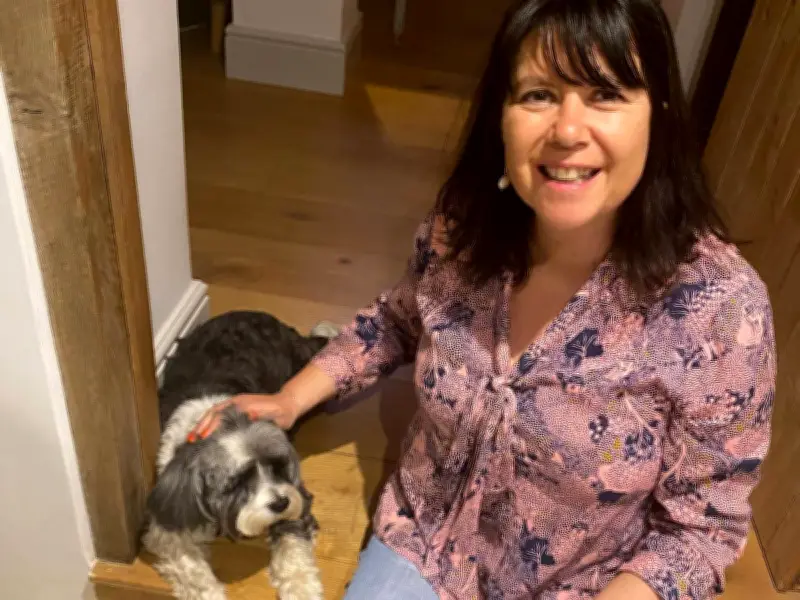
Michelle Dilger, a mother-of-two from Henley-on-Thames, was told she had a glioblastoma — an aggressive brain cancer — and given just 12 months to live at age 52. Her speech had become “confused and disjointed,” but doctors repeatedly dismissed her symptoms as menopausal. It was only after a routine gynaecology appointment in November 2018 that a consultant noticed her condition and referred her for an emergency scan, which revealed the tumour within 30 minutes. She underwent major surgery at John Radcliffe Hospital in Oxford.
Son Inspired to Fund Research
Now 60, Michelle has inspired her son Jack Dilger, 29, to donate £1 from every sale of his sports performance brand Cramp Killa to Brain Tumour Research, a charity using AI to improve glioblastoma treatments. Jack, who was in his final year studying marketing at the University of the West of England when his mother fell ill, said: “My mum is an incredibly intelligent woman. She’s always had amazing attention to detail; she’s brilliant with words. Then suddenly, she started sending messages that didn’t really make sense.”
Misdiagnosis Delays Treatment
Numerous visits to the GP and A&E resulted in misdiagnoses of menopause and anxiety. Jack recalled: “When I got a phone call from my dad, Richard, he was so distraught I could barely understand him. He said, ‘Your mum’s got a brain tumour’ and I felt like the ground had fallen beneath me.” The experience transformed his outlook and motivated him to build a brand with purpose. “Cramp Killa isn’t just about helping athletes perform at their best. It’s about creating something positive from an incredibly difficult experience,” he said.

Brain Tumour Research Funding Gap
Brain tumours claim more lives among children and adults under 40 than any other cancer, and more women under 35 than breast cancer, yet only 1% of the national cancer research budget has been directed towards brain tumours since 2002. Jack drew inspiration from his close friend, British swimmer Archie Goodburn, who was diagnosed with three oligodendrogliomas at age 23 but still secured a place at the forthcoming Commonwealth Games. Dan Knowles, chief executive of Brain Tumour Research, said: “Michelle’s story is a powerful reminder of why greater investment in research is urgently needed. Our scientists are working tirelessly to unravel the underlying biology of these dreadful tumours and uncover new ways to attack them.”