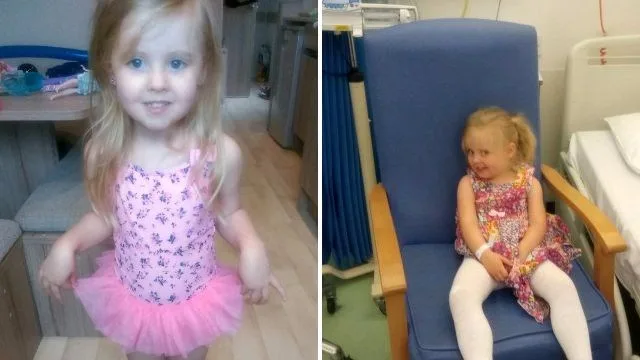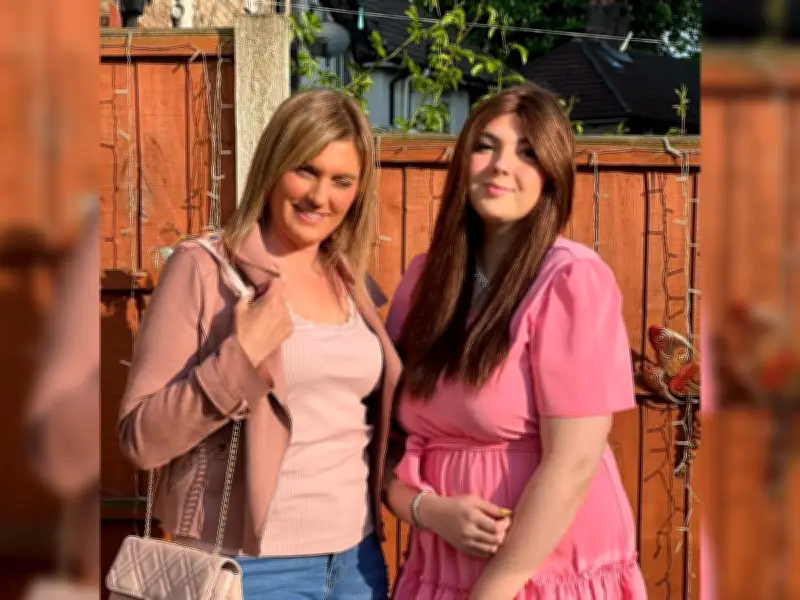
A woman who repeatedly complained about back pain has tragically died at the age of 22. Leah Smith, from Woolton, first experienced the symptoms at the start of 2018.
As previously reported by the ECHO, Leah later lost all feeling in her left leg, which made her realize something was seriously wrong, but doctors struggled to identify the cause. Her mother, Jenny, said: “She had pain in her lower back on the left side. We kept going to the doctors about it, but with her being so young and the observations coming back all healthy, they were scratching their heads. We had various scans done and nothing ever showed up. After 10 months of back and forth, Leah was in so much pain that she collapsed and we got rushed to hospital.”
In October 2019, Leah was eventually diagnosed with Ewing's sarcoma, a rare form of cancer affecting bones and soft tissue. The condition primarily affects children and young people, with most cases diagnosed between ages 10 and 20. Leah built a sizable following on TikTok, documenting her life with the condition before she passed away on the morning of March 11, 2024.

Jenny is now supporting a petition calling for the government to mandate cancer training for all GPs in England. This would require all GPs to complete mandatory, standardized training on cancer red-flag symptoms, with formal assessment, regular revalidation, NHS England regulation, and General Medical Council (GMC) linkage to improve early diagnosis. Jenny and her son Liam believe Leah’s life could have been saved with an earlier diagnosis.
The ECHO approached the Department of Health and Social Care for comment. In a statement issued earlier this month to CambridgeshireLive in response to the petition, a government spokesperson said it is “taking action to improve early diagnosis.” They added that, while the requests of the petitioners sit outside the direct remit of the government, it remains “committed to improving the diagnosis, treatment, and outcomes of people with cancer of all ages.”
Speaking to the ECHO about why she is backing the campaign, Jenny, 41, also from Woolton, said: “As soon as I saw it, I was like, ‘oh my God, we've got to help with that, that definitely needs to happen.’ I really hope that it comes into play. From what I saw, it reached 10,000 signatures within five days, I think. Leah was about 10, 12 months back and forth to doctors. We got sent to every scan going apart from an MRI, the one that'll pick up cancer. I always say to Liam, I'm not angry with the doctors. The doctors did try, it's not their fault.”
Jenny believes mandated training could have saved her daughter’s life. She said: “[Mandated training] definitely could have [saved her life]. That's what we're noticing with Ewing's sarcoma - it's an aggressive tumour, but if people can catch it early, it can be helped. It's just a tumour and it just grows in one place. It doesn't spread until later on. When Leah was a teenager, they said that she was depressed and it caused chronic pain. Leah's been gone two years now, so it's eight years since Leah first walked into that doctor's office. And in that eight years, there have been so many young kids diagnosed with cancer and they need help.”
Jenny, together with her son Liam, has set up Leah’s Little Sunflowers. They hope the community interest company will provide means for those suffering with serious illnesses and their families to go on holiday, inspired by the trips they made with Leah before she died.
Earlier this month, the government referred to its National Cancer Plan and Jess’s Rule in response to the petition. The rule is named after Jessica Brady, who died in December 2020 at the age of 27 from cancer. The full government statement said: “Alongside the relevant bodies which set the standards and training curricula that doctors must follow, the Government is taking action to improve early diagnosis through the National Cancer Plan for England and the introduction of Jess’s Rule. While the requests of the petitioners sit outside the direct remit of the government, we are committed to improving the diagnosis, treatment, and outcomes of people with cancer of all ages.”

“The Government’s central ambition is that by 2035, three in four people diagnosed with cancer will be cancer-free or living well five years after diagnosis – up from roughly 60 per cent today. Achieving this would save hundreds of thousands of lives and make England a world leader in cancer survival. Improving outcomes in primary care will play a key role in this. Through initiatives in the National Cancer Plan, primary care teams will be equipped to spot signs that could indicate cancer.”
They added: “The training curriculum for postgraduate trainee GPs is set by the Royal College of General Practitioners (RCGP), and has to meet the standards set by the General Medical Council (GMC). The RCGP provides a number of resources on cancer prevention, diagnosis, and care for GPs, relevant for the primary care setting. All UK-registered doctors are expected to meet the professional standards set out in the GMC's Good Medical Practice. GPs are responsible for ensuring their own clinical knowledge remains up to date and for identifying learning needs as part of their continuing professional development. This activity should include taking account of new research and developments in guidance, such as that produced by the National Institute for Health and Care Excellence, to ensure that they can continue to provide high-quality care to all patients.”