After more than a decade of scientific debate, the true origins of the enigmatic 'Beachy Head woman' have finally been revealed. New DNA sequencing techniques have conclusively shown that the 2000-year-old skeleton is of local southern English ancestry, not the earliest known black Briton or a Mediterranean migrant as previously hypothesised.
The Decade-Long Archaeological Puzzle
The mystery began in 2012 when the skeleton was rediscovered in a box in the basement of Eastbourne Town Hall. It is believed the remains were originally found at the nearby Beachy Head headland in the 1950s. Initial DNA analysis, later featured in historian David Olusoga's 2016 BBC series Black and British: a Forgotten History, suggested she may have had recent sub-Saharan African ancestry. This was later revised to a possible Cypriot or Mediterranean origin, but these findings were based on poorly preserved genetic data and left unpublished.
Dr William Marsh, one of the scientists behind the new study, explained the breakthrough. "By using state-of-the-art DNA techniques and newly published genomes, we were able to determine the ancestry of the Beachy Head Woman with much greater precision than before," he said. "We show she carries genetic ancestry that is most similar to other individuals from the local population of Roman-era Britain."

New Insights into Life and Death
The re-examination of the skeleton using advanced forensic methods has painted a detailed picture of the young woman's life. Analysis indicates she was between 18 and 25 years old when she died and stood at just over four foot nine inches tall. A healed wound on her leg points to a serious but non-fatal injury sustained well before her death.
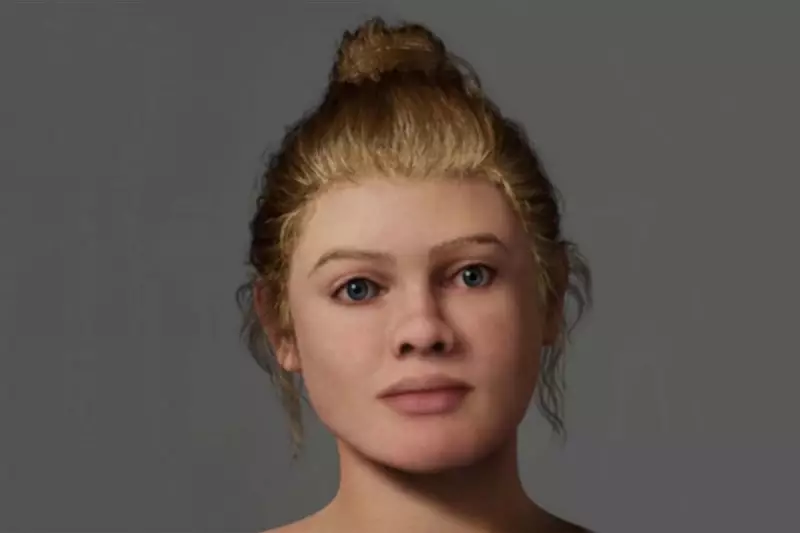
Further analysis predicted her physical appearance, suggesting she likely had light skin pigmentation, blue eyes, and fair hair. Chemical analysis of her bones also provided clues about her diet. Levels of carbon and nitrogen isotopes indicate her meals probably contained a significant amount of seafood.
Science as a Process of Evolution
Dr Selina Brace, an ancient DNA expert at the Natural History Museum and senior author of the research, emphasised that the skeleton's changing story represents the natural, evolving process of scientific discovery. "Our scientific knowledge and understanding is constantly evolving, and as scientists, it’s our job to keep pushing for answers," she stated.
"Thanks to the advancement of technology that has occurred in the past decade since Beachy Head woman first came to light, we are excited to report these new comprehensive data and share more about this individual and her life." The case underscores how cutting-edge ancient DNA analysis is continually refining our understanding of Britain's complex historical population.