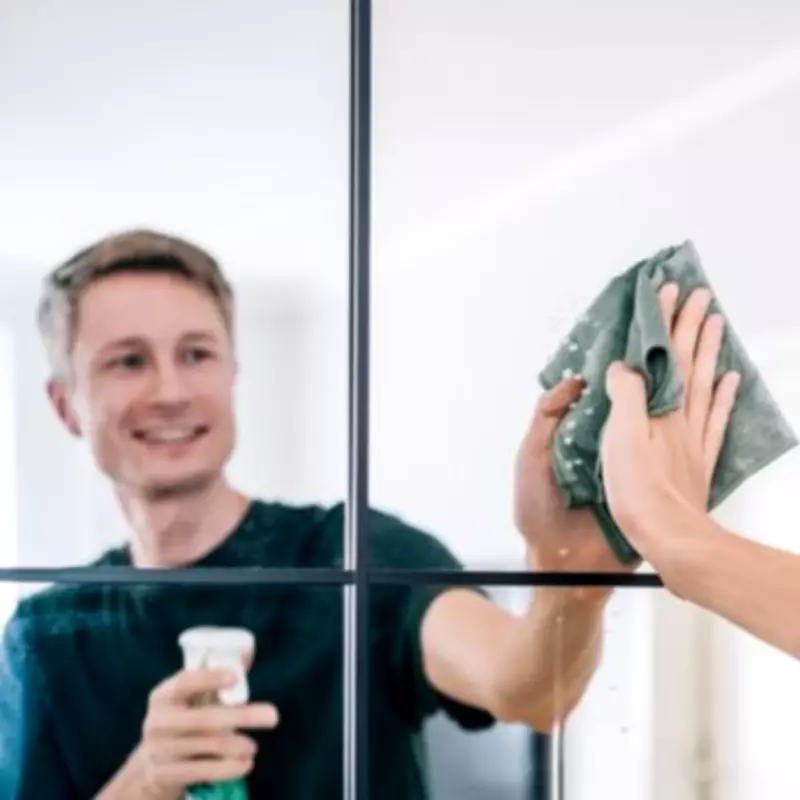
Cleaning and other household chores are now being embraced as acts of self-care by many Britons, according to a new poll. The survey of 2,000 adults found that activities such as ironing, washing the car, and deep-cleaning the bathroom rank among the most popular methods for supporting mental wellbeing. Alongside more conventional practices like yoga and beauty routines, these unexpected rituals highlight a shift in how self-care is defined.
The 'Care Effect' and Mental Wellbeing
For 57% of respondents, caring for something else—whether an object or a living thing—is considered a form of self-care. Cooking, gardening, and pet ownership all feature in the top 30 list of self-care activities. On average, adults practise self-care four times a week, totalling just over three hours. This typically occurs after a stressful day or during emotional lows, but the primary motivation is simply to enjoy personal time.
The research, commissioned by CASIO to mark Mental Health Awareness Week, highlights the 'Care Effect'. Dr Zoe Williams, who partnered with the brand, explained: "Self-care doesn't have to mean spa days or meditation; it can be found in caring for something else, whether that's a plant or a treasured object. This creates an external form of mindfulness, helping to calm the nervous system, clear the mind, and restore balance."

Top 30 Most Popular Self-Care Methods
- Going for a walk
- Reading
- Listening to music/podcasts
- Having a bath or long shower
- Doing absolutely nothing (resting)
- Exercising (gym/home workout)
- Skincare / beauty routine
- Having a lie-in
- Watching 'trash TV' / reality TV
- Gardening (including mowing, weeding, potting plants)
- Hair appointment / nails appointment
- Tidying/decluttering a room
- Cooking a meal from scratch
- Laughing at memes / scrolling funny content
- Yoga / stretching
- Meditation / breathing exercises
- Looking after a pet (feeding, grooming, walking, training)
- Watering/looking after indoor plants
- Baking
- Cutting/filing your nails at home
- Making the bed / changing bedding
- Doing DIY repairs (small fixes around the house)
- Organising cupboards/wardrobes
- Deep cleaning (e.g., bathroom/kitchen)
- Doing laundry / folding clothes
- Meal prepping for the week
- Journalling
- Washing/cleaning the car
- Polishing/cleaning household items (e.g., surfaces, silver, shoes)
- Ironing
Educating Children on Self-Care
The study also reveals that 89% of adults believe it is crucial to teach children about self-care from an early age. This includes fostering healthier sleep, hygiene, and nutritional habits, as well as helping them manage emotions and stress—all of which contribute to mental wellbeing.
A spokesperson for CASIO, makers of Moflin—a smart AI companion designed to help people relax—commented: "As the study shows, looking after something else has major benefits to oneself. Whether that's tending to your home, your car, or even a pet, these small acts can create a sense of calm and control, especially when life feels busy or overwhelming. There's a real emotional reward in caring for something outside of yourself."
Interestingly, 27% of respondents expressed interest in incorporating AI into their self-care routine for comfort and emotional regulation. Industry figures suggest the market for emotionally supportive AI is set to surge from approximately £666 million in 2022 to £2.2 billion by next year.