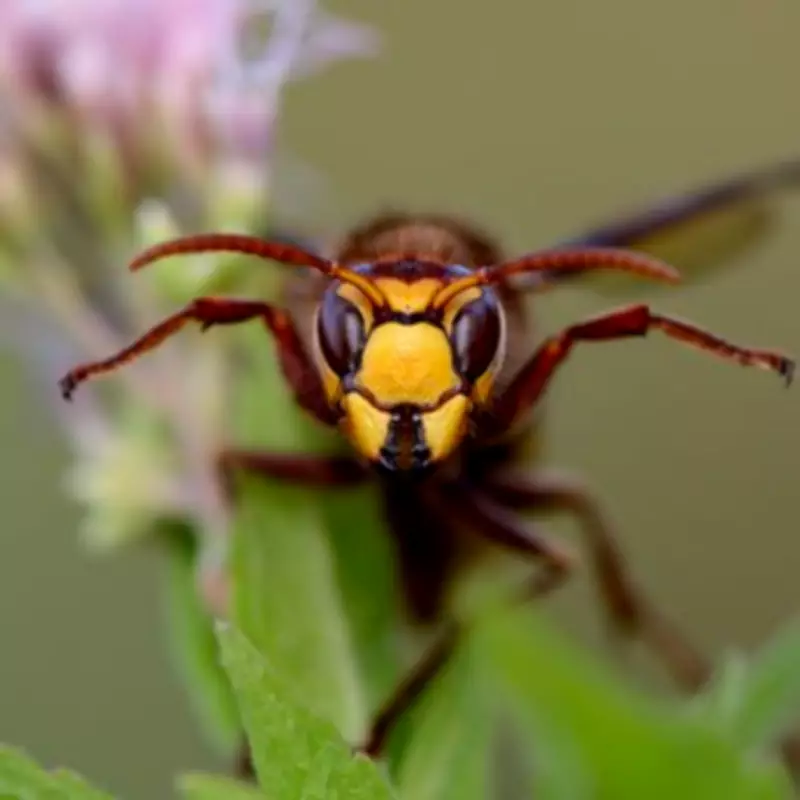
Wasps will think twice before invading your garden this summer if they spot one of these 'decoys' hanging up. Gardening specialist and TikTok content creator Ish (@Gardening.with.ish) said that the black-and-yellow insects will look at other places to call home if they encounter one of these homemade nests.
He said: "As it's getting warmer, wasps might look around your garden and home looking for places to make nests. They're incredibly territorial, so if they see a nest that exists, they won't make one anywhere near."
People can choose to purchase a fake wasp nest from online retailers like Amazon, B&Q and Shein for as little as 70p. However, it's entirely possible to achieve this trick using items that are probably already scattered around the house.

A straightforward DIY alternative could be created using a string and a plastic bag. Ish claims: "Take a black plastic bag and roll it in on itself until you reach a corner. Tie that in place and, as you can see, it's starting to make a pretty good wasp nest shape."
Stuff another bag inside the nest before securing it to help the 'nest' maintain its shape. Once prepared, hang it in the garden where it's visible to local wasps, reports the Express.
Ish said: "It may not be the most aesthetically pleasing, but a wasp will see this and think it is another nest. It will then stay away during the spring and the rest of the summer."
"It is a really safe, non-toxic way of keeping wasps away from your home, because they'll just nest elsewhere." Ish also suggested that these decoys could prevent wasps from setting up home in attics and porches if one is placed there as well.
Wandering wasps will recognise the boundary drawn by this 'nest' and will naturally steer clear to avoid fighting with a defensive colony. If a colony is already established, hanging a fake nest will be useless.
What keeps attracting wasps to my garden?
Wasps are typically drawn to gardens in pursuit of food, water, and nesting materials. During early summer, wasps seek out garden pests and insects to nourish their larvae, while by late summer their dietary requirements shift towards sugar, making ripe fruit, sweet drinks, and uncovered bins impossible to resist.
By reducing these appealing factors, most wasps will pick a different garden where food and water are more readily available. Despite being regarded as a nuisance by many, wasps play an important role in our ecosystem.
They serve as nature's own pest controllers, preying on vast numbers of insects that damage crops and gardens, while also acting as crucial pollinators for numerous plants. Wasps or their nests should only be removed if they pose an immediate safety concern, such as being near doorways or if someone has severe allergies. Otherwise, it's far better to leave them undisturbed.
Tackling a wasp problem can be highly dangerous, particularly if you have an allergy or the colony has grown considerably. Children, the elderly, pets and allergy sufferers are especially vulnerable to wasp stings. If in doubt, contact a local pest control service for professional assistance.