PDRN: The Next Big Skincare Ingredient Explained by Experts
Every few years, a new hero ingredient emerges in the skincare world. Hyaluronic acid is celebrated for deep hydration, vitamin C for radiant glow, and retinol for anti-ageing prowess. As we approach 2026, PDRN is stepping into the spotlight. But what exactly is this compound, and how should it be integrated into daily routines?
Already a staple in medical aesthetics and K-beauty, which has dominated social media and beauty aisles over the past year, PDRN is being hailed as the next generation of barrier-first, recovery-led skincare. Consequently, consumers can expect to see it featured prominently in high-street launches in the coming months, with many formulations leveraging the ingredient to deliver bouncy, hydrated, and protected skin.
Understanding PDRN: The Science Behind 'Salmon DNA'
PDRN stands for polydeoxyribonucleotide, a biological compound composed of short DNA fragments. In skincare, it is most commonly derived from purified salmon DNA, though fermentation-based and vegan alternatives are now emerging.

Dr Ewa Kania, an aesthetic doctor and regenerative skin specialist, explained: "PDRN is a DNA-fragment-derived regenerative ingredient originally developed for medical wound healing. In skin, it signals fibroblasts and other cells to support collagen and elastin synthesis, enhance barrier repair, improve hydration, and reduce low-grade inflammation."
Consultant Dermatologist Dr Aiza Jamil added that PDRN has long been used in clinical dermatology before transitioning into at-home products. She noted: "It acts as a regenerative ingredient that interacts with cellular mechanisms involved in repair and homeostasis. Originally used in aesthetic and medical dermatology for wound healing, it is now formulated into topical products like serums, creams, ampoules, and toners."
How PDRN Benefits the Skin
Unlike traditional actives such as retinols or AHAs that exfoliate and resurface, PDRN works by supporting the skin's own repair systems.
Dr Aiza Jamil stated: "PDRN stimulates pathways involved in tissue repair and cellular renewal. It also improves the skin's hydration through enhancing moisture retention and structural resilience, supporting the skin's barrier function." According to cosmetic dermatologists, the ingredient is believed to help improve elasticity and texture by influencing collagen pathways and stimulating fibroblasts.
Key benefits of using PDRN topically include:
- Improved barrier strength and resilience
- Enhanced hydration and plumpness
- Calmer, less inflamed skin
- Gradual improvements in elasticity and texture
Dr Ross Perry, Medical Director of Cosmedics Skin Clinics, describes it as a long-game ingredient. "PDRN encourages the skin to repair itself more efficiently. It helps kick-start fibroblast activity—the cells responsible for collagen and elastin—improving skin quality over time rather than offering a short-term cosmetic fix." He emphasised that it is not about dramatic overnight changes but about enhancing how the skin functions long term.
Why PDRN Will Dominate Skincare in 2026
On TikTok, PDRN has gained viral traction thanks to its nickname, "salmon DNA skincare." The hashtag #PDRN already boasts over 180,000 posts, while #GlassSkin has surpassed 1.3 million. Searches for K-beauty on TikTok Shop increased by 125% in the last six months of 2025, with #kbeauty now the third most-used beauty hashtag in the UK.
Grace Vernon, Head of Boots Ignite, Foresight & Trends, confirmed that PDRN is firmly on the retailer's radar. "As seen in the Boots Beauty & Wellness Trend Report 2026, PDRN is shaping up to be 2026's buzziest skincare ingredient. It's a popular aesthetic treatment, where PDRN is injected straight into the skin to improve regeneration—but skincare products offer a more accessible way to get the benefits, and a lot less painful!"

Dr Ewa Kania added: "The shift toward 'recovery-first' skincare has driven interest in scientifically grounded actives. Consumers and brands are moving away from aggressive exfoliation and stripping routines toward barrier-supportive, regenerative ingredients. PDRN bridges clinic and daily care with a strong regenerative narrative."
Dr Aiza Jamil agrees: "Trends such as regenerative treatments and repair and recovery for our skin barrier have become very popular in the past few years, which PDRN champions, so it's no wonder it is believed to become a leading skincare trend for 2026. Repair and regeneration have replaced the 'anti-ageing' rhetoric. People are focused on cell turnover, barrier protection, and hydration from a younger age."
For those with sensitive or reactive skin from previous aggressive routines, PDRN may offer a soothing alternative.
Who Should Use PDRN and How to Incorporate It
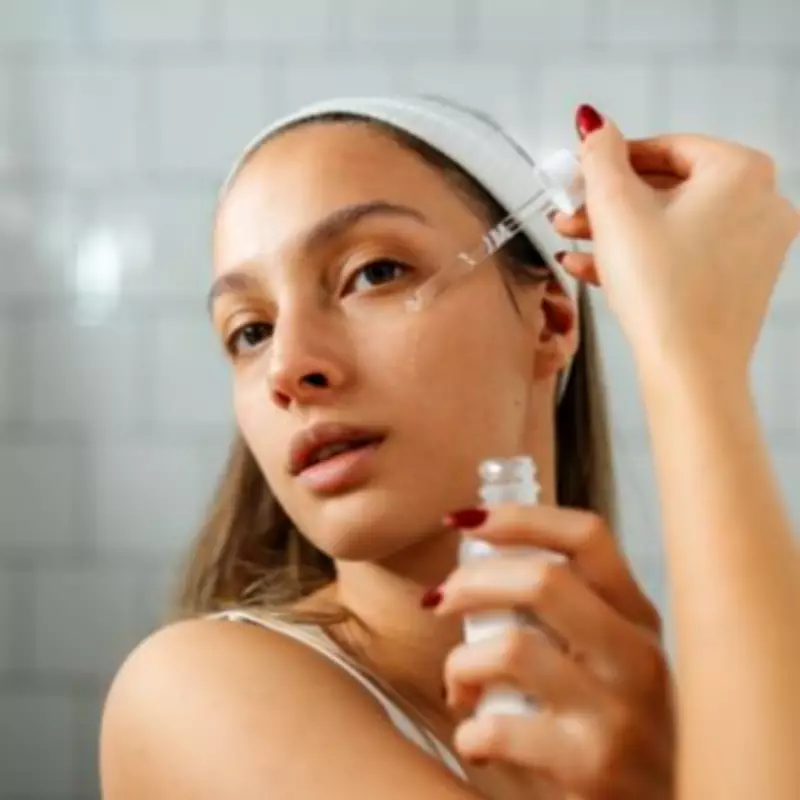
PDRN works best as a supportive, daily active rather than a once-a-week treatment. It layers easily with retinoids, acids, and vitamin C, making it ideal for both morning and nightly use. In morning routines, it delivers a hydration boost, while evening use is reportedly most effective, working overnight to support skin regeneration.
Regarding suitability, Dr Aiza Jamil suggests it is typically safe for almost all skin types. "It's generally quite safe for those with sensitive or acne-prone skin. I would stress that PDRN on its own isn't a miracle worker, but it's extremely beneficial for recovery, regeneration, and barrier support when included in a routine."
It is important to note that topical products will not replicate injectable results, but they are excellent for maintenance, prevention, and long-term skin health, especially between in-clinic treatments. Dr Ewa Kania added: "Clinically, PDRN fits post-procedure and sensitive skin protocols beautifully. I emphasise repair, resilience, and measured results over hype, which helps set realistic expectations while leveraging its robust biological rationale."
Top PDRN Product Recommendations for 2026
The PDRN market in the UK is expanding rapidly with K-beauty imports and homegrown launches. Dr Ewa Kania recommends several affordable high-street options, ranging from post-procedure care to TikTok favourites.
- Dr Reju-All Advanced PDRN Rejuvenating Cream (£32.89 at Superdrug): Described as excellent for post-procedure repair and barrier support, this cream is often sold out at Korean pharmacies. Designed for oily, dry, and combination skin types, it helps the skin recover from daily environmental stress while restoring hydration, glow, and firmness overnight.
- Anua PDRN Hyaluronic Acid Capsule 100 Serum (£20 at LookFantastic): A great affordable option for sensitive or retinoid-averse skin, according to Dr Kania. Dr Aiza Jamil also favours Anua, particularly their PDRN Hyaluronic Acid 100 Moisturising Cream, formulated to provide deep hydration and barrier protection.
- Medicube's PDRN Pink Peptide Serum (£24 at Boots): A TikTok favourite praised by Dr Kania for balancing hydration, radiance, and elasticity. One shopper commented on its effectiveness for dry skin, though another noted breakouts, highlighting that not every product suits all users. Patch testing is advised, especially for those with fish allergies.
- Yepoda The Skinject Effect: A vegan alternative made with exosomes and microspicule delivery, appealing to ethically minded clients. Its gentle formula refines skin over time, stimulates collagen production, and supports the skin's natural barrier.
- Boots PDRN Serum (£8, launched January 2026): Part of a capsule skincare range influenced by K-beauty, this serum leaves skin feeling firmer, more supple, and radiant. Personal testing over two weeks showed a marked improvement in skin appearance, with users reporting enhanced hydration and a healthy glow.
The Bottom Line on PDRN Skincare
PDRN is not here to replace staples like retinol or hyaluronic acid but slots effortlessly into most skincare routines as an additional boost for skin health and glow. As Dr Ross Perry summarises: "It's not a miracle ingredient. But as part of a considered skincare plan, it can significantly improve how skin behaves, heals, and ages." Expect to see much more of PDRN in 2026, solidifying its status as a key trend in the beauty industry.