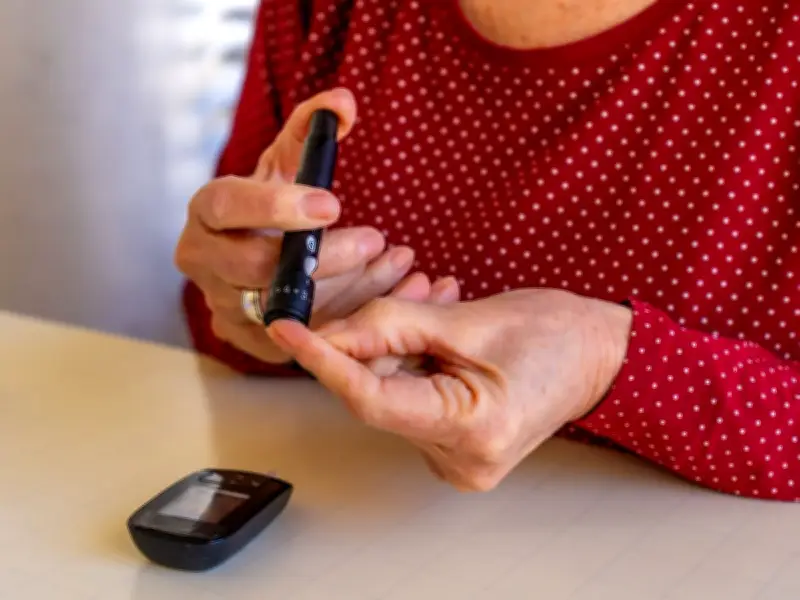
A pharmacist is urging people to recognise a key diabetes symptom that is often overlooked, especially during the summer months. The early warning sign, frequent urination, is frequently dismissed as a normal response to warmer weather, but it could indicate undiagnosed diabetes.
Diabetes in the UK
According to Diabetes UK, nearly six million people in the UK are living with diabetes. This includes over 4.7 million with a confirmed diagnosis and an estimated 1.3 million who are unaware they have the condition. Undiagnosed diabetes can lead to serious health complications, including blindness, heart disease, kidney and nerve damage, and amputations, as warned by Yorkshire Care Alliance.
Early Detection is Crucial
Yorkshire Care Alliance emphasises that early detection of pre-diabetes is vital to prevent Type 2 diabetes and its complications. Many people with undiagnosed diabetes may not show symptoms for years, but untreated diabetes can cause severe health issues affecting the heart, eyes, feet, nerves, and kidneys.

The Easily Missed Symptom
Health experts from Chemist Click highlight that needing to urinate more frequently than usual, particularly when accompanied by increased thirst or unexplained fatigue, could be a key sign of diabetes. Abbas Kanani, Superintendent Pharmacist at Chemist Click, explains that frequent urination, known medically as polyuria, occurs when high blood sugar levels cause the kidneys to work harder to remove excess glucose, leading to increased fluid loss.
Kanani notes that this symptom is often most noticeable at night, with people waking up more frequently to use the toilet. While this symptom alone does not confirm diabetes, it should not be ignored if it becomes persistent or is accompanied by other changes such as increased thirst, tiredness, or unexplained weight changes. He advises speaking to a healthcare professional and getting blood sugar levels checked.
Understanding Diabetes
There are two main types of diabetes: type 1 and type 2. Type 2 is more common, but about 8% of people with diabetes have type 1. Type 1 occurs when the body fails to produce enough insulin, requiring daily insulin injections. It is often diagnosed in childhood but can occur at any age and cannot be prevented. Type 2 diabetes is linked to being overweight, inactive, or having a family history of the condition. It can often be managed through diet and medication.
Symptoms to Watch For
The NHS lists common symptoms of both type 1 and type 2 diabetes, including peeing more than usual, feeling thirsty all the time, feeling very tired, and losing weight without trying. Other symptoms include itching around the penis or vagina, cuts or wounds taking longer to heal, and blurred vision. Additional symptoms specific to type 1 diabetes include breath that smells sweet or fruity and frequent infections that do not get better.
The NHS advises seeing a GP if you have any symptoms of diabetes or are concerned about your risk. Early diagnosis and treatment reduce the risk of other health problems.