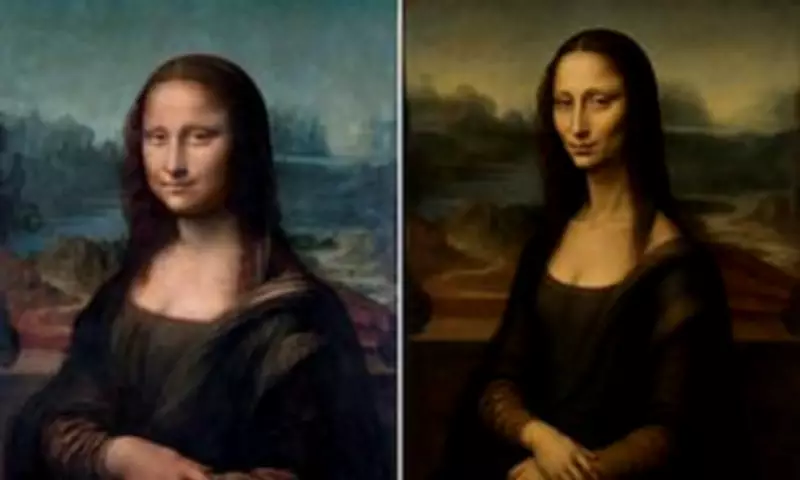
Future masterpieces may portray women as 'gaunt and tired' due to trendy weight loss jabs, unlike the 'fat and unhealthy' Mona Lisa, according to a leading obesity doctor. Experts believe that the smiling woman in Leonardo da Vinci's 16th-century portrait was overweight, possibly with high cholesterol or an underactive thyroid.
Changing Beauty Standards in Art
Dr. Michael Yafi, a pediatrician at the University of Texas Houston, noted that in the past, fat women were considered beautiful. Many prominent artists depicted female models with bulging waistlines and ample curves. However, Dr. Yafi believes that as weight loss jabs become widespread, future paintings will likely show women as unusually thin.
Historical Perspective on Obesity
Speaking at the European Congress on Obesity in Istanbul, Dr. Yafi said: 'Obesity has an interesting history. Although currently it might be looked at in a negative way, in the past it was not. Strong men, leaders, royal families, religious people, and high society individuals were portrayed with high BMI. Beautiful women and models were also portrayed with high BMI. Women with obesity used to be models, but current models are almost anorexic, which is not good for you either.'

The Mona Lisa's Health
The Mona Lisa, one of the world's most famous paintings, was insured for nearly £54 million in 1962, a Guinness World Record equivalent to £1 billion today. Completed by da Vinci in the early 1500s, it now hangs in the Louvre Museum in Paris. It is believed to depict Italian woman Lisa del Giocondo, also known as Lisa Gherardini.
Dr. Yafi commented: 'Lisa is shown with excessive body fat. There are many theories about her, and the most recent paper suggested she had a problem with her BMI and severe hypothyroidism. We don't know because we cannot go back and make a diagnosis; we are just analysing her features. A simpler explanation is that she had put on weight in pregnancy. After all, she'd had four children by this time. This is probably the most famous painting in art history, and there are many papers about finding a medical diagnosis. I think it's fun.'
Other Historical Figures
Dr. Yafi noted that composers Bach and Handel were also depicted as fat and likely had type 2 diabetes, which caused them to lose their vision. Angels and cherubs were usually overweight, showing that it was considered good.
Future Art and GLP-1 Drugs
Dr. Yafi said that women in future paintings might have gaunt, bony faces due to GLP-1 weight loss jabs like Wegovy and Mounjaro. He added: 'I think that as more people use these drugs, GLP-1 face will be depicted in art. The face can develop an aged or tired look due to rapid fat loss in the cheeks, temples, and under-eye areas. I am sure that if Picasso had been alive today, he would have painted it.'