In today's digital age, wellness influencers often lack legitimate medical qualifications, yet they command massive audiences and influence health decisions. Oncologist Ranjana Srivastava warns that dismissing these influencers is perilous, as patients increasingly follow their advice over that of qualified professionals.
The Rise of Wellness Influencers
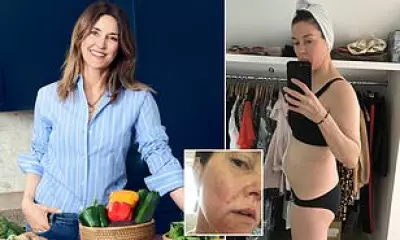
Social media platforms like Instagram and TikTok have given rise to a new breed of health advisors. According to a large study, only 17% of conventional doctors, dentists, and nurses engage as influencers, while 31% are life coaches, 28% are business owners selling products, and 16% offer no credentials at all, relying instead on 'lived experience.' These influencers often have hundreds of thousands to millions of followers, numbers that doctors can only dream of reaching.
Risks to Patients
Patients following influencer advice may face serious health consequences. For example, cancer patients have been known to stop eating red meat, believing it dilutes chemotherapy, or adopt extreme diets that exacerbate their conditions. Some even turn to unproven treatments like ivermectin for cancer, a trend every oncologist encounters. Such misinformation can lead to malnutrition, uncontrolled blood sugar, and worse outcomes.

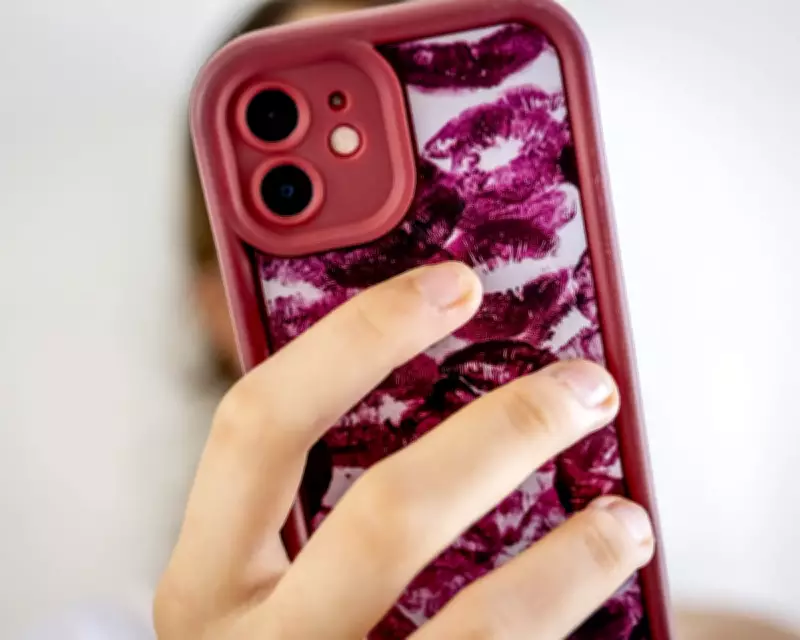
Half of US adults under 50 and two-thirds of Australian teenagers get health information from social media, yet few can distinguish fact from fiction. China has banned unqualified influencers from offering health advice, but other countries lag behind.
Why Trust in Doctors is Declining
Trust in doctors has not recovered post-pandemic. High medical bills, rare but damaging physician misconduct, and tragic errors erode confidence. However, doctors are regulated and accountable, unlike influencers. The rise of influencers exploiting this trust gap is concerning, especially for vulnerable populations like those with cancer or mental health issues.
What Can Be Done?
Doctors cannot simply dismiss influencers; they must engage. Srivastava suggests taking time to understand patients' perspectives, supporting credible professional influencers, and having institutions educate the public about the dangers of unqualified advice. Simple measures like posters in waiting rooms in multiple languages can help. Outrage rarely changes minds, but calmly explaining evidence, acknowledging medicine's limitations, and leaving the door open for dialogue can be effective.
As an oncologist, Srivastava has seen the worst harm from wellness influencers but believes that patient education and empathy are key. By becoming better communicators, doctors can reclaim their role as trusted wellness guides.