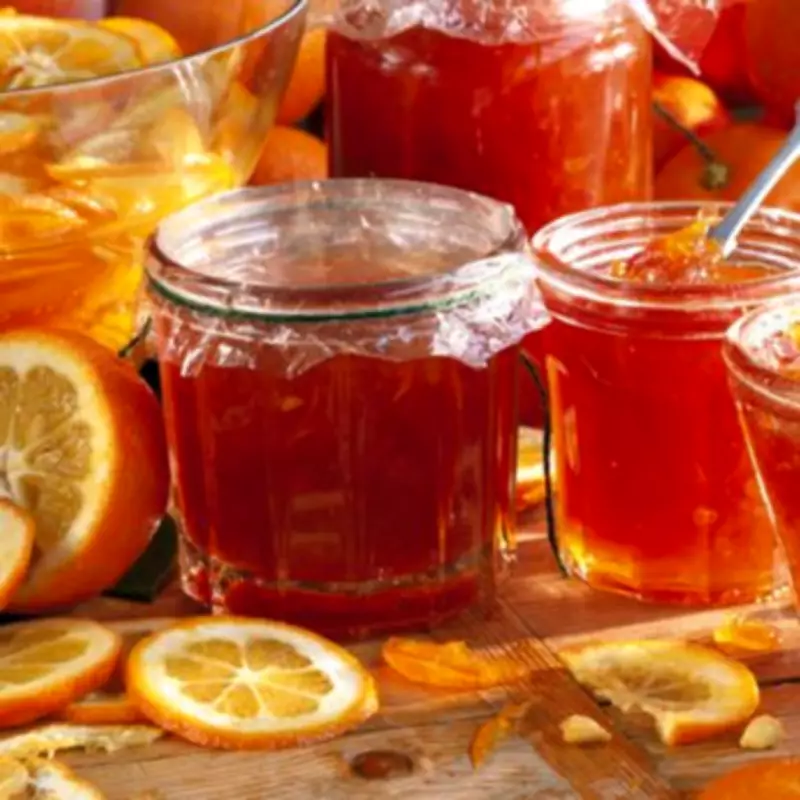
Brexit Deal Signals Major Change for Marmalade Under EU Rules
A significant alteration to UK supermarket shelves could soon come into effect, fundamentally changing a beloved British breakfast favourite. Marmalade, a long-standing classic in British food cupboards, is facing an official rebrand as part of a new post-Brexit agreement negotiated with the European Union.
New Labelling Requirements for the Classic Spread
The much-loved spread may soon look distinctly different on packaging due to updated government food regulations. If the deal proceeds as planned, traditional marmalade will be required to change its title to "citrus marmalade" in all supermarkets and retail shops across the United Kingdom. This represents one of several post-Brexit agreements established between the UK and EU since the nation's departure from the union.
Historical Context of Marmalade Regulations
Previously, certain EU food regulations were incorporated into UK law, meaning that before Brexit, only preserves made specifically with citrus fruits could legally be marketed as marmalade. Preserves utilizing any other type of fruit had to be sold as jams or equivalent products under various European language terms. These historical regulations created complications in some EU nations where words resembling "marmalade" are commonly used for diverse fruit spreads.

For example, in Spain and Italy, the terms mermelada and marmellata respectively refer to spreads made from non-citrus fruits such as plums and berries. The original strict naming rules for marmalade originated from extensive lobbying during the 1970s, which successfully advocated for the citrus spread to obtain special protected status. Orange marmalade became particularly associated with British culture through iconic references like Paddington Bear and his famous marmalade sandwiches.
Updated EU Rules and Implementation Timeline
Since Brexit, Brussels has comprehensively revised the previously UK-focused regulations concerning marmalade. According to BBC reports, starting in June, all countries within the European Union will be permitted to sell spreads produced from non-citrus fruits under the marmalade designation. However, these updated regulations simultaneously mandate that traditional marmalade made from oranges and other citrus fruits can no longer use their conventional name and must instead be marketed as "citrus marmalade."
This labelling change will first take effect in Northern Ireland during the upcoming summer months, following a specialized framework agreement that allows the region to maintain certain food laws aligned with EU standards. The modification represents a tangible example of how post-Brexit trade arrangements continue to influence everyday consumer products and traditional British food items.