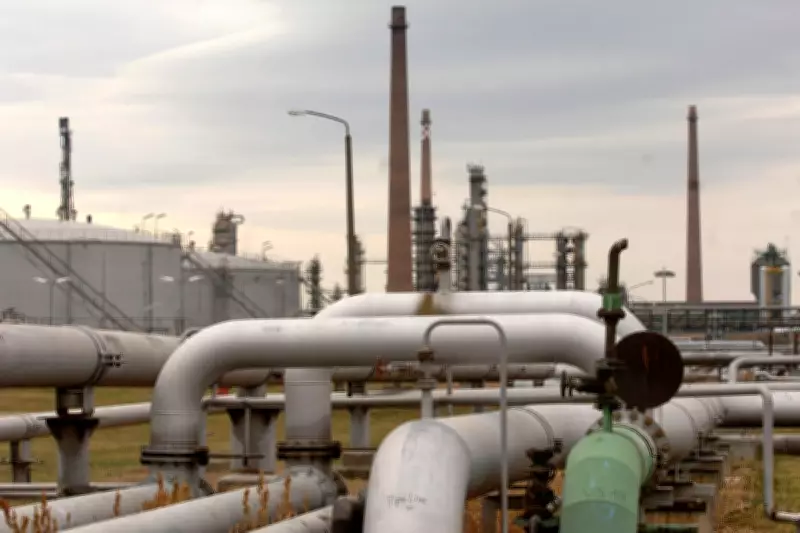
Hungary Suspends Diesel Shipments to Ukraine Over Russian Oil Pipeline Dispute
Hungary has announced it is halting all diesel shipments to neighbouring Ukraine until interruptions to Russian oil supplies via a key pipeline crossing Ukrainian territory are fully resolved. The decision was confirmed by Hungarian Foreign Minister Péter Szijjártó in a video statement posted on social media on Wednesday, 18 February 2026.
Pipeline Disruption Sparks Accusations
Russian oil shipments to Hungary and Slovakia have been interrupted since 27 January, following what Ukrainian officials describe as Russian attacks that damaged the Druzhba pipeline. This critical infrastructure carries Russian crude oil into Central Europe, and the disruption has led to a sharp escalation in diplomatic tensions.
Hungary and Slovakia, both of which hold temporary exemptions from the European Union's policy prohibiting imports of Russian oil, have accused Ukraine of deliberately holding up supplies. However, neither country has provided concrete evidence to support these claims. In his statement, Szijjártó asserted that the interruption to oil deliveries was "a political decision made by the Ukrainian president himself." Ukraine has firmly denied these accusations, labelling them as baseless and politically motivated.
Hungary's Energy Stance and Political Context
As nearly every other European nation has significantly reduced or entirely ceased Russian energy imports in response to Moscow's war in Ukraine, Hungary has maintained and even increased its reliance on Russian oil and gas. Since the invasion began in February 2022, Hungary, a member of both the EU and NATO, has argued that Russian fossil fuels are indispensable for its economic stability.
Prime Minister Viktor Orbán, a nationalist leader widely seen as the Kremlin's biggest advocate within the EU, has long contended that switching to alternative energy sources would trigger an immediate economic collapse—a position some energy experts dispute. Orbán has vigorously opposed EU efforts to sanction Moscow over its invasion and has criticised attempts to target Russia's energy revenues, which help finance the war effort.
With what promises to be the most challenging election of his 16-year tenure approaching in April, Orbán has launched an aggressive campaign that frames Ukraine as an existential threat to Hungary and positions himself as the sole guarantor of national security. This suspension of diesel shipments aligns with his anti-Ukraine and anti-EU rhetoric, aiming to rally voter support by emphasising energy sovereignty and perceived external dangers.
Regional Responses and Energy Security
Szijjártó emphasised that Hungary possesses sufficient oil reserves to last more than three months, assuring the public that its energy security remains intact. Meanwhile, following the Druzhba pipeline disruption in late January, the Hungarian government sought assistance from neighbouring Croatia to allow Russian oil delivered by sea to be pumped to refineries in Hungary and Slovakia via the Adria pipeline.
Croatian Economy Minister Ante Šušnjar responded by stating that his country would not allow energy supplies in Central Europe to be threatened, but he pushed back on Hungary's request. In a post on social media platform X on Monday, Šušnjar argued that there are "no technical excuses left for staying tied to Russian crude for any EU country." He added, "A barrel bought from Russia may appear cheaper to some countries, but helps fund war and attacks on Ukrainian people."
This regional disagreement underscores the broader geopolitical fissures within Europe regarding energy policy and support for Ukraine. As the dispute over Russian oil flows continues, the suspension of diesel shipments from Hungary to Ukraine marks a significant deterioration in bilateral relations, with potential implications for regional stability and energy markets.