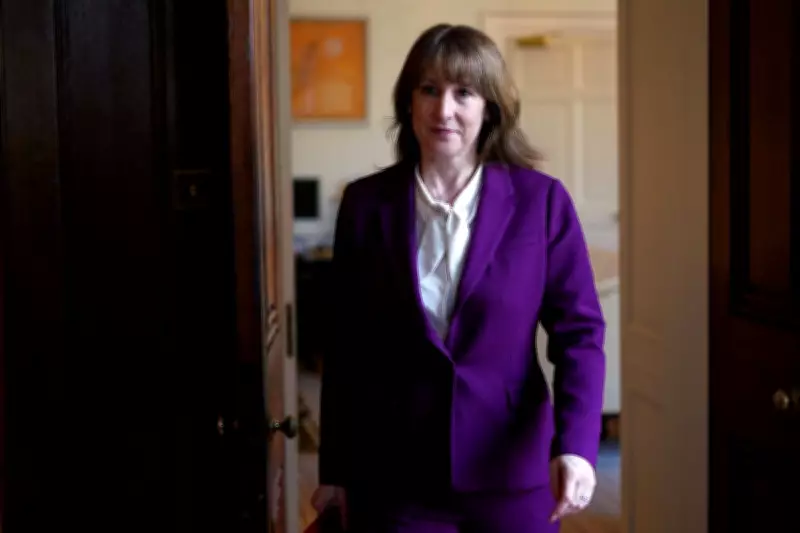
Reeves Declares Brexit Harmful, Urges Closer EU Alignment for Economic Growth
Chancellor Rachel Reeves has delivered a stark assessment of Brexit, asserting that Britain's departure from the European Union has not benefited the country. In a significant policy statement, she emphasised that forging closer ties with the EU represents the "biggest prize" for the UK's economic future. This declaration comes as the nation grapples with stagnant economic growth and persistent concerns over the escalating cost of living.
Economic Challenges and the Push for Alignment
Speaking ahead of her Mais lecture in the City of London, Reeves was unequivocal in her criticism. "Brexit has not been good for our country, for growth, for prices in the shop," she told The Times. While acknowledging that the 2016 referendum decision is irreversible, she argued there is "an awful lot we can do to improve our trading relations." Reeves insisted that where alignment with EU standards serves the national interest, the UK should "absolutely align."
This stance aligns with a broader governmental effort to reset Brexit relations. Ministers have intensified their critiques of Brexit in recent months, particularly around last year's Budget, contending that leaving the EU has inflicted greater economic damage than many anticipated. This positioning aims to distinguish the government from rivals like Reform UK.

Legislative Moves and Business Concerns
Prime Minister Sir Keir Starmer is preparing legislation that would empower ministers to align UK law with EU regulations in specific sectors. This bill, expected this year, focuses on areas such as food standards, animal welfare, and pesticide use—a process termed dynamic alignment. The goal is to reduce bureaucratic burdens and stimulate economic growth.
Reeves highlighted feedback from business leaders, noting meetings with a supermarket executive and a major conglomerate head who both described Brexit as causing significant economic strain. "These are two huge businesses saying it's difficult for us and it pushes up prices and costs," she reported, adding that for smaller enterprises, the challenges are even more severe.
Youth Mobility and Global Economic Pressures
Beyond trade, Reeves advocated for an "ambitious" youth mobility scheme with the EU, allowing young people to live and work across borders. She clarified that these ongoing negotiations do not signify a return to free movement but aim to foster cultural and economic exchange.
This push for closer EU ties unfolds against a backdrop of global economic instability. Escalating conflict in the Middle East has driven Brent crude oil prices above $100 per barrel, threatening to increase fuel and household energy costs worldwide. In the UK, official figures show economic growth flatlined in January, raising fears that soaring prices could trigger a recession.
Fiscal Resilience and Future Outlook
Despite these pressures, Reeves contended that Britain is better positioned to weather economic turbulence due to prudent fiscal choices. "It does show that we were right to do what we did the first year and a half because we are in a much stronger position economically and fiscally," she asserted. She reflected on inheriting an economy with high interest rates and borrowing costs, claiming that a year and a half of policy has secured a more stable foundation.
As the government advances its Brexit reset strategy, Reeves' comments underscore a pivotal shift toward pragmatic EU engagement, aiming to mitigate Brexit's economic fallout and harness alignment for national prosperity.