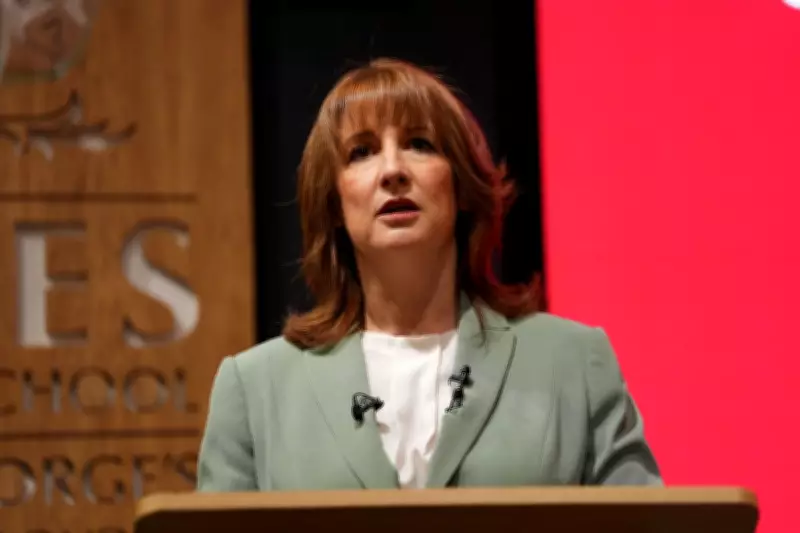
Chancellor Rachel Reeves Advocates for Closer EU Ties to Revitalise UK Economy
Chancellor Rachel Reeves has unveiled a significant policy shift, proposing that the United Kingdom should align more closely with European Union regulations to enhance trade, reduce consumer prices, and stimulate economic growth. In a major speech delivered at the Mais Lecture at Bayes Business School in London, Reeves emphasised that this strategic move is essential to prevent the UK from becoming "stranded" between competing global trading blocs.
Addressing Brexit's Economic Impact
Reeves acknowledged the "profound uncertainty" and economic damage caused by Brexit, estimating that it has reduced the UK's gross domestic product (GDP) by up to 8% and contributed to higher costs for both businesses and consumers. She stressed, however, that her goal is not to reverse Brexit but to establish a "new and stable future relationship" with Brussels, focusing on areas where alignment serves the national interest.
"Where it is in our national interest to align with EU regulation, we should be prepared to do so, including in further areas of the single market," Reeves stated. She outlined principles for alignment, including scenarios where it would lead to higher growth, increased investment, job creation, and consumer benefits, while preserving UK values, economic stability, and national security.

Political Challenges and Economic Priorities
The Chancellor recognised the political hurdles, noting that she must "make and win the political argument" with Brexit supporters who view regulatory divergence as a key benefit of leaving the EU. She argued that the UK's future prosperity depends on partnerships, particularly with European neighbours, stating, "Our fate as a country is inescapably bound with that of Europe."
Reeves positioned closer alignment as a sovereign choice aimed at boosting economic performance, claiming it could help lower inflation and provide certainty for businesses. She asserted that regulatory autonomy should be reserved only for sectors with unique characteristics or strategic importance, making it "the exception, not the norm."
Regional Growth and Devolution Plans
In addition to EU alignment, Reeves detailed ambitious plans to address regional economic disparities. She highlighted the underperformance of major UK cities outside London compared to their European counterparts and proposed fiscal devolution to empower local leaders.
Key initiatives include:
- Giving regional leaders control over a share of income tax and other national levies to invest in their areas.
- Establishing "city investment funds" backed by £2.3 billion, focused on northern England and the West Midlands, with retention of business rates.
- Publishing a plan for fiscal devolution alongside the upcoming budget later this year.
Reeves emphasised the potential economic gains, saying, "There are huge gains to be made if we can only close that gap, if we back Manchester and Liverpool and Leeds to match and overtake Stuttgart, Turin and Lyon."
Investment in Advanced Technologies
The Chancellor also announced significant funding for artificial intelligence (AI) and quantum technology to bolster the UK's tech sector:
- A £500 million sovereign AI unit to support AI firms in growing and remaining in the UK.
- An AI adoption summit scheduled for June.
- A new AI Economics Institute to study the impact of AI on employment.
- Up to £2 billion allocated over the next decade for quantum technology development.
Political Opposition and Criticism
Shadow Chancellor Sir Mel Stride criticised Reeves' focus on Brexit, accusing her of attempting to distract from Labour's economic management. He pointed to £66 billion in tax rises, stalled growth, collapsed business confidence, higher inflation, and rising unemployment under her tenure.
"Rachel Reeves wants to blame everybody else but herself for her dreadful management of the economy," Stride said. He argued that revisiting Brexit debates is a diversion from what he described as policy failures, labelling the Chancellor as "utterly deluded" and accusing her of "gaslighting the public."

Despite this opposition, Reeves remains steadfast, framing her proposals as a pragmatic path to economic resilience and growth through strengthened European partnerships and domestic innovation.