Downing Street has today declined to rule out potential retaliation in response to Donald Trump's latest aggressive trade measures. The US president has pledged to impose a sweeping 15 per cent tariff on imports from across the globe, following a dramatic Supreme Court ruling that struck down his previous 'liberation day' levies on Friday.
Businesses Warn of Severe Impact on UK Exports
British businesses have issued stark warnings that the United Kingdom could be among the nations worst affected by this new policy. Previously, UK exports faced a lower tariff rate of 10 per cent, meaning the increase to 15 per cent represents a significant additional burden. Analysts estimate that costs for UK goods exported to the United States could surge by as much as £3 billion annually.
Assurances on Preferential Deals Amid Rising Tensions
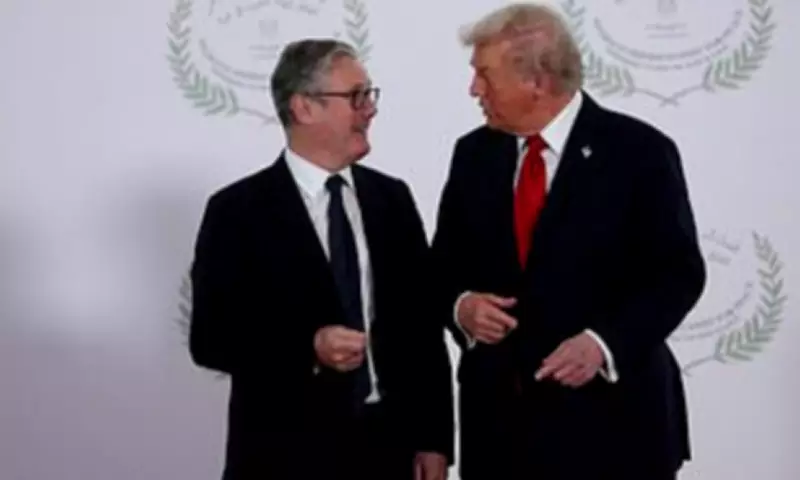
Number 10 has stated that it has received assurances from American officials that these new tariffs will not impact the preferential arrangements negotiated by Prime Minister Keir Starmer. These critical deals cover key sectors including steel, automobiles, and pharmaceuticals. However, the broader economic implications remain deeply concerning for UK exporters.

The Prime Minister's official spokesman confirmed that Business Secretary Peter Kyle has spoken directly with his US counterpart, Trade Representative Jamieson Greer, to explicitly underline the UK government's serious concerns regarding the proposed tariff increases.
Ongoing Diplomatic Discussions and Trade War Fears
Discussions are reportedly continuing at all levels between British and American officials to fully understand the operational mechanics and full scope of President Trump's new tariff regime. The UK government has indicated that it does not expect the majority of bilateral trade to be adversely affected, but tensions are undoubtedly rising.
The spokesman emphasised that "no one wants to see a trade war" escalate between the two historic allies, but pointedly added that "nothing is off the table at this stage," leaving the door open for potential countermeasures if deemed necessary.
Broader Pressure and Strategic Caution
There are growing fears within Whitehall that a furious President Trump may also intensify pressure on the United Kingdom to make concessions on other contentious trade issues. These could potentially include demands related to chlorinated chicken imports, pharmaceutical pricing structures, and regulations affecting major technology firms.
Prime Minister Keir Starmer has thus far adopted a notably cautious strategy, deliberately steering clear of any immediate retaliatory actions against previous US tariffs. This approach is designed to avoid triggering an even more damaging cycle of tit-for-tat economic measures. Instead, Sir Keir has consistently argued that mutually beneficial free trade arrangements serve the interests of both nations.
US Commitment to Existing Agreements
US Trade Representative Jamieson Greer sought to provide some reassurance, telling CBS News that the trade deal struck with Britain would remain firmly in place despite the broader tariff changes. "The deals were not premised on whether or not the emergency tariff litigation would rise or fall," Greer stated. "These deals are going to be good deals. We expect to stand by them. We expect our partners to stand by them."
Legal Background and Presidential Authority
The controversy stems from President Trump's initial use of 'emergency powers' to introduce reciprocal tariffs back in April. This move was subsequently ruled illegal by the US Supreme Court. In response, President Trump has now signed a new presidential order to reinstate these global levies. However, this action requires formal approval from the US Congress within a 150-day window to become permanent, setting the stage for further political debate in Washington.