Indirect talks between the United States and Iran have made “positive progress,” according to mediators, despite recent clashes over the strategic Strait of Hormuz. The waterway remains a flashpoint in the fragile interim ceasefire brokered between the two sides, following an exchange of fire after a cargo ship was attacked.
Trump's Claims Contradict Maritime Data
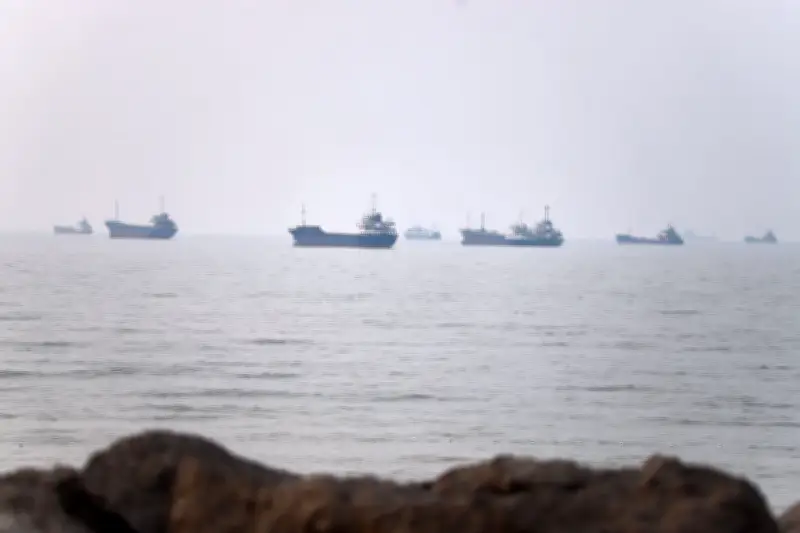
Former President Donald Trump has claimed that the number of ships using the Strait of Hormuz is “setting records.” However, independent maritime monitoring indicates that vessel passages remain well below pre-conflict levels amid ongoing security concerns. Marine Traffic, a global ship tracking service, recorded 34 verified crossings on the most recent day available, compared to more than 120 before the war.
Ending Tehran’s stranglehold on the sea route—which disrupted global oil and gas supplies and drove up fuel and food prices—had been a key demand in negotiations. The initial deal, known as the Islamabad memorandum of understanding, secures safe, toll-free passage for 60 days pending a final agreement on Iran’s disputed nuclear plans.

Key Details of the Islamabad Memorandum
The pact leaves it to Iran and Oman, in conjunction with other Gulf states, to “define the future administration and maritime services in the Strait of Hormuz.” In the meantime, Iran has continued to exert leverage, demanding ships seek permission to transit and raising the prospect of future charges. Tehran has also insisted it alone will carry out mine clearance in the strait, casting doubt on a planned UK and French-led mission to ensure safe passage.
During a visit to a naval air station, US Vice President JD Vance said America was “negotiating from a position of strength” as a result of its military. He confirmed that discussions in the Qatari capital Doha, conducted through mediators, had centred on commercial traffic through the Strait of Hormuz. “Obviously, we’re worried about the nuclear issue. We’re going to start talking about that,” Vance said.
Mediators Report Positive Progress
A spokesman for Qatar’s foreign ministry wrote on X: “Qatar & Pakistan mediators concluded separate meetings with the US & Iranian negotiators in Doha today, with positive progress made on issues related to the Islamabad memorandum of understanding, building on the outcomes of the Lake Lucerne summit. The parties agreed to continue discussions over the coming period, with the next meeting to be scheduled at the earliest possible time following the funeral processions of the former Iranian Supreme Leader.”
The late Ayatollah Ali Khamenei, who is due to be buried on July 9, was killed in the opening attack of the war that Israel and the US launched against Iran in late February. He was succeeded by his son, Mojtaba.
Trump's Remarks on Oil Prices
Speaking at the opening of the new Theodore Roosevelt Presidential Library in North Dakota, Trump made reference to the Middle East situation during a wide-ranging speech. He told an audience: “You see fuel is coming way down, it’s dropping like a rock, just like I said, because those boats are coming out of the Hormuz strait. They’re coming out by numbers that nobody ever saw. We’re setting records, actually.”
The president later wrote on his Truth Social platform: “Just as I promised, oil prices are plummeting fast and gas prices at the pump are dropping too, but not as fast as they should be.” He added: “America has never been stronger than it is now, and gas prices will soon be back to the record low prices Americans enjoyed at the pump before our very successful ‘excursion’ in Iran.”