Historic Reform Sees Hereditary Peers Removed from House of Lords
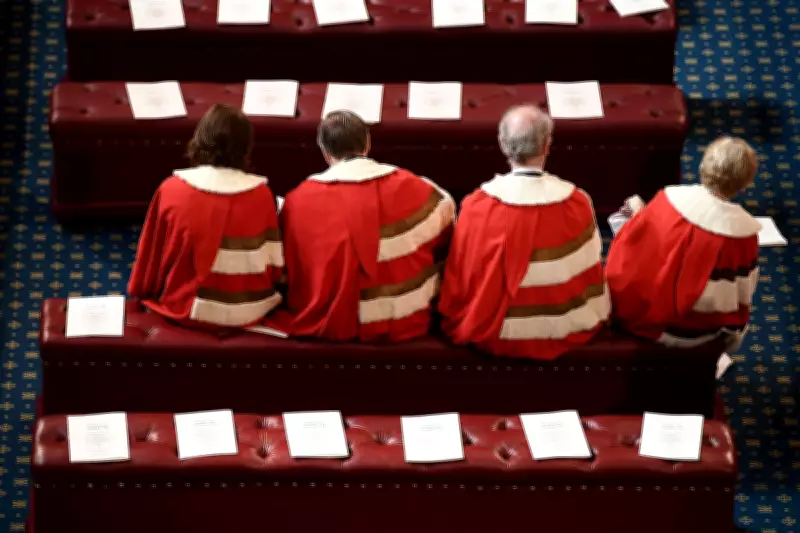
In a landmark constitutional change, hereditary peers are set to lose their automatic right to sit and vote in the House of Lords. The House of Lords (Hereditary Peers) Bill has now completed its passage through Parliament, receiving final approval on Tuesday. This significant reform is expected to take effect before the next King's Speech, marking the end of an era that has persisted for over seven centuries.
End of the Hereditary Quota System
The legislation will effectively abolish the quota established in 1999, which allowed 92 hereditary peers to occupy the red benches and participate in parliamentary votes. Under the new law, hereditary peers who have not also been appointed as life peers will no longer be entitled to their seats once the current parliamentary session concludes, anticipated later this spring.
Lords Leader Baroness Smith of Basildon emphasized the principle behind the reform, stating: "This has never been about the contribution of individuals but the underlying principle that was agreed by Parliament over 25 years ago that no one should sit in our Parliament by way of an inherited title." She added, "Over a quarter of a century later, hereditary peers remain whilst meaningful reform has stagnated. We have a duty to find a way forward."

Political Reactions and Compensatory Measures
The Cabinet minister revealed that government teams have "had constructive conversations" with the Conservatives, agreeing to allocate the party "a number" of life peerages. She acknowledged, "We appreciate the case that has been made by the official opposition that they rely significantly on the experience of hereditary peers, particularly on the front bench, but also in committees."
Currently, 84 hereditary peers take their seats in the Lords, with 42 aligned with the Conservative whip and 31 serving as independent crossbenchers. Lady Smith noted that it will be for the opposition to decide which individuals they wish to nominate for peerages, subject to vetting by the House of Lords Appointments Commission.
Mixed Emotions and Historical Reflections
Lord True, the Conservatives' shadow Lords leader, described the Bill as a "bitter pill" for many of his colleagues. He told the Lords, "For dozens of our fellows on this side and on the crossbenches, April will be a cruel month of cold going but that is how it will be." He urged respect for differing feelings, stating, "For others, the passage of this Bill will be a matter of high satisfaction, and that too is how it will be, but let us treat each other's feelings with respect."
Reflecting on the historical significance, Lord True highlighted the centuries of service by hereditary peers, noting their role in pivotal moments such as the Slave Trade Abolition Act of 1807 and the first Reform Act of 1832. He concluded, "This Bill draws a line under all that and it is drawn, but my lords, we remember them and we thank them."
Varied Perspectives on the Reform
Hereditary peer the Earl of Devon, a crossbencher, expressed concern that the Lords, Parliament, and country would "miss" the departing members, "not as individuals but as an essential ancient thread in the complex and fragile constitutional fabric that supports our nation."
In contrast, Liberal Democrat peer Lord Newby said his "principle emotion is one of relief," adding that the decision to remove hereditary peers was "long overdue." Conservative former minister Lord Hamilton of Epsom offered a more cynical view, remarking, "When they have gone, we'll be left with nothing other than political chancers like me and donors and members of the blob of one sort or another."
The Lord Speaker has offered his thanks to hereditary peers for their service in the upper chamber, with Lord Forsyth of Drumlean acknowledging their contributions to debate, scrutiny, and institutional memory. As this historic reform moves forward, it marks a significant step in the ongoing evolution of the UK's parliamentary system.