House of Lords Reform Sparks Debate Over Bishops and Elections
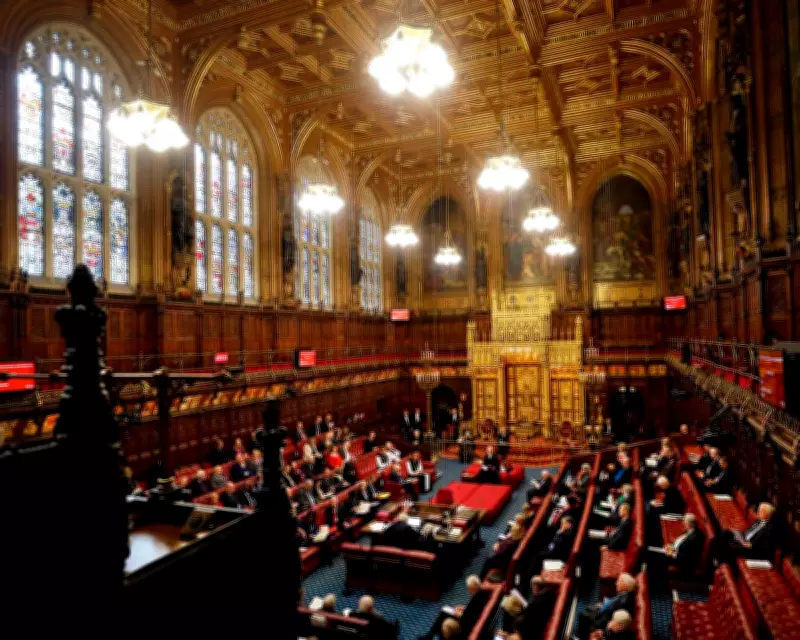
In response to Polly Toynbee's article on the House of Lords, readers have offered diverse suggestions for reforming the upper chamber, aiming to make it more relevant and democratic. The proposals include indirect elections, merit-based appointments, and the removal of hereditary peers, but a key point of contention remains the continued presence of 26 bishops.
Proposals for a Reformed Lords
Timothy Bailey from Oxford suggests a model where three-quarters of Lords members are indirectly elected by local councillors, with temporary seats for national government heads and regional mayors. This could include party leaders not yet in the Commons, such as Zack Polanski. The remaining seats would be time-limited appointments for experts like retired civil servants, overseen by an independent commission to vet eligibility and prevent dodgy donors. Bailey argues this would empower regions, provide leaders like Andy Burnham a parliamentary route while serving locally, and boost turnout in local elections.
Criticism of Bishops and Hereditary Peers
Ian Duckworth from Billington, Lancashire, notes that while hereditary peers are disappearing, 26 bishops will remain, questioning why the UK retains this theocratic element in an increasingly secular society. He calls for an upper house that truly reflects the country. Similarly, Kath Howard from Wellington, Shropshire, proposes reducing the Lords to 400 members, with 300 appointed on merit by an independent committee and 100 elected during general elections, explicitly excluding bishops unless they qualify on merit.

Debate Over Election and Legitimacy
Tony Voss from Emsworth, Hampshire, counters the push for an elected upper chamber, pointing out that Norway, Sweden, Denmark, and Iceland have abandoned their second chambers as superfluous. He argues that while reform is needed, election is not a panacea. In contrast, Robert Frazer from Salford, Lancashire, highlights the irony that hereditary peers, who are elected, are being removed in favor of appointed life peers, undermining electoral legitimacy.
Historical Anachronisms and Personal Insights
Les Bright from Exeter criticizes the current earl of Devon, suggesting that family links to the Crusades 800 years ago do not provide special insights into modern issues, yet such individuals remain part of the legislative machinery. This underscores broader concerns about anachronisms in the Lords.
The letters collectively emphasize the need for a reformed House of Lords that balances regional representation, expertise, and democratic accountability, while addressing outdated elements like bishops and hereditary peers.