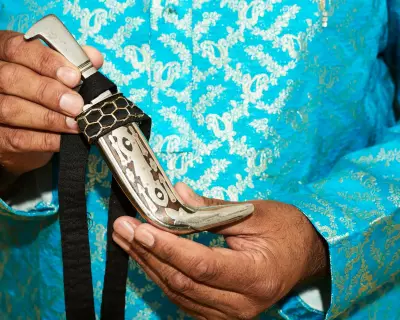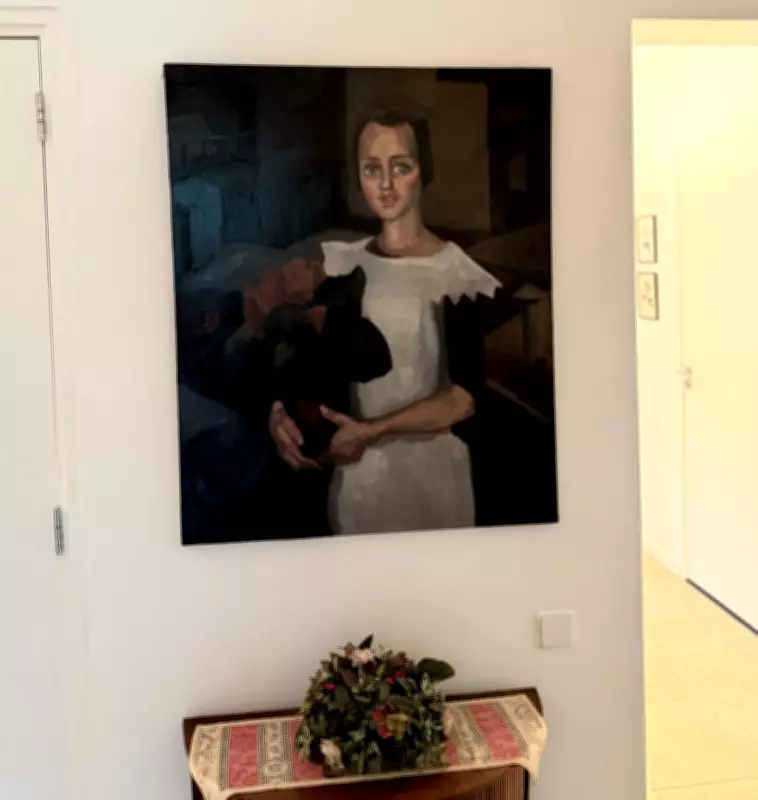
The Netherlands is increasingly confronting its painful history of Nazi occupation during World War II, but a significant number of stolen objects have yet to be returned to their rightful owners. This ongoing issue has sparked renewed debates about restitution, justice, and the moral obligations of museums and private collectors.
Historical Context of Nazi Looting
During the Nazi occupation from 1940 to 1945, countless artworks, books, and cultural artifacts were seized from Jewish families and other persecuted groups. Many of these items ended up in Dutch museums, private collections, or were sold abroad. Despite post-war efforts to recover looted property, the process has been slow and incomplete.
Current Restitution Efforts
In recent years, Dutch institutions have stepped up efforts to identify and return stolen items. The Dutch Restitutions Committee has handled numerous claims, but critics argue that the pace is too slow and that many objects remain hidden in museum archives or private hands. A 2023 report estimated that thousands of items still have not been returned.

Challenges and Controversies
One major challenge is proving ownership after so many decades, especially when records were destroyed or lost. Additionally, some museums are reluctant to part with prized collections, citing their role in preserving cultural heritage. This has led to tensions between claimants and institutions.
- Lack of transparency: Many museums have not fully disclosed the provenance of their collections.
- Legal hurdles: Claims often face complex legal frameworks and statutes of limitations.
- Emotional impact: For descendants of victims, the return of stolen objects is a matter of justice and closure.
Public and Political Response
The Dutch government has pledged to improve restitution processes, but activists demand more aggressive action. A 2025 parliamentary debate highlighted the need for a national database of looted items and stronger enforcement measures. Public opinion is increasingly supportive of returning stolen property, with many viewing it as a moral imperative.
As the Netherlands continues to grapple with its wartime past, the unresolved issue of stolen objects serves as a stark reminder of the enduring scars of Nazi occupation. The path to full restitution remains long, but the growing momentum suggests that change is on the horizon.