Royal Paths: Public Access to Crown Estate Lands Sparks Debate
A controversial new proposal has emerged, aiming to grant the public greater access to lands owned by the Crown Estate across the United Kingdom. This initiative, dubbed the "Right to Roam" expansion, seeks to open up vast swathes of royal property for walking, hiking, and recreational use, but it has ignited a fierce debate among stakeholders.
Heritage vs. Public Rights
Proponents argue that the Crown Estate, which manages properties and lands belonging to the monarch in right of the Crown, should be more accessible to citizens. They cite the long-standing tradition of public rights of way in the UK and emphasize the health and social benefits of outdoor activities. "These lands are part of our national heritage, and the public should have a right to enjoy them responsibly," said one advocate.
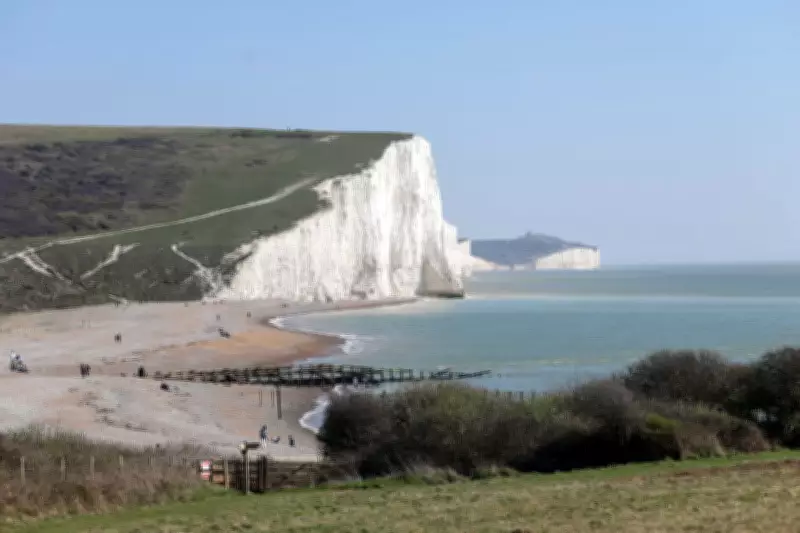
However, opponents raise concerns about potential damage to sensitive ecosystems, historical sites, and private interests. The Crown Estate includes diverse assets, from coastal areas and forests to urban developments, and critics warn that increased foot traffic could lead to erosion, littering, and conflicts with conservation efforts.

Conservation and Legal Implications
The debate touches on broader issues of land management and legal frameworks. Currently, public access to Crown Estate lands is limited compared to other public spaces, with specific permissions required for many areas. The proposal would require legislative changes and careful planning to balance access with protection.
Experts note that similar initiatives in other countries have faced challenges, such as in Scotland where the Land Reform Act 2003 established a right to roam, but with ongoing disputes over implementation. In England and Wales, the Countryside and Rights of Way Act 2000 provides some access, but Crown Estate lands often fall outside its scope.
Public Opinion and Future Steps
Early polling suggests mixed public opinion, with many supporting the idea in principle but expressing concerns about practicalities. A recent survey indicated that 60% of respondents favored increased access, but 40% worried about environmental impacts.
The government has yet to take an official stance, but discussions are underway with environmental groups, heritage organizations, and local communities. If implemented, the initiative could transform how Britons interact with royal lands, potentially setting a precedent for other nations with similar estates.
As the debate continues, stakeholders are calling for a balanced approach that respects both public rights and the unique character of Crown Estate properties. The outcome could reshape the landscape of public access in the UK for generations to come.