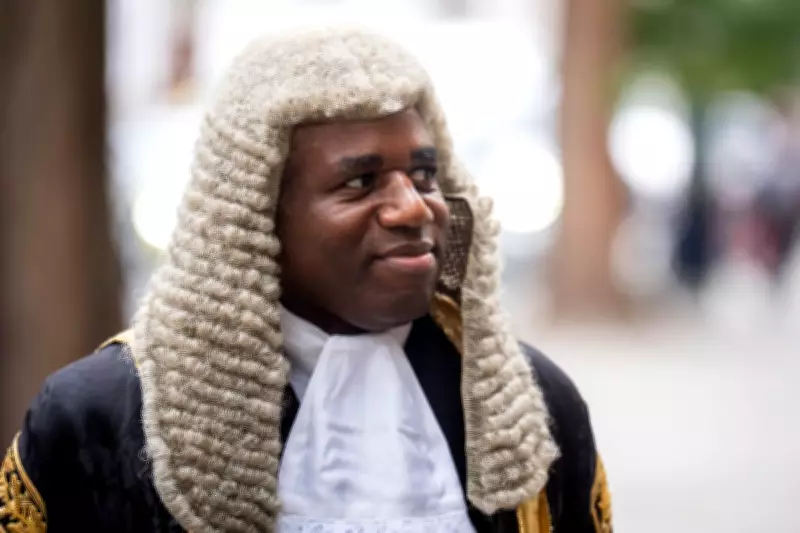
As presaged in the King's Speech, the government's highly controversial Courts and Tribunals Bill has been reintroduced to parliament. It provoked a series of rebellions and attempted rebellions in the last session, and it promises to do the same again, with questions about the Labour leadership complicating matters considerably. It highlights just how disruptive the attempt to oust Keir Starmer is proving and why it's impossible to govern and change direction at the same time.
Is This All About Youth Crime?
No, and if it were, then it wouldn't be troublesome. Balancing the quality of mercy and being tough on lawbreakers, the justice secretary and lord chancellor, David Lammy, has been touring radio and television studios promoting his new white paper on youth crime. This is separate from the Courts and Tribunals Bill as well as the jury trial debate. Lammy's latest big idea is for parents to face tougher penalties if their children are found guilty of breaking the law. Parenting orders will be expanded with a view to forcing bad parents or guardians to be better ones – by ordering them to attend parenting guidance sessions or counselling. Those resistant to such help will be fined instead. Indeed, there will be new powers to jail parents in the most extreme cases – that would trigger some sharp reaction within the Labour Party.
As a sort of balance to that, the white paper proposes fewer custodial sentences for children, and a consultation on childhood criminal records. This would entail ending lifelong disclosure requirements for childhood offences so people aren't forever held back by mistakes made as children.

What About Jury Trials?
Still a very live issue. The government's ambition to curtail the right to trial by jury in some cases remains, and ministers insist that they will press on with this in the name of reducing backlogs and speeding up progress to trial and sentencing, not least in traumatic cases of rape and sexual assault. As they put it, justice delayed is justice denied. Critics say the reforms are undesirable; an attack on an ancient right established by Magna Carta, and that more resources and more efficiency could solve the problems.
What's Political About This?
It was always deeply controversial, but the context has now changed radically. The 7 May electoral disaster for Labour and consequent destabilisation of the party leadership will only embolden the critics of the Courts and Tribunals Bill. This means more frequent and potent rebellions by backbench Labour MPs, some of whom will be using their objections to the bill as a proxy for their disillusionment with Starmer and his close ally, Lammy. It is no coincidence that the resistance is being led by the redoubtable Karl Turner, who had the Labour whip removed for his principled efforts in March. He has lost nothing of his spirit or his contempt for Lammy.
Will the Government Be Defeated?
It is quite possible now that the bill will be paused, and then amended radically if there is a leadership election and Andy Burnham replaces Starmer. According to Turner, Burnham is fully with me on this issue. Why? Because like me, Burnham knows that it's unworkable, unjust, undemocratic and unpopular.
This kind of instability will now apply across the whole field of government, including Treasury matters and foreign policy, where ministers, MPs and civil servants will have no clear idea about where the new prime minister, if there is to be one, is heading. As Labour used to say, it will be chaos and confusion.