Massive AI Development Threatens Historic Texas Dinosaur Park
A controversial new proposal to construct a huge artificial intelligence data center complex adjacent to the 100-million-year-old Dinosaur Valley State Park in Texas has triggered widespread outrage and environmental concerns. The plan, put forward by Houston-based NRG Energy, involves developing a 2,600-acre site near the Paluxy River that would house dozens of server buildings alongside natural gas power plants specifically designed to support AI operations.
Historic Preservation Versus Technological Progress
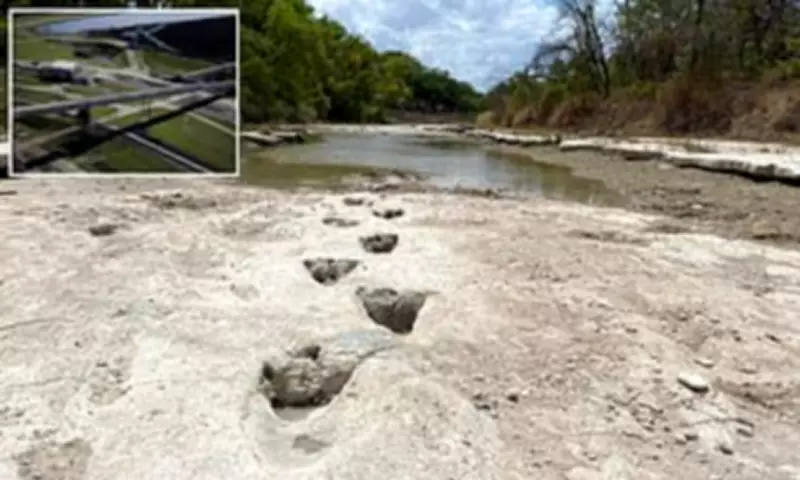
The proposed location sits on land where dinosaurs once roamed, leaving behind footprints that have been preserved in the riverbed for millennia. Opponents argue that constructing industrial facilities so close to this irreplaceable historic site could cause irreversible damage. "If they replace Dinosaur Valley State Park with a data center, I might actually become an ecoterrorist," one angry resident posted on social media platform X, capturing the intensity of local sentiment.
Brian Crawford, a local resident living near the park, emphasized the global significance of the potential loss. "It would be a huge loss to the world, really," he told local media, highlighting how the famous Glen Rose dinosaur tracks in the Paluxy river bed represent a unique paleontological treasure.

Environmental and Wildlife Concerns Mount
The Fort Worth Group of the Sierra Club has been actively mobilizing opposition, urging residents to submit comments to the Texas Commission on Environmental Quality and request public hearings regarding air quality permits linked to the project. The environmental organization warns that destroying the park would not only erase important history but also devastate local ecosystems.
"These proposed routes would clear critical habitat and disrupt migratory paths for protected species, including the endangered Golden-cheeked Warbler," the Sierra Club stated, emphasizing the broader ecological impact beyond just the dinosaur footprints.
Scale and Resource Demands Raise Alarms
According to Crawford, who has studied the proposal details, the project has evolved from an initial five-gigawatt data center concept to what now appears to be a three-gigawatt facility requiring three "massive" natural gas power plants for support. Plans presented to Hood County commissioners revealed 45 buildings each approximately 45,000 square feet in size—a footprint Crawford compared to roughly 112 Walmart Supercenters.
The infrastructure would also require approximately 2,000 diesel backup generators and, most concerning to water-scarce Texas communities, could consume up to 16.5 million gallons of water daily. "The primary consumer of water are the power plants, not the data center," Crawford explained, noting that the Somervell County Water Conservation District has already declined to supply water for the project, though NRG Energy might seek approval to drill wells through alternative water districts.
Political and Regulatory Battles Intensify
Hood County commissioners recently voted 3-2 against implementing a six-month moratorium on new industrial projects following a warning letter from Senator Paul Bettancourt, who argued counties lack authority to impose such developmental pauses. The senator further urged Attorney General Ken Paxton to intervene if any moratorium were established.
Crawford clarified that opposition isn't about being anti-technology: "I'm not against AI, I just don't see it benefiting my hometown." He called for more deliberate consideration, stating, "We're asking the governor to take a hard look, tap the brake a little bit, and say, 'Wait a minute.' Data centers are fine and good, but maybe there needs to be guardrails."
The local activist emphasized the need for community input, arguing, "We can't put up guardrails until we take some time. Allow counties to issue a moratorium. Let the local people say if they're interested in a data center or not."
As the controversy continues to unfold, protesters have flooded state officials with letters opposing the development while sharing their frustrations across social media platforms. The battle between preserving irreplaceable natural history and accommodating technological advancement appears poised to become a defining environmental conflict in Texas.