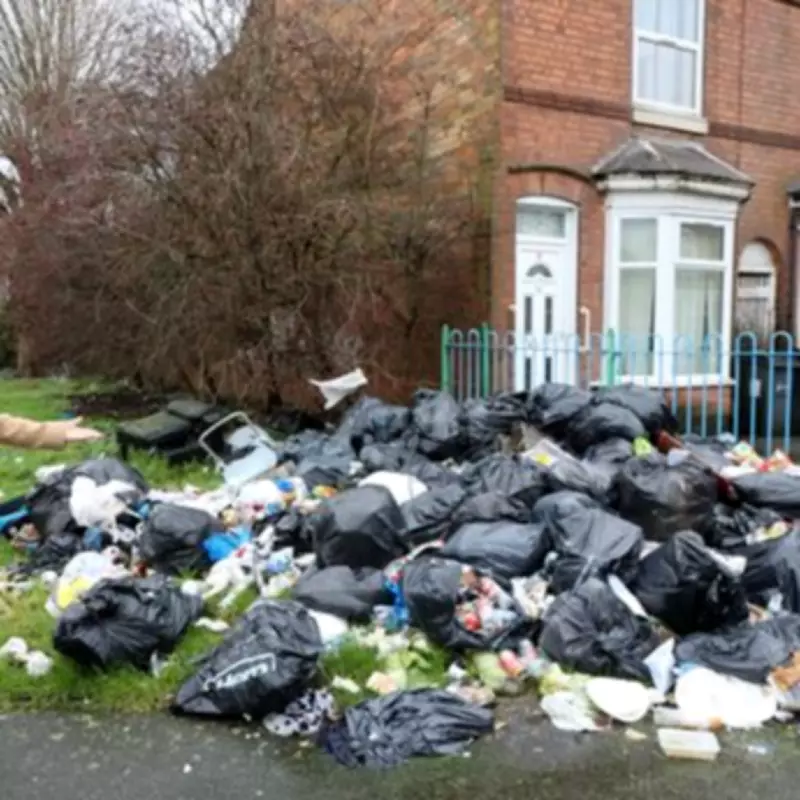
Shocking images have emerged revealing the deplorable condition of a historic park in Birmingham, now transformed into an unofficial dumping ground overflowing with rotting rubbish and swarming with rats. Local residents are expressing outrage and demanding immediate action as the once-pleasant green space deteriorates into a health hazard.
A Park in Peril
Henry Barber Park, located in the Bordesley Green area of Birmingham, is currently buried under enormous mounds of waste. The discarded items include old furniture, decomposing food waste, and soiled nappies, collectively producing an unbearable stench that permeates the surrounding residential streets. This persistent problem has escalated significantly, with the park becoming an impromptu fly-tipping hotspot that horrifies the community.
Residents Voice Their Anger and Fear
Local mother, who wished to remain anonymous, stated she no longer allows her children to play in the park due to safety concerns. "I don't like my children playing here anymore; it isn't safe," she explained. "Who knows what's in these bags? It could be syringes or knives. You don't want your children finding this when they're supposed to be playing."

Sabir Hussain, a nearby resident, directly criticised the council for its perceived lack of action. "It makes me feel bad. You walk on the grass and you can see the rubbish. It smells bad, too; it's awful," he said. "The council must be doing their job, but they aren't. All of this road and Imperial Road, it's like it all over. Please do something. Great Britain, it's not so great anymore."
Historical Context and Community Decline
The park is named after Sir William Henry Barber, a prominent 19th-century property developer who contributed to Birmingham's expansion. Sadly, the area has become rundown in recent years. Another long-term resident noted, "Fifty years ago when I came here, it was a very nice area. Now it's all rubbish."
Michelle, a mother who has lived near the park for 15 years, linked the park's state to broader city issues. "The state of the park just reflects the horrible state of the city. People are so poor and struggling to pay for everyday things, so pride in the area has gone out the window," she said. "The bin strike has made littering and fly-tipping almost normal. The stench from the park now is really bad. I used to take my kids to play there in the summer, but I wouldn't ever do that now; there are rats everywhere and god knows what else."
Underlying Causes: Strikes and Socioeconomic Strain
The rubbish crisis in Birmingham is exacerbated by ongoing industrial action from bin workers, who have been on strike in a protracted dispute over pay. Unite union members have recently voted overwhelmingly to extend their industrial action for another six months, continuing past the local elections in May and into September. This strike has severely disrupted waste collection services across the city.
Compounding the issue is the cost of living crisis, which residents believe has led to increased fly-tipping as people struggle with disposal costs. One neighbour remarked, "It's been like this for a year. We're very upset as people are throwing their rubbish here. We have the bins, so people should be taking advantage of that. But they're just throwing it in the park. It's quite disgusting when you're walking past."
Council Response and Ongoing Challenges
Birmingham City Council asserts it is taking measures to address fly-tipping. Councillor Majid Mahmood, Cabinet Member for Environment and Transport, stated, "Fly-tipping harms where we all have to live and work and is carried out by environmental criminals that have no regard for our neighbourhoods or their well-being. When fly-tipping occurs, we act as quickly as possible."
Despite these assurances, the visible accumulation of waste and the proliferation of rats indicate that the response has been insufficient for residents. The park, once described as a popular, safe community space for young families, is now considered a no-go zone, symbolising a broader decline in urban environmental standards and community well-being in parts of Birmingham.