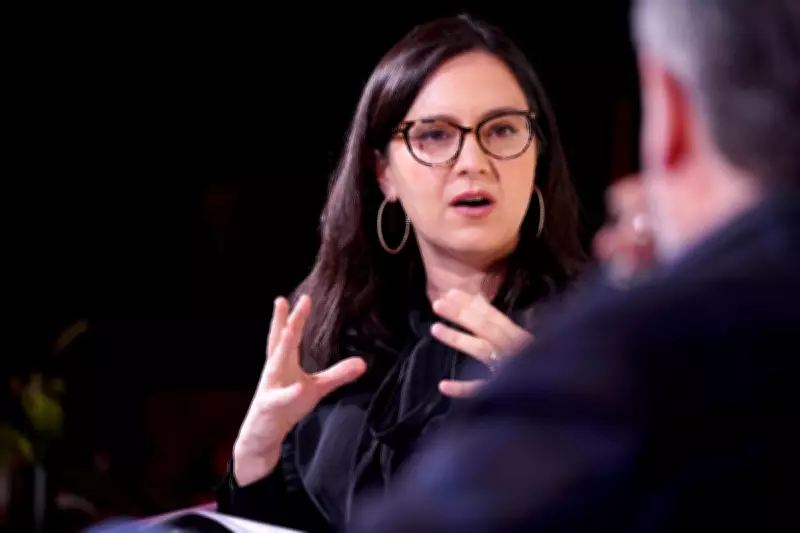
CBS News is embroiled in internal strife as editor-in-chief Bari Weiss and president Tom Cibrowski reportedly clash over the network's strategic direction and efforts to revive declining ratings. Staffers have labelled the pair "the odd couple" due to their contrasting approaches, highlighting a deepening rift within the organisation.
Divergent Strategies Fuel Tensions
Weiss advocates for an aggressive digital strategy focused on hard news, aiming to bolster CBS News's online presence and appeal to a more engaged audience. In contrast, Cibrowski prefers softer coverage tailored to Middle America, emphasising broader accessibility and traditional broadcast methods. This fundamental disagreement has created friction, with sources indicating ongoing disputes over editorial decisions and resource allocation.
Ratings Decline Amid Leadership Changes
The internal conflict coincides with a challenging period for CBS News's ratings. In mid-March, the CBS Evening News experienced a notable dip in viewership, though it saw a slight recovery by the end of the month. Despite this uptick, ratings remain approximately 7 percent lower compared to the same period last year, underscoring the urgency of the leadership's strategic decisions.

Since Weiss's appointment in October, CBS News has undergone significant restructuring, including a 6 percent reduction in staff and the closure of CBS Radio. These changes have reportedly led to frustration from Cibrowski, who has expressed concerns over the pace and impact of the transformations on the network's operations and morale.
Controversial Actions Add to Turmoil
Weiss has faced criticism for several controversial actions during her tenure. Notably, she interacted with former President Donald Trump after a 60 Minutes interview, drawing scrutiny from media observers. Additionally, the last-minute cancellation of a 60 Minutes segment on El Salvador's CECOT prison sparked backlash, with critics questioning editorial judgment and transparency.
These incidents have compounded the tensions within CBS News, as stakeholders debate the network's future under Weiss's leadership. The ongoing clashes between Weiss and Cibrowski reflect broader challenges in the media industry, where balancing digital innovation with traditional broadcast values remains a contentious issue.
As CBS News navigates these internal disputes, the focus remains on whether the leadership can reconcile their differences to stabilise ratings and define a cohesive strategy moving forward. The outcome could significantly influence the network's competitive position in an increasingly fragmented media landscape.