Council Ban on Cat Feeding Sparks National Animal Welfare Support
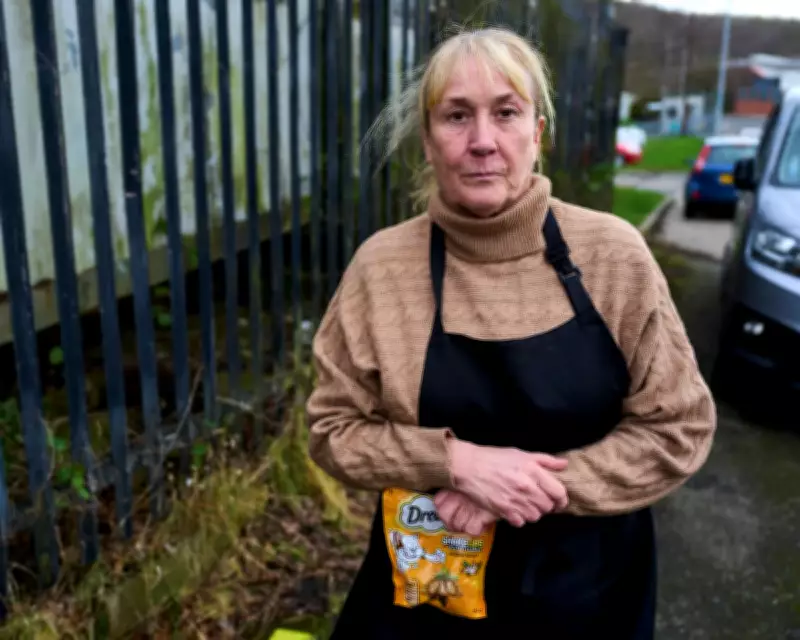
Collette Boler, a grandmother of seven from Thurnscoe in South Yorkshire, has become an unlikely national icon for animal lovers after being ordered to stop feeding a colony of feral cats she has cared for over two decades. The ban, issued by Barnsley council following a complaint from a neighbouring business about cat faeces, has ignited a wave of support from strangers, neighbours, and national charities, transforming Boler into a symbol of grassroots animal welfare activism.
Two Decades of Dedication Interrupted
For twenty years, Boler has visited the cats twice daily, including on Christmas Day, spending her own money on veterinary bills and organising neutering programmes to control the colony's population. Initially numbering around thirty, the group has dwindled to about a dozen due to her efforts. Boler, affectionately known as the "crazy cat lady," adopted one cat and helped rehome others, driven by a simple love for the animals. "I just love them all," she said, reflecting on her long-standing commitment.
Community Protection Notice Threatens Fines
The council's intervention came after a complaint, leading to a community protection notice—a type of antisocial behaviour order—that could result in fines of up to £2,500 if Boler continues feeding the cats. Supporters view this as heavy-handed and overzealous, arguing it overlooks Boler's vital role in managing the colony humanely. Despite the threat, Boler remains resolute, stating, "I just wish they'd let me feed my cats. That's all I want. That's all I've ever wanted."

Overwhelming Public and Charitable Support
Since Boler shared her story on Facebook, receiving over 40,000 likes on one post, she has been inundated with support. Strangers from as far as York have visited her cafe, Milly's Cafe, with gifts like chocolates, cards, and cat food, while others have donated money. The Cat Action Trust 1977, a national charity, has stepped in by writing to Barnsley council to urge repeal of the ban and collecting food for the cats. Alice Ostapjuk-Wise, a volunteer, emphasised, "Feeders like Collette actually play a really important role. They can alert us when a new cat arrives that might not be neutered."
Concerns Over Uncontrolled Feeding and Inhumane Alternatives
The charity warns that without managed feeding, councils might resort to extermination or starvation, which they deem inhumane. Boler's daughter, Rebecca Foster, expressed concerns that the influx of well-meaning feeders has led to uncontrolled feeding, disrupting the colony's care. "When my mum was doing it, it was controlled feeding... Whereas now there's that many people going, that many people feeding them, there's no control," she said, noting the irony that the cats, once unknown, are now "the most famous cats in South Yorkshire."
Council's Stance and Broader Implications
Barnsley council has not commented directly but previously stated it recognises Boler's "good intentions" and issued the warning to "prevent the situation from getting worse." They encourage collaboration with recognised animal welfare organisations to ensure public health and safety. This case highlights tensions between local regulations and community-driven animal care, sparking debates on humane feral cat management. Boler, overwhelmed by the attention, never expected to become a focal point in this national discussion, yet her story continues to resonate with animal lovers across the country.