Labour Government Approves Council Tax Increases Beyond Standard Cap
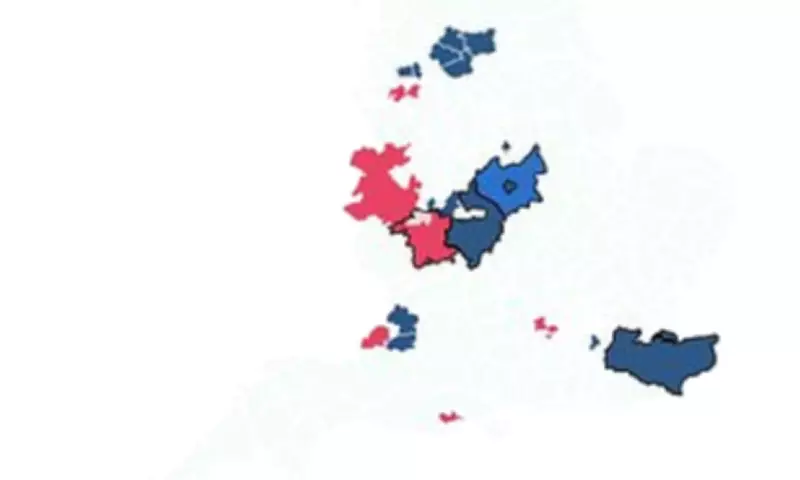
The Labour government has granted permission for seven local authorities to increase their council tax by more than the standard 5 per cent cap, with some councils being permitted eye-watering rises of up to 9 per cent. Under normal circumstances, a 4.99 per cent rise is the maximum annual hike allowed before councils are required to hold a local referendum. This cap consists of 2.99 per cent for general spending and a 2 per cent adult social care precept.
Specific Council Tax Hikes Authorised
The government has authorised Shropshire, Worcestershire, and North Somerset councils to raise their levies by a maximum of 9 per cent. Meanwhile, authorities in Trafford, Warrington, and Windsor and Maidenhead are being allowed to hike their council tax by up to 7.5 per cent. Additionally, Bournemouth, Christchurch, and Poole Council is being permitted a 6.75 per cent rise.
Government Justification and Financial Settlement
Alison McGovern, the local government minister, stated: 'Our local government finance reforms get money to where it is needed. But we recognise that some councils remain in a challenging financial position as they continue to deal with the legacy of the previous system.' Ms McGovern warned the councils that the 'additional flexibilities are a limit, not a target', emphasising that final decisions on council tax levels are for local authorities themselves.

This move is part of a three-year settlement for local councils which the government has finalised, making around £78 billion available to town halls throughout England. Ms McGovern said the deal was designed around 'reconnecting funding with need'. She added: 'We are reconnecting funding with need. Only around a third of councils were given the funding to broadly match their assessed need before our reforms. By the end of the multi-year settlement, that will be nine in 10 councils.'
As a result of these changes, the most deprived places will receive 45 per cent more funding per head than the least deprived in 2028/29. The package will include a £440 million uplift to the recovery grant, 'aimed at the councils most impacted by cuts during austerity', bringing its total to £2.6 billion. It will also include £272 million additional allocations within the homelessness, rough sleeping and domestic abuse grant, bringing its total to £2.7 billion.
Concerns from Council Networks
Steven Broadbent, the County Councils Network (CCN) finance spokesman, warned that the next three years 'will be very challenging' for the organisation's members. He said he was 'disappointed' that 'ministers have chosen to yet again unfairly target even more resources on a select cohort of urban and metropolitan councils'. Mr Broadbent, who is also the Conservative leader of Buckinghamshire Council, added: 'This is because the recovery grant overwhelmingly benefits urban metropolitan borough councils. Yet analysis by CCN shows that they collectively face a funding gap of £180 million next year whereas county and rural unitary councils face a colossal £2.7 billion funding black hole.'
Mr Broadbent stated that 'the three-year period will be very challenging for all our member councils'. He said: 'County residents and their councils will be forced to make up a significant shortfall through council tax rises and cuts to local services as CCN members grapple with a multi-billion shortfall.'
Jeremy Newmark, the District Councils' Network finance spokesman, said 'the funding redistribution in the final settlement has created winners and losers'. Mr Newmark, the Labour leader of Hertsmere Borough Council, added: 'It is clear that district and unitary councils, especially in more remote and rural areas, will struggle to preserve the full range of services that residents need and value. The transitional funding protection is welcome but for many districts, the settlement still amounts to a real-terms reduction in core spending power.'
Call for Further Government Action
Mr Newmark concluded: 'That is why we will be asking Government to act beyond the finance settlement to help councils support themselves and continue delivering high-quality services. We will be urging them to swiftly progress the review of fees and charges. Councils need to be able to recover the full cost of services they provide.'