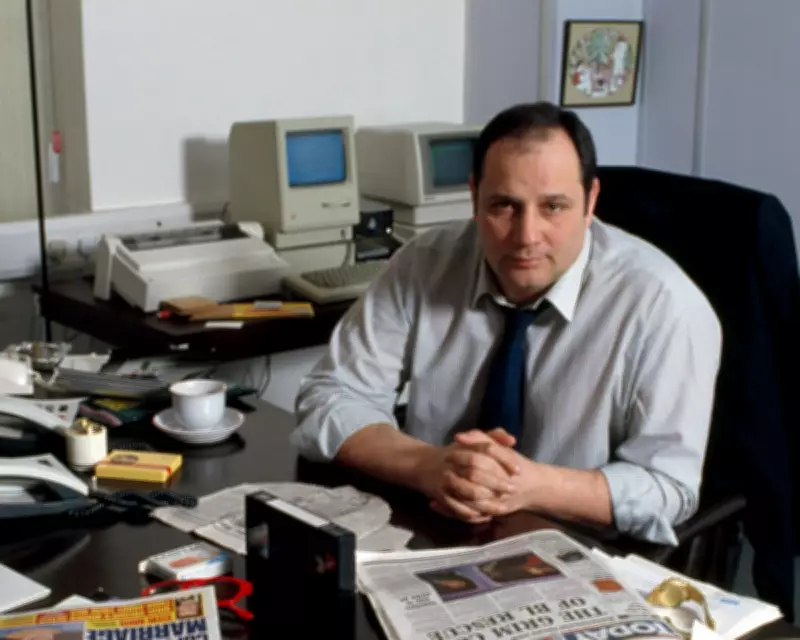
Eddy Shah, the trailblazing newspaper proprietor whose bold confrontation with print unions in the 1980s catalysed a technological revolution in British journalism, has died at the age of 80. His passing marks the end of an era for an industry he helped reshape through innovation, ambition, and relentless disruption.
A Disruptive Force in Fleet Street
Shah rose to national prominence in 1986 when he launched Today, Britain's first full-colour national newspaper. This venture was not merely a publishing experiment; it was a direct challenge to the entrenched power of the print unions, which had long controlled production through restrictive practices. By establishing a new plant in Warrington with modern technology and non-unionised staff, Shah bypassed traditional Fleet Street structures, setting a precedent that would soon be emulated by media giants like Rupert Murdoch.
The Wapping Dispute and Lasting Impact
His actions ignited the bitter Wapping dispute, a pivotal industrial conflict that saw Murdoch move his newspapers to a fortified plant in Docklands. Shah's willingness to take on union power effectively broke their stranglehold, accelerating the adoption of computerised typesetting and direct input by journalists. This technological leap reduced costs, increased efficiency, and ultimately transformed the economics and aesthetics of British newspapers, paving the way for the vibrant, multi-section titles we recognise today.

From Rags to Riches and Back
Born in 1944, Shah's journey was one of remarkable ascent and dramatic decline. He built a regional newspaper empire in the 1970s before his national foray. However, Today struggled financially despite its innovation, leading to its sale to Lonrho in 1987 and eventual closure in 1995. Shah faced significant personal and professional setbacks thereafter, including a high-profile divorce and bankruptcy in 2004, underscoring the volatile nature of media entrepreneurship.
A Complex and Controversial Legacy
Eddy Shah's legacy is multifaceted. He is celebrated as a visionary who democratised newspaper production and introduced colour to the masses, yet criticised for the harsh consequences his actions had on traditional print workers. His career also included ventures into television and authorship, though these never matched the impact of his newspaper endeavours. Colleagues remember him as a charismatic, driven figure whose relentless pursuit of change left an indelible mark on British media, for better or worse.
Shah is survived by his family, who have confirmed his death after a period of illness. His story remains a testament to the power of individual ambition to disrupt established industries, a narrative that continues to resonate in today's rapidly evolving media landscape.