Hartlepool Council Suspends Memorial Bench Installations Amid Overcrowding Concerns
Hartlepool Borough Council has implemented a temporary ban on new memorial bench applications following a comprehensive audit that revealed significant accessibility issues in the town. The Labour-run authority made this decision after residents voiced complaints about struggling to navigate between benches, with particular concerns raised about obstructions for wheelchairs and pushchairs.
Audit Reveals Bench Overcrowding Problem
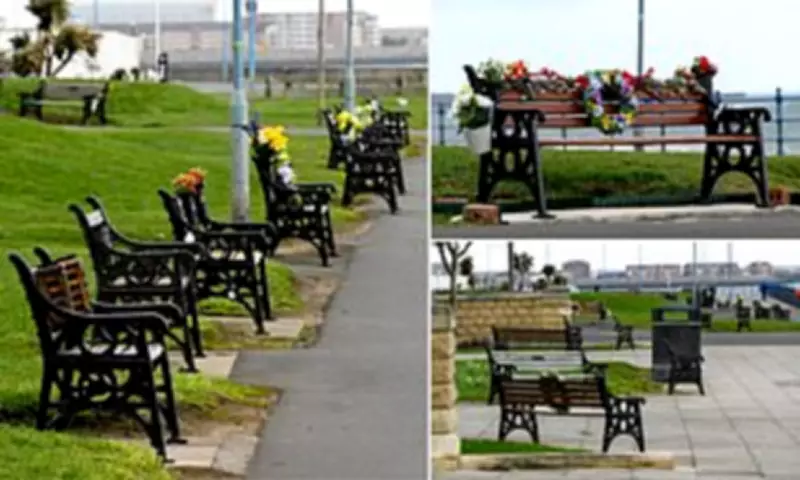
The council's investigation found that certain areas of Hartlepool have become "overwhelmed with benches" to the point where installing additional memorial seating has become impossible. The report specifically highlighted Seaton Carew and the Headland as locations where the proliferation of benches has created genuine accessibility challenges for residents with mobility needs.
According to the audit findings, the Headland area contains 115 memorial benches, followed closely by Seaton Promenade with 112 benches, and Ward Jackson Park with 48 memorial seating installations. The council noted that many of these benches are positioned so closely together that they create navigation difficulties, while some have fallen into disrepair over time.

Mixed Reactions from Local Residents
The decision has generated divided opinions among Hartlepool residents. Daniel Matthews, 40, whose family dedicated a bench to his grandmother in the Headland area, expressed disappointment with the council's stance. "My mum and dad had a bench put up in memory of my nan who loved to look out to sea when she was alive," Matthews explained. "It was a nice place to sit and pay tribute to her. I don't think it's fair for the council to say Hartlepool has too many of these benches. It's a nice way to keep your memories of relatives alive."
Conversely, one anonymous mother described the benches as "becoming like graves rather than somewhere for people to sit on." She added, "It's a pain to be honest having to almost slalom the pushchair around all these benches when I'm taking my toddler out. Lots of these benches don't just have a plaque either, there are sometimes photos and flowers and teddies."
Alternative Memorial Options Proposed
The council has suggested that grieving families consider planting trees as an alternative way to honor lost loved ones. Councillor Karen Oliver, Chair of the Housing, Growth and Communities Committee, emphasized the sensitivity of the issue while explaining the council's position. "We understand that our communities want to commemorate and remember loved ones," Oliver stated. "However, concerns regarding the proliferation of memorial benches were voiced by a number of residents during public consultations."
Oliver further clarified that the council has no plans for mass bench removal but rather aims to engage with bench owners to develop a sympathetic approach to managing the situation. The temporary pause on new applications will remain in effect until suitable future arrangements can be established.
Impact on Local Businesses
The decision also affects local enterprises like Teak Garden Furniture, which specializes in constructing memorial benches. Owner Karl Barowsky expressed frustration with the council's approach, noting that many other local authorities manage demand through waiting lists rather than outright bans. "That demonstrates how important they continue to be to families," Barowsky argued. "When thoughtfully planned and positioned, memorial benches can sit comfortably within public spaces. They support reflection, wellbeing and everyday community use."
Barowsky pointed out that customers willingly pay approximately £400 for these memorial installations and suggested that clearer guidelines and better management could allow remembrance and public space usage to coexist harmoniously.

Council's Ongoing Management Approach
The council's report identified several practical challenges created by the bench overcrowding, including difficulties with litter removal, path cleaning, and weed control in areas where benches are positioned too closely together. Councillor Oliver reassured residents that this represents the beginning of a process to address the situation appropriately rather than a final solution.
"We aim to engage with the owners of benches, where we have ownership information, to agree on a sympathetic approach that minimises the need for the removal of benches," Oliver explained. "While new applications for memorial benches have been paused until suitable future arrangements are agreed, I would point out that the council offers a number of alternative ways for people to remember loved ones."
The council's decision reflects broader challenges facing local authorities nationwide as they balance community memorialization needs with maintaining accessible, functional public spaces for all residents.