

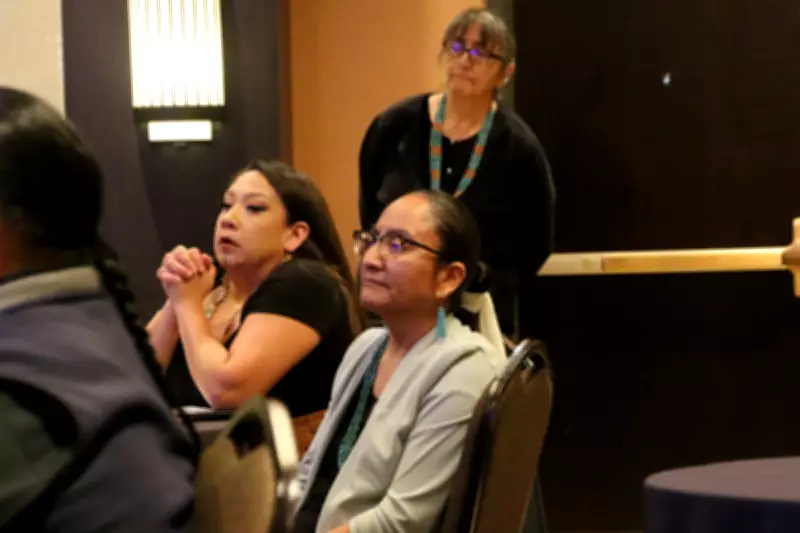
Plaintiffs in a long-running court case aimed at fixing New Mexico's education system are asking a judge to allow them to rewrite the state's education reform plan themselves. Frustrated by repeated failures to address deficiencies identified in 2018, the plaintiffs in the landmark Yazzie/Martinez case filed a joint motion last week outlining an eight-month revision process.
Background of the Case
The lawsuit, filed over a decade ago by parents and school districts, accused New Mexico of failing to provide a sufficient education to Native American students, low-income students, students with disabilities, and English language learners—a right guaranteed by the state constitution. In 2018, a state judge agreed, but the Public Education Department (PED) never finalized a plan to comply. Plaintiffs returned to court in 2024, and last spring, Judge Matthew Wilson ordered PED to develop a comprehensive remedial action plan.
Flaws in the Current Plan
PED delivered a 190-page plan in November after public meetings and a statewide survey. However, plaintiffs argue the document "provides no credible basis to conclude" that New Mexico "will ever remedy the constitutional violations or extensive deficiencies" identified eight years ago. They claim it fails to tailor programs to the four at-risk student groups and lacks cost estimates for proposed actions.

PED defended its plan last month, arguing the court did not require every detail, which would make it "unworkably lengthy." The department said it would evaluate programs as introduced and adjust as needed. Plaintiffs counter that the plan "relies on generalities, postpones critical decisions, and omits enforceable commitments."
Proposed Revision Process
Plaintiffs want to rewrite the plan in collaboration with experts, with PED providing up to $200,000 for their work. They also request the court to require PED to estimate implementation costs and share the analysis for comment before submission. Attorney Alisa Diehl emphasised that cost estimates are crucial for feasibility.
The revised plan would include specific actions for each constitutional violation, responsible entities, a five-to-seven-year timeline, and evaluation metrics. Plaintiffs would use community feedback already gathered and may hold additional public meetings. Within four months, the plan would be shared with tribes and legislative committees for input, followed by a two-month incorporation period. After submission to PED, both parties would meet to resolve disputes before presenting to the court.
Diehl anticipates arguing for this process before Judge Wilson within the next two to three months.






