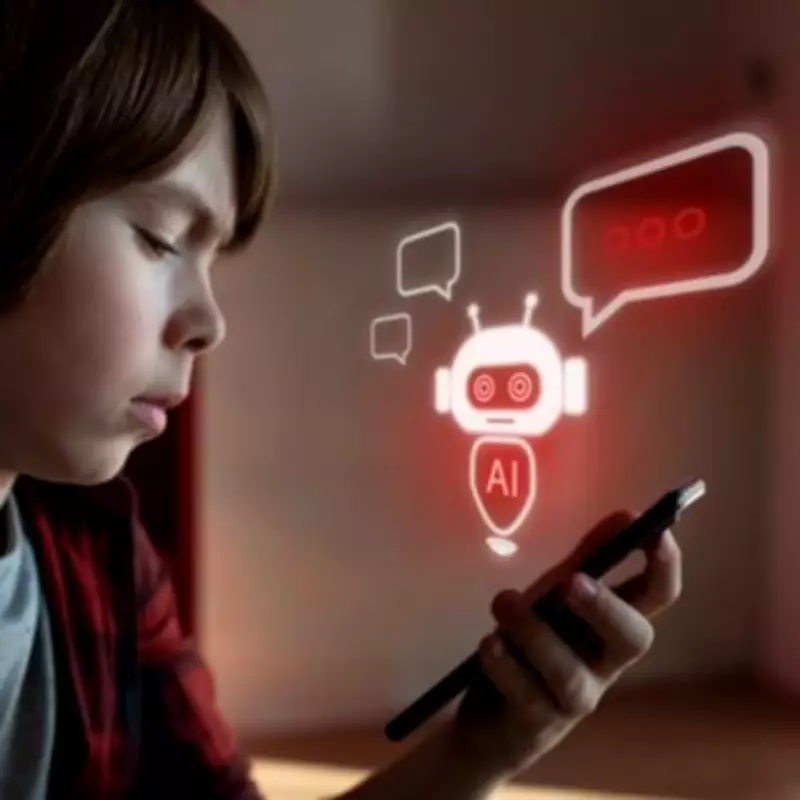
Alarming Study Finds Third of UK Children Consider AI Chatbots Friends
A concerning new study from technology communication firm Vodafone has revealed that nearly one third of British children who use artificial intelligence chatbots view these digital tools as genuine friends. The research indicates that 81% of young people aged between 11 and 16 years old incorporate AI chatbots into their daily routines, with significant emotional attachments developing.
Emotional Connections and Concerning Behaviors
The comprehensive survey of 1,000 children and 1,000 parents discovered that 31% of young chatbot users feel these artificial intelligence systems resemble friends. Disturbingly, 24% turn to chatbots for advice during difficult situations, while 20% use them to manage worries and anxieties. The research identified that 33% of children have shared information with chatbots that they would not disclose to parents, teachers, or human friends.
Nearly half of respondents (49%) attribute their comfort with chatbots to perceived trustworthiness, while 65% find them easy to converse with. A significant 39% believe these systems can understand human emotions similarly to people. The study further revealed that 86% of children have acted upon advice received from chatbots, often without understanding the limitations or origins of this guidance.

Psychological Concerns and Developmental Risks
Child psychologist Dr. Elly Hanson expressed serious concerns about these findings, stating: "It's uncanny how effective AI chatbots can be at mimicking human empathy, personality and connection. As Vodafone's research shows, this is leading many children and young people to feel like chatbots are their friends and are interfering with their social development."
Dr. Hanson emphasized that children require authentic human relationships involving mutual exchange, shared experiences, diverse perspectives, and genuine emotional connections rather than artificial relationships designed primarily to maintain engagement. The study found that 56% of surveyed children report that interactions with chatbots sometimes blur boundaries between reality and artificiality.
Gender Differences and Usage Patterns
The research uncovered notable gender disparities in how children perceive and interact with AI chatbots. Boys demonstrated a greater tendency to view chatbots as friends, with 41% expressing this perspective compared to 24% of girls. Conversational chatbots ranked as the most frequently used AI tools among this age group at 59%, with usage peaking among 14-year-olds at 48%.
Children engaging with chatbots spend an average of 42 minutes daily interacting with these systems. Primary motivations include removing potential embarrassment from human conversations (25%) and valuing the supportive, encouraging nature of chatbot responses (53%). Following interactions, 38% reported feeling happier while 27% experienced reduced anxiety.
Educational Implications and Parental Concerns
The study, which also surveyed 4,000 teachers, revealed that educators recognize potential benefits when AI is used appropriately. Teachers noted that technology could engage students in innovative ways (15%), support personalized learning (19%), and foster independent work completion (16%). However, 29% of teachers observed declines in students' independent thinking or problem-solving abilities, while 49% reported increased reliance on AI tools for schoolwork.
Parents expressed significant concerns, with 44% worrying about children becoming overly dependent on AI chatbots. Meanwhile, 87% of parents want to actively help their children understand associated risks and develop critical thinking skills regarding digital content.
Vodafone's Breakfast Club Campaign
In response to these findings, Vodafone has launched its innovative Breakfast Club campaign, supported by broadcaster Laura Whitmore. The initiative features limited-edition cereal boxes designed to demystify AI chatbots using familiar food labeling conventions. Instead of listing nutritional ingredients, these boxes detail chatbot components while highlighting what they lack, including genuine empathy, challenge, and accountability.

Nicki Lyons, Chief Corporate Affairs and Sustainability Officer at VodafoneThree, explained: "Knowing how to talk to your child about AI chatbots and online safety isn't always straightforward. In our new campaign, we've used the language of food labelling to help parents and kids understand them."
Regulatory Calls and Safety Measures
VodafoneThree is urging regulators and the government to implement additional safety measures beyond the existing Online Safety Act to better protect children from potentially unsafe AI chatbots. Barry Laker, Childline Service Head at the NSPCC, emphasized: "It's particularly concerning that a third of children are confiding in AI chatbots with concerns they would not share with parents, teachers or friends."
The company advocates for "safety by design" principles, stronger age-appropriate design standards, and clearer protections for children's emotional and social development. Vodafone has partnered with First News and the NSPCC to create free educational resources including family packs, lesson plans, assembly materials, and expert guidance for discussing AI chatbot use.
Additionally, Vodafone has enhanced its Digital Parenting Pro platform, one of the UK's largest parental control resources, to include specific advice regarding AI chatbots and available safety settings. The company's Discovery team is delivering online safety assemblies and lessons in schools nationwide to address this growing concern.