

UK Councils Fail to Enforce Littering Fines, Allowing 'Eco-Anarchy'
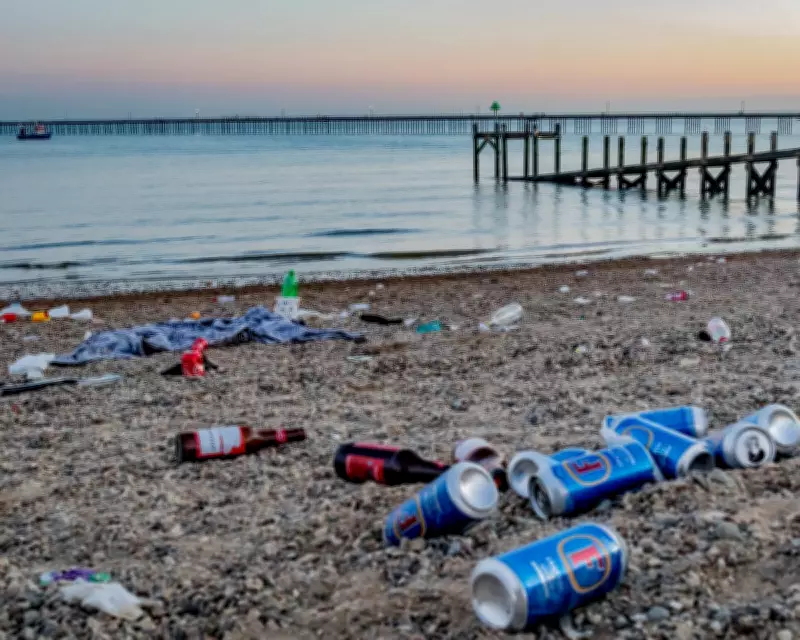
Exclusive data has revealed a shocking collapse in littering enforcement across the United Kingdom, with more than seventy local authorities failing to issue a single fine for littering offences throughout the entire previous year. The findings, uncovered by the campaign group Clean Up Britain through Freedom of Information requests, paint a picture of widespread neglect that campaigners describe as creating "eco-anarchy" where individuals can drop rubbish with complete impunity.
Widespread Enforcement Failure
According to the comprehensive data analysis, at least seventy-one councils across England, Scotland, Wales, and Northern Ireland issued zero fixed penalty notices for littering during the last recorded period. A further sixty-seven councils managed to issue fewer than ten fines each, indicating minimal enforcement activity across vast swathes of the country. This stands in stark contrast to parking enforcement, where councils collectively issued fines totalling £867 million from approximately 300 responding authorities.
John Read, founder of Clean Up Britain, stated emphatically: "In large swathes of the country, there is eco-anarchy. Anyone can litter with complete impunity and no fear of being caught and convicted." Read argues that properly enforcing littering fines would not only help combat the growing rubbish problem but could provide valuable revenue for financially strained local authorities.

The Scale of the Problem
The research highlights that littering fines across the UK amounted to less than £48 million last year from approximately 200,000 fixed penalty notices. Only seventy-seven councils out of 301 that responded to the information requests issued more than 100 fines for littering in 2024-25, with the average fine levied standing at £192. Interestingly, Labour-controlled councils issued seventy-seven percent of all fines, with the ten councils issuing the most fines all under Labour control.
Keep Britain Tidy, another campaigning organisation, found in their own research that only nine out of one hundred places visited in England were completely free from litter, underscoring the severity of the national problem. "The only sustainable and effective solution to Britain's litter epidemic is behavioural change," Read emphasised. "Many people will only change their behaviour if they have a genuine fear of being caught and severely punished."
Councils With No Fining Policy
The data reveals eighteen councils that have no formal policy for fining litterers whatsoever, including:
- Chichester
- Exeter
- Falkirk
- Isle of Anglesey
- London Borough of Southwark
- Mid Sussex
- Midlothian
- Orkney Islands
- Scottish Borders
- Southampton
- Southend-on-Sea
- St Albans
- Stratford-on-Avon
- Warwick
- West Berkshire
- Winchester
- Wirral
- Wokingham
Fly-Tipping Crisis Compounds Problems
The enforcement crisis extends beyond simple littering to the more serious offence of fly-tipping, which involves dumping rubbish on private or public land. Government data released recently showed fly-tipping at record highs, with 1.26 million incidents recorded in 2024-25 costing English councils over £19.3 million annually to clear up.
Clean Up Britain's research reveals that although 77,000 people were caught fly-tipping by responding councils last year, only 26,000 fixed penalty notices were issued, and of these, approximately half went unpaid. This resulted in councils collecting only about £8.5 million, with around £9.3 million in potential revenue lost. About thirty councils failed to issue any fines for fly-tipping offences at all.
Perhaps most concerning is the sentencing disparity uncovered by the Local Government Association. Their analysis shows that the average court fine for fly-tipping is £539, which is £87 lower than the £626 average fixed penalty notice councils can issue directly for the same offence. This creates a perverse incentive where offenders prosecuted through courts receive lighter penalties than those dealt with administratively.
Case Studies Highlight Systemic Issues
The LGA uncovered several troubling cases that illustrate the systemic problems with current enforcement:

- In York, two offenders were each fined just £300 by magistrates for waste offences, despite having been issued with fixed penalty notices of £600 and £1,000 originally.
- In Wiltshire, a fly-tipper who failed to pay a £1,000 fixed penalty notice received only an £80 fine when the case reached court.
- In Chelmsford, two offenders were each fined £300 after prosecution for fly-tipping, lower than the £400 fixed penalty notices they had initially received.
Arooj Shah, a Labour councillor in Oldham and chair of the LGA neighbourhoods committee, stated: "Fly-tipping is criminal activity that blights communities and costs taxpayers millions of pounds every year. Councils are working hard to investigate and prosecute offenders, but when court fines are lower than fixed penalties, it undermines enforcement and fails to act as a deterrent."
Government Response and Proposed Solutions
A spokesperson for the Department for Environment, Food and Rural Affairs responded: "We are giving authorities the tools they need to fight back against waste crime. Digital waste tracking will close the loopholes criminals exploit, drones are catching offenders in the act, and councils have the power to crush their vans – making it more and more difficult for criminals to hide. Our new statutory guidance will also help local authorities make better use of their legal powers to tackle littering, including issuing on-the-spot fines of up to £500."
The government is also planning to grant local environment officers powers similar to police authorities to crack down on waste criminals more effectively. Meanwhile, Clean Up Britain is lobbying for littering fines to be increased from £500 to £1,000 to create a more meaningful deterrent. "Littering is a crime that degrades our environment and the whole of society is forced to endure," Read concluded, emphasising the need for stronger enforcement and higher penalties to address what has become a national environmental crisis.





