US Air Force Implements Ban on Smart Glasses for Security Reasons
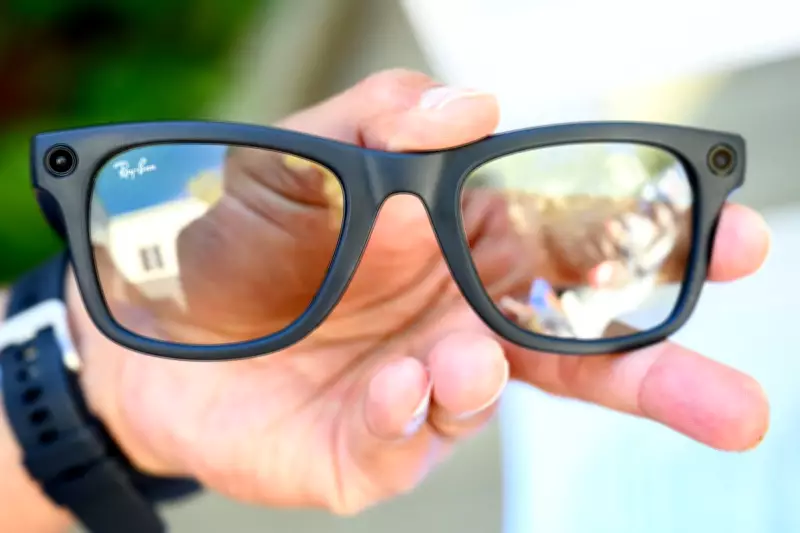
The United States Air Force has officially prohibited all personnel from wearing smart glasses while in uniform, according to updated regulations announced last month. This decisive move comes as devices like Meta's AI-powered sunglasses gain popularity, presenting new challenges for military security protocols.
Operational Security Concerns Drive Policy Change
The new regulations explicitly state that "it is unauthorized to wear mirrored lenses or smart glasses with photo, video or artificial intelligence capabilities while in uniform." Air Force officials confirmed to military news site Task and Purpose that these changes directly address "operational security" concerns that have emerged with advancing wearable technology.
Dana Thayer, Information Protection Chief for the 104th Fighter Wing, emphasized the necessity of evolving security measures in response to technological progress. "We already ban most personal electronic devices from secure areas," Thayer wrote in a recent article. "However, as technology progresses, so should our security policies."

Thayer elaborated on specific risks associated with smart glasses, noting that "while Meta AI glasses may be suitable for civilian use, their recording capabilities, cloud dependence, and potential for unintended data exposure make them inappropriate for military installations." He concluded that "protecting mission integrity and national security requires clear boundaries—and wearable AI devices cross them."
Varied Approaches Across Military Branches
While the Air Force has implemented a comprehensive ban, other service branches maintain different policies regarding smart glasses and similar devices. According to Task and Purpose reports, the Navy prohibits Bluetooth headsets and other hands-free devices in uniform without special authorization, while the Marine Corps and Army delegate such decisions to lower-level commanders.
Interestingly, the military has previously experimented with Meta glasses for practical applications, including infantry vehicle repairs and ordnance training. This demonstrates the technology's potential utility while highlighting the security concerns that have prompted the Air Force's stricter approach.
Broader Government Use and Civil Liberties Concerns
Smart glasses have appeared in other government security contexts beyond the military. Homeland Security agents have been documented wearing the devices across the country, sometimes recording members of the public. This occurs despite DHS lacking a formal contract with Meta for the glasses and having policies that bar the use of personal recording devices.
Civil liberties advocates have raised alarms about this phenomenon, questioning the implications for privacy and surveillance. The increasing presence of recording-capable wearable technology in government operations presents complex questions about balancing security needs with individual rights.
Military Appearance Standards Under Scrutiny
The smart glasses ban coincides with broader efforts to reshape military appearance standards under the current administration. During a September speech to military leaders, Secretary of Defense Pete Hegseth criticized what he called "fat troops" and generals, announcing new requirements for officers to pass yearly physical tests.
Hegseth also declared that the military would no longer permit "beards, long hair, [and] superficial individual expression," stating that "we don't have a military full of Nordic pagans." These comments reflect a push toward more standardized military appearance that extends beyond technology restrictions to encompass broader grooming and fitness standards.
The Air Force's smart glasses prohibition represents a significant response to emerging technological threats, establishing clear boundaries for wearable AI devices in sensitive military environments. As technology continues to advance, military branches must balance potential operational benefits against critical security considerations, with the Air Force taking a particularly cautious approach to this evolving challenge.